

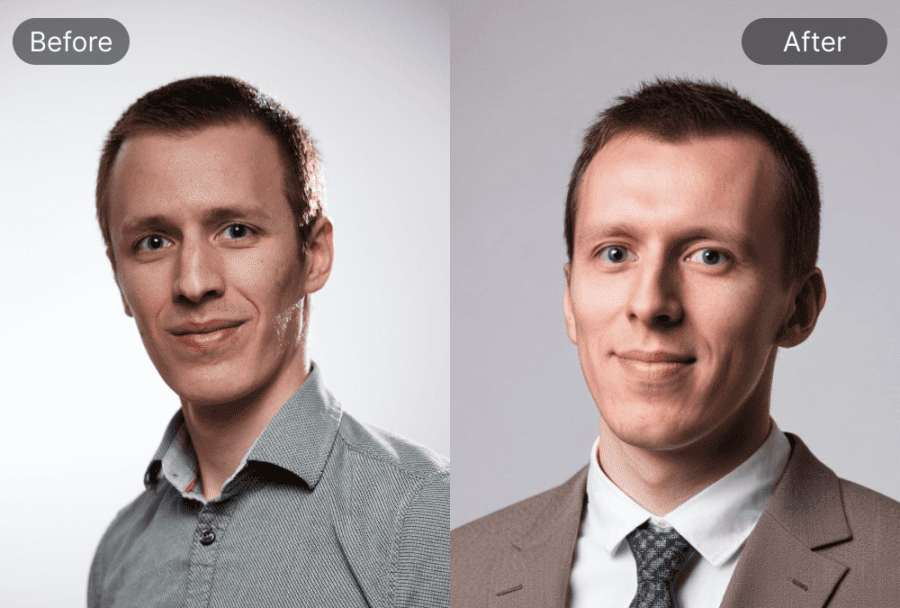
The growing use of AI photo software is causing a drastic change in the photographic industry. Anyone with a smartphone and an internet connection can now create beautiful, professional-looking photographs; it’s no longer just the territory of experts with costly equipment and years of training. Powerful AI algorithms are driving this democratisation of picture creation by enhancing, retouching, and even totally reimagining selfies and casual photographs to a degree that was previously impossible without requiring a major investment of time, money, and effort.
It is easy to see why AI photo software is appealing. There is a lot of pressure to project a polished online image in a world that is becoming more and more fixated on visual culture. Professional networking sites, dating applications, and social media platforms all require high-quality photos. With only a few touches, users may turn regular selfies into intriguing portraits thanks to AI photo tools, which provide a quick and simple solution. While keeping a realistic, natural appearance, the program can improve eyes, whiten teeth, smooth skin, and even modify facial features. The increasing use of AI photo technology is largely due to its ability to discreetly enhance features without being unduly altered.
AI photo software provides a multitude of creative options beyond basic retouching. Beautiful landscapes or creative textures might be used in place of backgrounds. Lighting can be changed to produce a soft, dreamy glow or a powerful atmosphere. It is even possible to alter the image’s general style to imitate the aesthetics of well-known photographers or artistic movements. Because of its adaptability, AI photo editing appeals to both novice users and ambitious artists. Users may explore their artistic vision and create a distinctive visual identity by experimenting with various styles and effects without needing much technical skills.
This trend is mostly driven by the growing complexity of AI photo algorithms. Results from early AI photo editing versions frequently appeared over-processed or unnatural. However, the quality and realism of AI-generated upgrades have dramatically improved as a result of recent advances in machine learning. More accurate and realistic-looking alterations are now possible because to the software’s ability to automatically analyse photos, recognising hair, facial characteristics, and even minute changes in lighting. The distance between amateur photos and professional photography has been closed by this enhanced realism, making AI photo editing a practical choice for a larger group of users.
Another important element influencing AI photo software’s appeal is its accessibility. Users can enjoy the advantages of AI photo enhancement without making a financial commitment thanks to the free basic versions of many apps and web sites. Because of the low entrance barrier, anyone with a smartphone can now use advanced editing tools and manipulate images at a professional level. The appeal of AI photo software is further increased by the fact that even its premium versions are frequently far less expensive than conventional photo editing software.
AI photo technology has an impact that goes beyond individual use. AI photo solutions are being used more and more by entrepreneurs and small enterprises to produce superior product photographs and marketing collateral. Especially in cutthroat online marketplaces, the ability to rapidly and simply update product images can greatly increase their online presence and increase sales. Small businesses may now compete with larger organisations on an even playing field thanks to the use of AI photo technology, which eliminates the need for costly professional photographic services.
But there are also significant ethical questions raised by the development of AI photo technology. The legitimacy of online content is called into question by how easily photos may be altered. One major issue that must be addressed is the possibility of abuse, such as producing deepfakes or disseminating false information. Additionally, the pervasive use of AI photo augmentation might reinforce unattainable beauty standards, which can exacerbate problems with body image and foster an online perfectionist culture. As AI photo technology advances, these are complicated concerns that need serious thought and constant discussion.
The use of AI photo software is growing in popularity despite these reservations. The distinction between amateur and professional photography will continue to grow more hazy as AI algorithms advance and become more widely available. The capacity to turn ordinary selfies into gorgeous, high-quality photos has empowered both people and companies, revolutionising how we take, edit, and distribute our visual narratives. The advent of the AI photo revolution is transforming photography as we know it. More sophisticated features and capabilities are anticipated in AI photo editing in the future, which will further democratise access to potent image alteration tools and keep changing the visual environment of our digital world. There is no denying the simplicity and accessibility of AI photo tools, and we are only now starting to comprehend how they affect our perception and interaction with photographs. There is no denying the simplicity and accessibility of AI photo tools, and we are only now starting to comprehend how they affect our perception and interaction with photographs.
AI photo editing is expected to develop even more sophisticated features and capabilities in the future. As AI algorithms get better at simulating the subtleties of professional photography, we can anticipate additional developments in realism. More control over individual components inside an image will be possible thanks to enhanced object detection and manipulation, which will let users add or remove items, modify backgrounds, and even precisely alter expressions. Imagine being able to quickly turn a selfie taken during the day into a glitzy nighttime image with a glittering metropolis in the background. As AI photo technology continues to progress, this degree of creative power is quickly becoming a reality.
Additionally, it is anticipated that the incorporation of AI photo editing into other platforms and devices would increase. We should expect smooth social media platform integration, enabling users to edit their images in the app before sharing. Real-time photo enhancement during video chats will be made possible via integration with messaging apps, further obfuscating the distinction between augmented reality and reality. AI photo technology has the ability to revolutionise our digital interactions, and the possibilities are endless.
However, the requirement for responsible development and use grows along with the capabilities of AI photo software. It is essential to inform consumers about the moral ramifications of picture alteration. Fighting false information and guaranteeing the legitimacy of online content will need the development of tools and methods to identify changes caused by artificial intelligence. Navigating the complicated ethical landscape and making sure that these potent tools are utilised for good depend on the continuous discussion surrounding the correct use of AI photo technology.
In the end, the emergence of AI photo software signifies a significant change in how we produce and view images. It has changed the visual language of our digital world, enabled people to express their creativity, and democratised access to high-quality editing tools. The overwhelming appeal and revolutionary potential of AI photo technology herald a new era in photography, where the only restrictions are our imaginations, even though ethical issues still exist. The future of visual communication will surely be shaped by the continual development and improvement of AI photo tools, and it will be intriguing to see how this fascinating and quickly evolving field continues to evolve.