
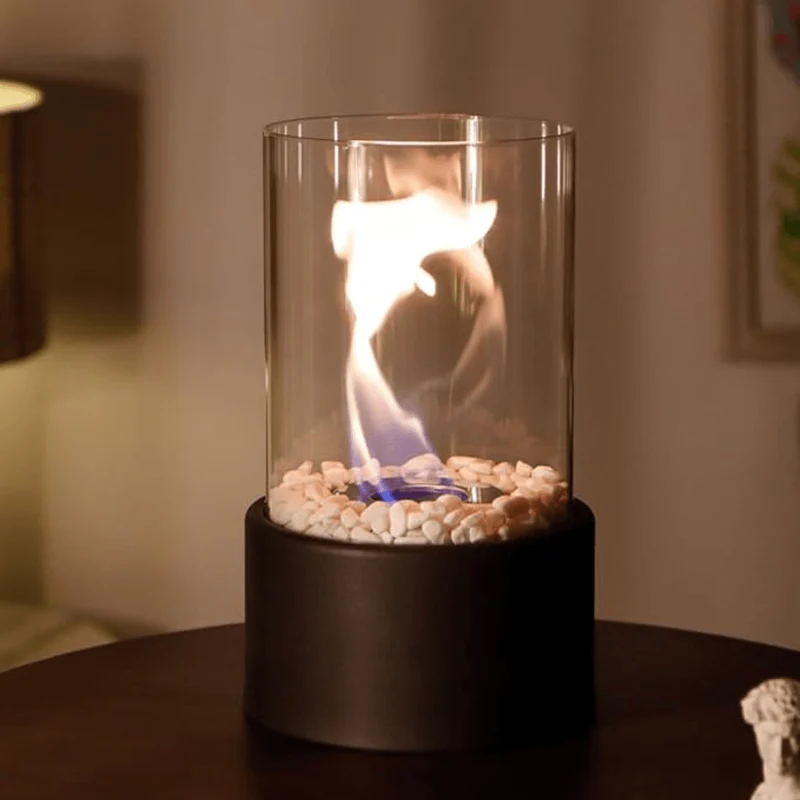
The allure of a tabletop ethanol fireplace has grown immensely over recent years, as more people seek to combine aesthetic appeal with functionality and ease of use. These compact and versatile heating elements can instantly elevate the ambience of a room, whether placed on a coffee table, dining table, or even an outdoor patio surface. Before purchasing a tabletop ethanol fireplace, however, it is essential to consider several important factors to ensure that it not only complements your decor but also meets your safety, efficiency, and maintenance needs.
At first glance, the primary attraction of a tabletop ethanol fireplace is its modern, sleek design. Available in a variety of shapes, sizes, and finishes, these fireplaces can easily blend into almost any interior or exterior setting. Whether your taste leans towards minimalism, industrial chic, or rustic charm, there is likely a model that resonates with your personal style. While the visual element is undeniably important, prospective buyers must remember that aesthetics should never compromise safety and functionality.
The size of the tabletop ethanol fireplace plays a crucial role in determining its suitability for a given space. Compact models are ideal for smaller surfaces such as side tables or office desks, providing a subtle, intimate flame that contributes to a cosy atmosphere. Larger models, on the other hand, may serve as a striking centrepiece on a dining table or outdoor patio, creating a focal point that invites conversation and relaxation. When considering size, it is vital to measure the intended placement area carefully. Sufficient clearance around the unit is necessary to prevent accidental contact with flammable objects such as curtains, papers, or decorations.
Material construction is another significant aspect that warrants careful attention. The best tabletop ethanol fireplace models are constructed using high-quality, durable materials that can withstand heat exposure without degrading over time. Stainless steel is a popular choice due to its corrosion resistance, strength, and modern appearance. Tempered glass panels often accompany the main structure, serving both an aesthetic function and an important safety barrier that helps shield the flame while allowing unobstructed views of the dancing fire. When evaluating materials, it is important to verify their heat resistance and structural integrity to ensure long-term durability.
Fuel type and storage must also be part of the consideration process. Ethanol fuel, derived from renewable sources such as corn or sugarcane, burns cleanly, producing no smoke, soot, or ash. This makes a tabletop ethanol fireplace an attractive option for indoor use where ventilation might be limited. However, not all ethanol fuels are created equal. Higher purity ethanol ensures a cleaner burn and minimises odours, so it is advisable to source high-quality fuel that is specifically designed for ethanol fireplaces. Safe storage of ethanol fuel is equally critical, as it is a highly flammable liquid. It should be kept in a cool, well-ventilated area away from direct sunlight and out of reach of children and pets.
Burn time and heat output are practical factors that influence user satisfaction. Different models offer varying burn durations, often depending on the size of the fuel reservoir. A longer burn time reduces the need for frequent refuelling, allowing users to enjoy extended periods of warmth and ambience. Heat output should also align with the intended purpose of the fireplace. While most tabletop ethanol fireplaces are not designed to serve as primary heat sources, they can contribute a meaningful amount of warmth to a small area. Understanding the heat capacity of a given model ensures that expectations are met without disappointment.
Safety features cannot be overemphasised when selecting a tabletop ethanol fireplace. Despite their relatively small size, these units involve open flames and flammable liquids, making built-in safety mechanisms essential. Look for models equipped with flame extinguishers or snuffers that allow for safe and quick extinguishing of the flame. Some designs incorporate automatic shut-off features or spill-proof fuel reservoirs to reduce the risk of accidents during operation or refuelling. The stability of the unit is equally important; a low centre of gravity and solid base reduce the likelihood of tipping, especially if the fireplace is placed in high-traffic areas or households with pets and children.
Ease of use and maintenance contribute significantly to the overall ownership experience. A good tabletop ethanol fireplace should be straightforward to assemble and operate, requiring minimal technical knowledge. Clear instructions for fuel filling, lighting, and extinguishing are vital to ensure safe and enjoyable use. Maintenance should involve simple cleaning procedures, such as wiping down surfaces to remove fingerprints or smudges and periodically inspecting the fuel reservoir and burners for wear or residue build-up. The absence of ash, soot, and smoke greatly simplifies upkeep compared to traditional wood-burning fireplaces.
Portability is one of the standout benefits of owning a tabletop ethanol fireplace. Unlike built-in fireplaces, these units can be moved easily from one location to another, providing flexibility in how and where they are used. This portability allows homeowners to enjoy the warmth and visual appeal of the flame in different rooms or even outdoors, depending on the weather and occasion. However, care should always be taken to ensure the unit is completely cool and empty of fuel before relocating.
Another important consideration is ventilation and air quality. While ethanol fireplaces produce fewer emissions than traditional combustion fireplaces, they still consume oxygen and release small amounts of carbon dioxide and water vapour into the air. For this reason, the room in which the tabletop ethanol fireplace is used should be well-ventilated to maintain healthy indoor air quality. Extended use in a confined, poorly ventilated space may lead to discomfort or headaches, so occasional airing of the room is recommended.
Noise level is often overlooked but can affect the ambience created by a tabletop ethanol fireplace. Some models emit a faint crackling sound that mimics the experience of a wood-burning fire, while others operate almost silently. The presence or absence of such sounds can influence personal preference and the overall atmosphere, whether one is seeking a lively, rustic effect or a serene, tranquil environment.
Environmental impact may also play a role in the decision-making process. As ethanol is derived from renewable resources, it represents a more sustainable option compared to fossil fuel-based heating solutions. Nevertheless, responsible sourcing of both the fireplace and the fuel contributes to a more positive environmental footprint. Buyers who are environmentally conscious may wish to inquire about the origins of the materials used in the construction of the fireplace, as well as the production methods of the ethanol fuel.
Cost is inevitably part of the equation when purchasing a tabletop ethanol fireplace. Prices vary widely depending on brand reputation, material quality, size, and included features. While it might be tempting to opt for the most affordable option available, investing in a higher-quality model often pays dividends in terms of safety, longevity, and overall enjoyment. A well-constructed tabletop ethanol fireplace made from premium materials with robust safety features is a long-term investment that delivers years of satisfaction.
In addition to the purchase price, ongoing costs should be taken into account. Ethanol fuel can become a recurring expense, especially for frequent users. Calculating the average fuel consumption and burn time helps provide a clearer picture of the operational cost over time. Buyers should also consider whether replacement parts, such as burner inserts or protective glass panels, are readily available should the need arise.
Aesthetic customisation is another appealing facet of owning a tabletop ethanol fireplace. Many models allow for personalisation through interchangeable decorative elements such as coloured stones, ceramic logs, or reflective surfaces that enhance the visual impact of the flame. These options enable owners to tailor the fireplace to their evolving tastes or to match seasonal décor, adding another layer of enjoyment to the ownership experience.
The decision to purchase a tabletop ethanol fireplace should also be informed by the manufacturer’s warranty and customer support. A comprehensive warranty indicates confidence in the product’s quality and provides peace of mind in case of manufacturing defects or issues that may arise after purchase. Reliable customer support can be invaluable, offering assistance with assembly, troubleshooting, and maintenance advice.
In conclusion, buying a tabletop ethanol fireplace is a decision that involves balancing aesthetic desires with practical considerations of safety, functionality, and cost. The wide variety of models available offers something for nearly every taste and setting, but due diligence is essential to ensure a satisfying and safe ownership experience. By carefully evaluating factors such as size, materials, fuel type, safety features, ease of use, and long-term costs, prospective buyers can make an informed choice that brings warmth, beauty, and ambience to their living spaces for years to come.