

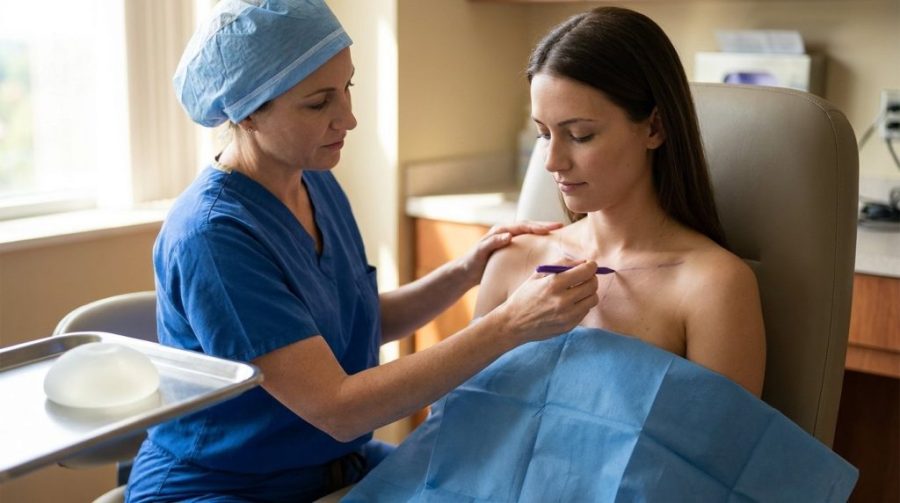
Breast augmentation remains one of the most popular cosmetic surgical procedures in the UK, offering individuals the opportunity to enhance their natural contours with confidence and precision. Whether motivated by personal preference, body symmetry or post-pregnancy changes, this procedure can provide lasting results when approached with careful planning and professional guidance. For those exploring options in Cairo, specialist clinics such as breast augmentation services offer tailored consultations that align with individual health needs and aesthetic goals.
While the decision to undergo تكبير الثدي بالسيليكون is deeply personal, it is also a medical one that benefits from expert insight and thorough preparation. Understanding the procedure’s scope, recovery expectations and long-term implications can help prospective patients feel more assured as they move forward. A well-informed choice begins with recognising the factors that influence both the surgical experience and the final outcome.
Understanding the Procedure: Beyond the Basics
Breast augmentation typically involves the placement of implants or fat transfer to increase breast volume, improve shape or restore symmetry. Implants come in various types—silicone, saline or cohesive gel—each with distinct advantages depending on factors such as skin elasticity, body frame and lifestyle. The surgical technique, incision placement and implant positioning are carefully selected to complement the patient’s anatomy and desired results.
For those considering reconstruction following mastectomy or addressing asymmetry from congenital conditions, augmentation can play a transformative role in both physical and emotional recovery. Surgeons with specialist training in oncoplastic techniques often combine augmentation with reconstructive methods to achieve natural-looking outcomes that prioritise both aesthetics and functionality.
Implant Types and Material Choices
The choice between silicone and saline implants often comes down to personal preference and medical advice. Silicone implants tend to offer a more natural feel and are favoured for their cohesive gel structure, which maintains shape over time. Saline implants, while adjustable in size during surgery, may feel firmer and are sometimes preferred for their safety profile in the unlikely event of rupture. Cohesive gel implants, often referred to as “gummy bear” implants, provide stability and a natural drape, making them a popular option for many patients.
Beyond material, implant shape—round or anatomical—also influences the final appearance. Round implants tend to provide fullness in the upper pole of the breast, while anatomical implants mimic the natural slope for a subtler enhancement. Discussing these options with a consultant surgeon ensures the selection aligns with both visual goals and anatomical suitability.
Personalised Consultation: the Foundation of a Successful Outcome
A thorough pre-operative consultation is essential for tailoring breast augmentation to individual needs. During this session, the surgeon evaluates breast tissue, skin quality and chest wall structure to determine the most suitable implant size, type and placement. Digital imaging may be used to simulate potential results, helping patients visualise the impact before committing to surgery.
Medical history, including previous surgeries, allergies and lifestyle factors such as smoking or exercise routines, is also reviewed to minimise risks and optimise healing. Patients are encouraged to ask questions about recovery timelines, scarring expectations and post-operative care, ensuring they enter the procedure with realistic expectations and full confidence in their chosen provider.
Recovery and Aftercare: Setting Realistic Expectations
Recovery from breast augmentation varies by individual, but most patients can expect initial discomfort, swelling and bruising for the first week, with gradual improvement over several weeks. Wearing a supportive post-surgical bra is typically recommended to maintain implant position and reduce strain on healing tissues. Light activities may resume within a few days, though strenuous exercise and heavy lifting should be avoided for at least four to six weeks.
Follow-up appointments are crucial for monitoring healing progress and addressing any concerns. Surgeons often schedule these visits to assess implant placement, check for symmetry and ensure the patient’s comfort throughout the recovery journey. Clear communication during this phase helps identify and manage any early complications, such as capsular contracture or implant displacement, before they become more serious.
The Role of Specialist Expertise in Long-Term Satisfaction
Choosing a surgeon with specialist training in breast augmentation—particularly those experienced in oncoplastic and reconstructive techniques—can significantly enhance the likelihood of a satisfactory outcome. Specialist consultants bring a depth of knowledge in tissue handling, implant placement and aesthetic refinement, which is especially valuable for complex cases or patients with specific medical backgrounds.
Continuity of care, from initial consultation through post-operative recovery, allows patients to build trust with their surgical team and feel supported at every stage. This approach not only fosters confidence but also ensures that any adjustments or revisions are handled with the same level of expertise as the primary procedure.
Lifestyle Considerations: Preparing for the Journey Ahead
Preparing for breast augmentation involves more than just scheduling the surgery; it requires thoughtful planning around work, family commitments and personal responsibilities. Patients are often advised to arrange time off for recovery, secure reliable transportation post-operation and organise support at home during the initial healing period. Mental preparation is equally important, as managing expectations and maintaining a positive outlook can influence both the surgical experience and the final result.
Post-surgery, many individuals find that their newfound confidence extends beyond physical appearance, influencing social interactions and self-perception. Whether the goal is subtle enhancement or a more pronounced change, the procedure can serve as a catalyst for renewed self-assurance when approached with clarity and professional guidance.
Making an Informed Decision: Questions to Ask Your Surgeon
Before proceeding with breast augmentation, it’s helpful to prepare a list of questions for your consultant. Inquire about their experience with specific implant types, the expected longevity of results and the likelihood of revision surgery in the future. Understanding the surgeon’s approach to incision placement, scar management and post-operative care can also provide reassurance about the quality of treatment.
Patients may also want to discuss financing options, as many clinics offer flexible payment plans to accommodate different budgets. Transparent pricing, as seen in specialist practices, allows individuals to plan their procedure with confidence, knowing the full scope of costs upfront.
Beyond the Procedure: Embracing Confidence with Care
Breast augmentation is more than a cosmetic change; it is an opportunity to align physical appearance with personal goals, whether for aesthetic enhancement or reconstructive needs. The key to a successful experience lies in choosing a provider who combines technical skill with a patient-centred approach, ensuring that each individual feels heard, respected and supported throughout their journey.
For those exploring options in Cairo, specialist clinics offer a blend of expertise and personalised care that can make all the difference. By prioritising thorough consultation, realistic expectations and expert aftercare, patients can look forward to results that not only meet but exceed their vision.