

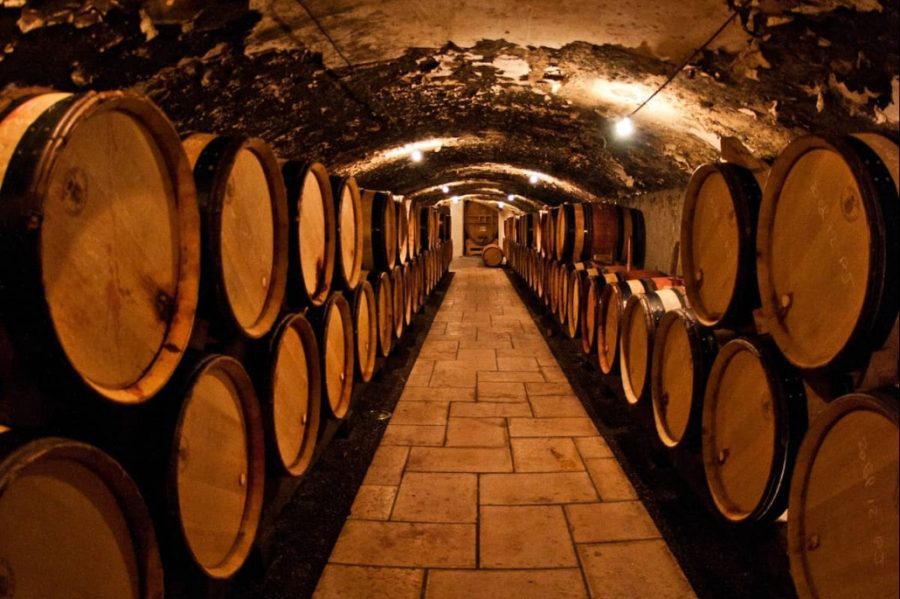
The investing in whisky casks is a fascinating new asset class that brings together the love of good spirits with the possibility of financial gain. Cask whisky provides a tangible asset with distinctive qualities, which investors are increasingly looking for as a means of diversification outside conventional markets. This essay delves into the expectations of potential investors in whisky cask ownership, covering everything from the basics to navigating the complexities of this niche sector.
Mastering the Fundamentals of Whisky Cask Investment
You can invest in whisky while it’s still in the maturation process by buying it in bonded warehouses while it’s still in oak casks. Cask whisky, in contrast to finished whisky in a bottle, develops further and, in most cases, gains value with age. Until the investor chooses to bottle it or sell the cask, the whisky is kept in a government-bonded facility under tight circumstances.
The attractiveness of this investment comes from its basic qualities. There is a rising demand for older whiskies, in particular, and the supply is limited. Since the angels’ share (evaporation) reduces volume while concentrating flavours, creating a natural supply limitation that can promote appreciation, whisky grows more complex and valuable as it ages. Click here to find your perfect cask investment.
Entrance Criteria and Preliminary Questions
Investing in cask whisky is now much easier than it was a few years ago. Private investors can now buy casks, which were once only available to those with deep pockets in the sector. Young spirit starts at around £2,000, while luxury casks from renowned distilleries can fetch far higher sums.
Potential new investors should budget for a number of extra expenses. Some examples of these expenses are insurance, warehouse rent (usually between £50 and £100 per year), and, in the long run, the cost of bottling or transfer fees when selling to another party. The total investment amount needs to account for these small but consistent costs.
A certificate of ownership and information on the whisky’s storage location are essential pieces of paperwork that should accompany any legal investment in a cask. Honourable middlemen will take care of these necessities and provide you straight talk about the legitimacy and origin of your investment.
Anticipated Stages of Maturation and Their Timelines
One of the most crucial traits for a whisky barrel investor to have is patience. Whisky casks, in contrast to more liquid investments, usually need at least three to five years to mature before they show substantial appreciation, and many investors hold for ten to fifteen years to get the most out of their money.
During this time, the whisky changes in a most extraordinary way. Whisky gets its unique flavour, colour, and character from the cask as a result of the intricate chemical processes that occur when spirit and wood interact. The transformation of raw spirit into a luxury product that commands higher pricing is achieved through this maturation process, which adds value.
Be advised that not all whiskies have an infinite potential for improvement. After the ideal amount of time for maturity has passed in each barrel, the quality may level out or even go down. In order to time departure strategies correctly, it is crucial to understand this maturation curve.
Evaluating Performance and Overcoming Valuation Obstacles
Accurate valuation is a tough part of investing in cask whisky. While the value of stocks and bonds is updated daily, the value of casks is decided by a number of factors, such as:
Spiritual era
Reputation and output capacity of distilleries
Sort of cask and its state
Current state of the market
What remains (after deducting the portion paid to the angels)
level of alcohol by volume
Brokers or specialists can help you arrange for professional valuations, but they usually charge a fee. There is a wide range of approaches in the investment platform sector, but some of them provide frequent valuation updates.
Annual returns can range from 5-20% according to historical performance data, however this fluctuates greatly depending on the particular whisky, purchase price, and market conditions. Keep in mind that you can’t put your faith in a market that has grown more complex as more players have joined it, and that results from the past don’t necessarily portend future success.
Strategies for Getting Out and Making Money
Converting an investment into cash or realising its value is the ultimate test of an investment. Several exit strategies are usually available to investors in cask whisky:
The quickest and easiest option is to sell the barrel to another investor. Cask sales specialists or auction platforms can help make this deal a reality. There is now more liquidity for this asset class because to the significant growth of the secondary market for casks.
Putting the whisky in bottles is another way out. If you have the right knowledge or partners, this strategy can maximise your profits, but it does involve more expenditure in bottling, branding, and maybe distribution. A small percentage of investors choose to bottle only a portion of their investment, keeping the rest for themselves.
The practice of exchanging or trading casks with other investors or collectors is on the rise. This method permits a diversified portfolio to be maintained without necessitating complete liquidation or inducing tax events.
Factors Influencing Risk and Market Analysis
Anyone thinking about investing in cask whisky should do their research first. Changing consumer tastes can have an impact on the market, which is still somewhat narrow despite its growth. Whisky may lose some of its present allure, which could have an impact on prices.
Performance is not assured because to quality fluctuation among casks, even within the same distillery and production batch. The development of outstanding qualities in some barrels may cause them to fetch premium pricing, while the yield in others may be only average.
Changes to regulations, especially those pertaining to taxes and alcohol duty, may have an effect on profits. Whisky in bonded warehouses currently enjoys duty and VAT deferment, but if these rules are changed, it could impact the economics of investment.
Intermediaries who hold casks on behalf of investors pose a counterparty risk. To lessen the impact of this risk, it is crucial to thoroughly investigate storage facilities and investment partners.
Beyond the Tangible Advantages
Beyond the monetary benefits, there are other, more distinctive benefits to owning a cask than with more traditional forms of investing. The centuries-old distillation history is embodied in every cask, creating a direct link to craftsmanship and heritage.
A lot of people who put money into whisky do it so they can see how it’s getting better over time and have a better understanding of the spirit. Whisky can be enjoyed by more people after this educational tour.
Beyond the monetary aspect, for others, there is a personal dimension to the prospect of one day bottling one’s own whisky, maybe with bespoke branding or for special events.
In summary,
One intriguing alternative asset that combines the joy of owning a piece of whisky history with the possibility of financial gains is investing in cask whisky. Medium- to long-term holding periods, an awareness of the market’s specialised character, and familiarity with the ongoing costs and concerns should be the primary expectations of new investors.
Cask whisky has the potential to be an intriguing addition to a diverse investment portfolio with the right amount of research, diligence, and reasonable expectations. As the market becomes more accessible and professionalised, it opens up new possibilities for astute investors.
Whisky casks are an unusual investment opportunity because they provide both a logical financial argument and an emotional connection–the possibility of enjoying a drink from your investment at a later date.