

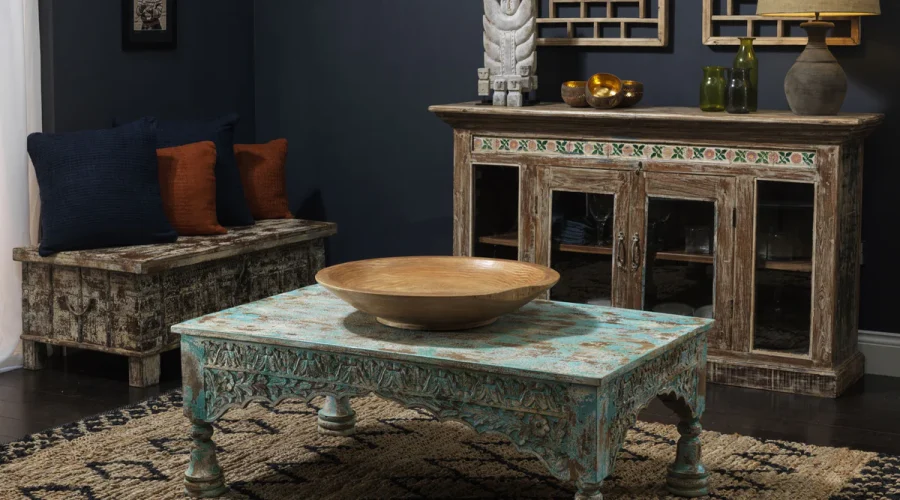
Over the past few years, vintage furniture has experienced a remarkable surge in prominence, appealing to both homeowners and enthusiasts. This revival is the result of a combination of factors, including nostalgia, sustainability, craftsmanship, and distinctive aesthetics. The landscape of home decor has been transformed by the desire for unique pieces, and the term vintage furniture has become synonymous with timeless allure.
The fascination with vintage furniture frequently originates from a profound respect for the art of craftsmanship. Vintage furniture frequently exhibits exceptional artistry, in contrast to many contemporary items that are mass-produced. The marks of expert artisans who invested time and effort into the creation of these items, which are frequently constructed from high-quality materials, are evident. Unique joinery techniques, intricate engravings, and hand-finished surfaces are all indicative of a dedication to quality that is highly sought after today. The attention to detail is frequently unparalleled.
Additionally, vintage furniture imparts a sense of character and history to contemporary environments. Each vintage item has a unique narrative; each imperfection, stain, and blemish contributes to its authenticity and allure. In an era in which many individuals strive to create personal spaces that are indicative of their uniqueness, vintage items are a genuine manifestation of character and taste, frequently serving as conversation starters in homes. The living environment is enhanced by the integration of the past with contemporary aesthetics, as each item evokes memories of a bygone era.
The prevalence of vintage furniture is also significantly influenced by sustainability. Consumers are becoming increasingly mindful of their purchasing decisions as environmental awareness increases. Vintage furniture provides a sustainable alternative to contemporary mass production, thereby substantially reducing the waste generated by the production of new items. Individuals contribute to a circular economy by selecting vintage products, which are repurposed rather than discarded. This method not only reduces the environmental impact but also upholds the immutable principle of revitalising antique treasures.
In addition to environmental concerns, there is an undeniable financial benefit to selecting vintage furniture. Especially for high-quality items, contemporary furniture can be quite expensive. Conversely, vintage furniture can offer exceptional value, enabling householders to acquire distinctive and fashionable items without incurring significant expenses. Flea markets and estate sales are frequent sources of unexpected discounts in the vintage marketplace, which makes quality accessible to a wide range of individuals.
The aesthetic allure of vintage furniture is immeasurable. A variety of design possibilities are available, including mid-century modern minimalism and ornate Victorian elegance, as a result of the styles of various decades. Homeowners are able to create eclectic or harmonious settings by mixing and matching different eras, as each vintage style has its own visual language. This adaptability fosters creativity in interior design, allowing individuals to create spaces that are both inviting and indicative of their personal aesthetics.
The thrill of the hunt is a source of pleasure for many individuals when it comes to discovering vintage furniture. Antique stores, estate sales, and online marketplaces have evolved into venues for the discovery of distinctive items. This treasure-hunting experience fosters a sense of accomplishment and connection to the items selected to decorate a residence. Vintage items frequently offer a more curated decorating approach, enabling individuals to express a distinctive style that mass-produced replicas are unable to replicate.
Additionally, the prevalence of vintage furniture has been further bolstered by the influence of home design enthusiasts and the proliferation of social media. Inspiring countless individuals to seek out and repurpose antique pieces, platforms such as Instagram and Pinterest are awash with beautiful interiors featuring vintage discoveries. The rapid proliferation of trends is facilitated by the visual nature of these platforms, as users are encouraged to embrace the unique appeal of pre-owned furnishings by images of vintage-inspired designs.
It has become a statement of style to combine vintage furniture with contemporary design. Interior designers are increasingly incorporating vintage elements to infuse contemporary spaces with character. The environment is transformed by this fusion of the old and the new, which results in the formation of layers of profundity that are frequently lacking in a singular design approach. The combination often softens the sterility associated with new materials and finishes, bringing character to modern dwellings. Homeowners can create a welcoming environment that is both elegant and lived-in by incorporating vintage items.
Additionally, vintage furniture frequently incorporates sustainable materials, including metal and hardwood, which were extensively employed in previous decades. Many vintage pieces are more durable than their contemporary counterparts due to the durability of these materials, which is a result of the transition towards eco-friendly living. Therefore, by investing in vintage furniture, householders are not only selecting environmentally conscious options but also guaranteeing long-lasting quality.
However, it is imperative to approach vintage furniture with a critical evaluation. The quality and stability of each item that appears vintage may vary. The condition of a work should be evaluated in terms of its restoration potential and structural integrity. Although minor imperfections can add to the allure, substantial damage may jeopardise the longevity of the item. Routine maintenance and care are also essential for the preservation of the beauty and functionality of vintage objects.
In summary, vintage furniture occupies a unique position at the intersection of sustainability, nostalgia, and design. Its increasing popularity is not merely a temporary trend, but rather a reflection of the changing attitudes of consumers towards home decor. Individuals are simultaneously enriching their homes with history and distinct personal expression while embracing a sustainable lifestyle by favouring vintage pieces. The skill and artistry of past periods are frequently emphasised by the craftsmanship of vintage furniture, which is a significant attraction. These unique products provide an alternative that prioritises quality over quantity in a society that is characterised by mass production.
Additionally, the allure of vintage furniture is capable of transcending generations. The tales that each piece tells captivate both young homeowners and seasoned collectors. Regardless of whether it is a Victorian dresser that once adorned a family home or a mid-century modern chair that once adorned a designer’s studio, each item has a story to tell. This association with the past cultivates a profound sense of identity and belonging that is particularly poignant in the fast-paced, ephemeral culture of the present day.
The enduring appeal of vintage furniture serves as a gentle reminder of the beauty found in imperfection and history as we navigate the complexities of modern living. It also fosters creativity and individuality in home decor by seamlessly integrating with contemporary designs. The market is expected to expand as the pursuit of vintage treasures continues to flourish, providing enthusiasts with even more opportunities to discover durable and distinctive items that align with their personal style.
Vintage furniture is not merely an aesthetic preference; it represents a lifestyle that prioritises sustainability, craftsmanship, and a personal connection to history. The pursuit of the ideal vintage find is not solely about acquiring objects; it is also about creating a space that encapsulates a moment in time and tells a story. This trend’s continued growth underscores a significant change in our perspective on our living spaces, transforming them into personal sanctuaries that are infused with character and soul.
The prevalence of vintage furniture is ultimately indicative of a more profound yearning for connection—to the past, to quality, and to the importance of individual choice in a world that frequently emphasises uniformity. Our residences become a canvas where history meets modernity, eloquently expressing who we are and what we value, as more individuals embrace the timeless nature of vintage furniture.