
Few names in the realm of building materials and construction have become as popular recently as Knauf insulation. More builders, architects, and homeowners are looking to this highly regarded solution as the demand for energy efficiency, sustainable design, and high-performance materials keeps rising. Driven by its performance qualities, environmental credentials, and adaptation to new building criteria, Knauf insulation has become rather popular in many different fields.
Strong reputation for supplying thermal efficiency, acoustic comfort, and fire resistance—all vital elements of a well-built construction—knauf insulation has From new builds to retrofit projects, these features have made it a favourite choice in both residential and commercial uses. Effective insulation has never been more important as building rules and environmental standards place more pressure on the construction sector to achieve. Particularly Knauf insulation has been a preferred alternative for reaching these goals without sacrificing quality or simplicity of usage.
Knauf insulation’s thermal performance is a major factor behind its increasing appeal. High-performance insulation materials are absolutely essential in lowering heat loss and preserving constant indoor temperatures as energy efficiency takes front stage in property building. In areas with differing seasonal climates, where effective insulation directly affects energy consumption and cost savings, this is especially crucial. Strong thermal resistance offered by knauf insulation helps buildings stay cooler during hot seasons and keep warmth during colder months, therefore helping to greatly minimise carbon footprints and energy expenses.
Apart from temperature control, Knauf insulation is well known for its soundproofing qualities. In both urban settings and multi-occupancy buildings—where privacy and noise control add to the comfort and liveability of a space— acoustic insulation is becoming more and more crucial. Knauf insulation materials’ density and composition help to reduce sound transmission between flooring, ceilings and walls. This function is especially appreciated in hotels, colleges, office buildings and apartment complexes where user comfort depends on control of noise levels.
Knauf insulation’s contribution to fire safety is another element helping it to be widely adopted. Particularly with regard to fire resistance, construction materials have to follow exact safety guidelines. Products from Knauf Insulation help to limit the spread of fire, therefore giving residents precious time to flee and for emergency responders to act. Architects and builders trying to create structures either meeting or beyond safety regulations give great thought to this fire-resistant feature.
The popularity of Knauf insulation also stems from environmental sustainability in great measure. As knowledge of global issues including climate change, waste reduction, and ethical sourcing grows, builders are looking for materials consistent with sustainable values. With an eye towards environmental responsibility—that is, the utilisation of recyclable materials and energy-efficient manufacturing techniques—knauf insulation is created Highly appealing to developers trying to lower the environmental effect of their projects, the insulation products are typically meant to promote green building certifications and compliance with international sustainability criteria.
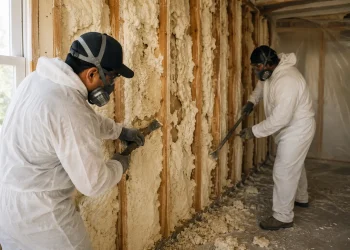
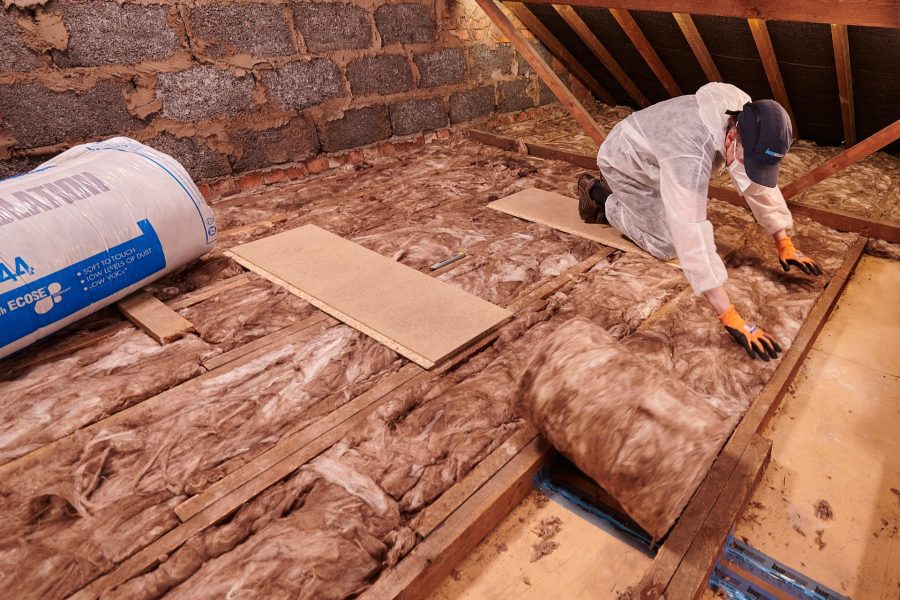
Another reason Knauf insulation is so much sought for is ease of installation. Materials that are easy to use, fast to install, and consistent in performance are much sought for by builders and contractors. Usually light-weight and flexible, the insulation is easy to handle and fit for a range of uses. From hollow walls to lofts, flooring to partitions, Knauf insulation provides a flexible variety of materials fit for many building types and construction techniques. This flexibility helps to keep budgets and timetables in line and streamlines building activities.
Design and construction of buildings now give comfort and interior air quality first importance. Often selected for its low emission levels and non-irritant qualities, knauf insulation helps to produce better interior conditions. Particularly in homes, classrooms, and medical facilities, choosing materials free of compromise of air quality is becoming more and more important. By preventing the discharge of dangerous substances and allergens into the air, the makeup of Knauf insulation fosters improved living conditions.
Another important quality of Knauf insulation that helps to explain its appeal is durability. Builders and property owners want guarantees that the building components will last for many years. Quickly failing or ineffective insulation over time can cause expensive repairs, energy loss, and lower property value. When constructed properly, knauf insulation is designed to last the lifespan of the construction. Given this long-term benefit, especially in high-spec projects where dependability is non-negotiable, it makes wise investment.
Using premium insulation is no more optional as building rules are more strict, especially in relation to environmental performance and energy economy. By helping building projects either achieve or surpass these criteria, knauf insulation gives developers a competitive advantage. From satisfying U-value criteria to helping to reach almost zero-energy construction targets, this insulation solution is absolutely essential in complying and future-proofing properties against changing regulations.
The extent of Knauf insulation’s product line is another interesting feature. From big-scale commercial projects to household retrofits, it meets a great range of needs. This adaptability guarantees that builders may choose the correct solution for any section of the project, whether it be acoustic insulation for inside partitions or thermal insulation for external walls. Access to a complete insulation solution under one brand simplifies procurement and promotes uniformity in performance over the whole project.
Demand for insulating solutions fit for prefabrication procedures has also surged as offsite construction and modular building techniques become more popular. Because of its accuracy, simplicity of use, and fit for controlled manufacturing environments, knauf insulation is often used for such projects. Its constant quality guarantees that prefabricated components satisfy high criteria prior to their delivery to the building site, so lowering the possibility of on-site modifications and so increasing general efficiency.
In public sector projects, where financial restrictions may have a major influence, Knauf insulation provides a sensible approach to satisfy performance criteria without raising expenses. Its energy-saving features help public facilities such hospitals, councils, and schools to have less running expenses. It is a sensible and affordable decision since over time the lower energy usage results in financial savings that can be allocated to other public services.
Popularity of Knauf insulation also indicates shifting customer perceptions. More people know, not just about energy savings but also about general comfort from proper insulation. They are ready to pay for products that will make their homes quieter year-round, cooler in summer, and warmer in winter. Builders and developers are reacting with specifications including high-performance products like Knauf insulation as a standard rather than an upgrade in response to this increasing consciousness.
Knauf insulation’s mix of thermal efficiency, acoustic performance, fire safety, environmental responsibility, ease of installation, and long-term durability explains overall growing popularity of it. It provides a complete solution that satisfies the needs of contemporary building and attends to end-user priorities as well as professional ones. Driven by stricter rules and rising expectations for sustainability and performance, Knauf insulation is positioned to be a top choice for premium, dependable, and forward-looking insulation solutions as the building sector develops.