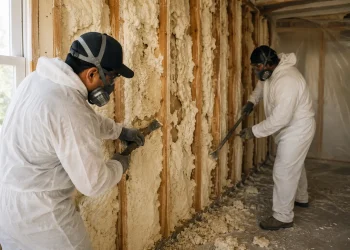


Employers in all sectors have first basic duty to guarantee workplace safety. Although conventional safety procedures, equipment inspections, and compliance policies are vital in accident prevention, they sometimes neglect the human aspect of workplace safety. Behavioural safety training in Ireland is useful in this situation. Organisations can build a culture whereby employees actively engage in lowering hazards and preserving a safe workplace by means of psychological and behavioural components of safety.
Comprehending Behavioural Safety Training
Behavioural safety training in Ireland aims to avoid workplace accidents by means of identification and modification of at-risk habits among staff members. Unlike conventional safety training, which mostly stresses rules, laws, and equipment use, behavioural safety training seeks to change employees’ attitudes and practices towards safety.
This training enables employees to identify their own dangerous behaviours, grasp their causes, and know how to replace them with safer options. Companies may greatly lower workplace accidents and deaths by fostering a proactive safety attitude.
Justifications for Offering Behavioural Safety Training in Ireland
Decreasing Accidents at Work
Its proven ability to lower workplace accidents makes behavioural safety training in Ireland one of the main justifications for adopting it. Human error, dangerous practices, or risk-taking attitudes cause many accidents. Focussing on behavioural elements helps workers to be more aware of their behaviours and their influence on general safety.
Employees learn to spot possible risks before they cause events by means of observation and feedback. This proactive strategy helps the company as well as the staff members by greatly reducing the probability of accidents at work.
Promoting a Safety Culture
Long-term accident prevention depends on a working culture that gives safety top priority. Behavioural safety training in Ireland creates a climate where workers assume responsibility for their own safety as well as that of their peers. Employees are more likely to raise concerns about risks, report near misses, and follow recommended practices without ongoing monitoring when safety is embedded in workplace culture.
Promoting a strong safety culture also helps to facilitate management-employee communication. Organisations can handle possible problems before they become major events if employees feel at ease talking safety issues.
Improving Staff Participation and Motivation
Those who feel comfortable in their workplace tend to be more involved and driven. Investing in behavioural safety training in Ireland shows businesses’ dedication to staff well-being, which improves morale and job satisfaction. Employees who understand their safety is important are more likely to be efficient and remain with the business longer.
Behavioural safety training also includes interactive components such group discussions, scenario-based learning, and role-playing. These events promote cooperation and teamwork, hence enhancing staff connections and supporting a good work environment.
4. Following Health and Safety Rules
Workplace safety rules in Ireland mandate that companies do all required actions to safeguard their staff members from injury. Although following these rules is required, conventional safety practices by themselves might not be enough to avoid every accident. By tackling human elements influencing workplace hazards, behavioural safety training in Ireland offers extra layer of protection.
Including behavioural safety training into their comprehensive safety plan can help companies show their dedication to fulfilling legal responsibilities and preserving a safe workplace. Workplace accidents can also lead to expensive fines, legal problems, and harm to reputation, all of which can be avoided by this.
Reducing Workplace Incident-Related Expenses
Workplace accidents and injuries have notable financial consequences including medical expenditures, compensation claims, missed production, and perhaps legal bills. Investing in behavioural safety training in Ireland can enable companies to save these expenses by avoiding accidents before they happen.
A safer workplace results in less insurance claims and cheaper premiums, so helping to save costs even more. Avoiding accidents also guarantees that company operations stay seamless and effective by means of no interruptions.
Strengthening Responsibility and Leadership
Behavioural safety training in Ireland is good not only for frontline workers but also for supervisors and managers. Creating a safety-conscious workplace depends on good leadership, which this program enables leaders to grasp how their conduct and communication shape workers’ perceptions of safety.
Supervisors who actively participate in safety conversations and demonstrate safe behaviours create a good example for their teams. This responsibility guarantees that safety stays at all organisational levels top concern.
Dealing with Human Factors in Workplace Safety
Human elements include weariness, complacency, tension, and overconfidence cause many industrial mishaps. Behavioural safety training in Ireland enables staff members to identify these elements and act proactively to reduce hazards.
Training, for instance, can provide staff members with strategies to maintain task focus, efficient stress management, and avoidance of safety-compromising shortcuts. Addressing these human elements helps companies to build a more robust and safer workforce.
Improving Emergency Preparedness
Behavioural safety training in Ireland not only stops everyday accidents but also gets staff members ready to react quickly in crisis. Employees educated in behavioural safety are more likely to respond calmly and follow correct procedures whether the incident is a fire, chemical spill, or equipment failure.
Improved readiness helps to reduce damage, avoid accidents, and even save lives in vital situations. Workers who value rapid decision-making and situational awareness help to create a safer workplace for all.
Improving Visitor and Contractor Safety
Workplace safety extends beyond full-time staff members. On-site visitors, temporary workers, and contractors also need to be protected. Behavioural safety training in Ireland enables companies to define explicit safety expectations and guarantees that every person entering the office follows appropriate safety procedures.
Extending safety training to everyone on-site helps companies to lower accident risk and establish a uniform safety standard all around.
Raising Competitive Advantage
Businesses that give workplace safety a priority usually have a competitive edge in their sector. Clients, partners, and stakeholders like to deal with companies who show a clear dedication to safety. Implementing behavioural safety training in Ireland improves a company’s reputation and credibility.
Furthermore, companies with a good safety record are more appealing to qualified professionals looking for stable and safe employment. This can enable companies to keep and attract outstanding staff, hence supporting long-term success even more.
Final thoughts
Offering behavioural safety training in Ireland is a proactive and efficient means of improving workplace safety. Organisations that emphasise human behaviour and promote a safety culture will be able to greatly cut workplace accidents, raise employee morale, follow safety rules, and save expenses related to workplace mishaps. Investing in this training shows a dedication to employee well-being, enhances leadership responsibility, and finally fosters a safer and more efficient workplace.
Employers who use behavioural safety training in Ireland not only safeguard their employees but also improve their industry competitiveness. Organisations that make safety a fundamental value will guarantee long-term success and sustainability even as they protect their staff members and involve them in their duties.