

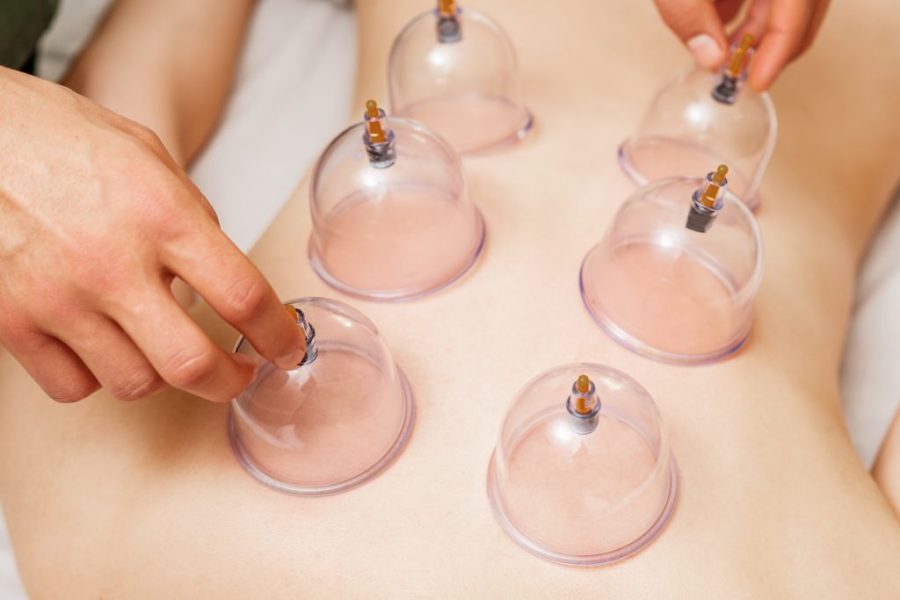
In recent years, the term wellness treatments has garnered significant traction among individuals who are interested in enhancing their overall health and well-being. Wellness is a concept that extends beyond conventional healthcare, emphasising a comprehensive approach that integrates emotional, mental, and physical well-being. This overarching philosophy has become ingrained in the fabric of modern society, influencing the manner in which individuals approach their health and lifestyle decisions.
The increasing recognition of the significance of preventive health measures and self-care is indicative of the trend towards wellness treatments. The necessity for rejuvenation and restoration has acquired new significance as lifestyles become more frantic. Currently, individuals are not only interested in alleviating symptoms, but also in promoting long-term health through comprehensive wellness remedies that improve their quality of life.
The concept of empowerment is inextricably linked to the appeal of wellness treatments. Individuals are increasingly proactive and informed regarding their health, actively searching out practices that align with their personal beliefs and values. This proactive mentality has created an atmosphere in which wellness remedies are perceived as essential components of a healthy lifestyle, rather than as mere indulgences. The increase in prevalence is also apparent in social media and popular culture, where influencers and celebrities promote a variety of wellness practices, thereby motivating others to investigate these transformative paths.
Mental health has justifiably become the focal point of the wellness conversation as a result of this health revolution. The prevalence of anxiety, depression, and other mental health issues has increased due to the stresses of contemporary life, prompting a significant number of individuals to seek solace in wellness treatments that foster mental well-being. Meditation, yoga, and mindfulness practices are among the most prevalent wellness treatments that are intended to foster resilience and inner tranquilly. These techniques not only offer immediate respite but also cultivate long-term mental fortitude, thereby facilitating the navigation of life’s obstacles.
Another critical component of the expanded definition of health is physical wellness. Complementary therapies, including chiropractic care, massage therapy, and acupuncture, have become recognised as essential wellness treatments that alleviate discomfort and promote physical health. A growing number of individuals are adopting holistic approaches as a means of supplementing traditional healthcare, as they seek benefits that conventional medicine may not provide. Health advocates are increasingly emphasising the importance of mind-body-soul care, which is why they are increasingly recommending a combined regimen of medical attention and wellness remedies.
Nutrition is also a critical component of wellness treatments. There has been a significant increase in interest in nutritional wellness as society continues to address health issues associated with diet. The demand for guidance on dietary choices that promote overall health is on the rise, resulting in a rise in the popularity of wellness treatments that revolve around nutrition coaching, functional foods, and mindful eating practices. Individuals are able to make informed decisions that support their physical and mental health by comprehending the relationship between diet and wellbeing.
Additionally, the significance of the environment in the formation of personal health cannot be exaggerated. The concept of “wellness through nature” is now the focus of numerous wellness treatments. The therapeutic benefits of nature-based treatments, such as forest hydrotherapy or eco-therapy, have become more apparent as individuals seek refuge from the stresses of urban lifestyles. It is believed that immersion in natural settings not only promotes relaxation but also enhances creativity and emotional clarity, making it a crucial element of numerous wellness treatments.
The social component of wellness treatments is equally significant. Social interaction and community engagement are essential components of overall well-being. Group wellness treatments, including communal yoga classes and group therapy sessions, offer opportunities for support and connection. These social structures facilitate the exchange of wellness experiences, the development of a sense of community, and the acquisition of knowledge. The benefits of individual treatments are augmented by the collective experience, which reinforces the idea that wellness is a shared endeavour rather than a solitary pursuit.
The accessibility of wellness treatments has become increasingly critical as the wellness industry continues to expand. A wide variety of therapies and services have been developed to accommodate a wide range of requirements and preferences. There are now a variety of wellness remedies available to individuals, ranging from urban wellness centres to spa retreats, to accommodate their lifestyles. This heightened accessibility enables a greater number of individuals to benefit from wellness, thereby contributing to the sector’s overall expansion.
Additionally, the evolution of wellness remedies has been significantly influenced by technological advancements. In addition to improving our comprehension of personal health metrics, mobile applications and wearable technology also provide customised wellness treatments. Tracking progress, participating in virtual classes, and receiving personalised recommendations tailored to individual requirements are all feasible options. This seamless integration of technology into wellness remedies seamlessly blends convenience with personalised care, thereby simplifying the process of maintaining one’s wellness journey.
Nevertheless, the obligation to remain astute consumers increases in tandem with the increasing prevalence of wellness treatments. It is imperative to distinguish between evidence-based practices and fashionable solutions that may lack scientific support, given the abundance of information at our disposal. Some wellness treatments may even pose risks if not approached with caution, and not all of them deliver the advertised benefits. As a result, individuals who are interested in wellness treatments must assume a critical and informed perspective, ensuring that their decisions are based on dependable information and are supported by health professionals as needed.
Cultural diversity in wellness remedies is an additional aspect that warrants investigation. Unique approaches to health and wellness are offered by a variety of disciplines, including Ayurveda, Traditional Chinese Medicine, and Indigenous healing traditions, across cultures. The interconnectedness of body, mind, and spirit is exemplified by each of these systems, which offers a distinctive perspective on wellness treatments. The integration of diverse cultural practices into conventional wellness is becoming increasingly popular as globalisation continues. This amalgamation of traditions has the potential to enhance our comprehension of wellness and provide individuals with a diverse array of choices from which to develop their ideal wellness regimen.
Perceptions of health and wellness have been profoundly altered by the COVID-19 pandemic, resulting in a substantial shift towards preventive health measures. A growing number of individuals have acknowledged the critical nature of maintaining good health and have opted for wellness treatments as proactive strategies. This has led to a significant increase in the popularity of wellness retreats, online classes, and virtual therapies, which enable individuals to maintain their health from the convenience of their own homes. The renewed emphasis on personal health has established wellness treatments as essential for a significant number of individuals, rather than mere luxuries or temporary trends.
Additionally, it is imperative to consider the economic implications of the wellness treatment industry. As the market has expanded in tandem with the growing awareness of wellness, there has been a substantial increase in entrepreneurial opportunities and employment. In response to the increasing demand for services and programs that focus on health and wellness, an increasing number of wellness practitioners, therapists, and specialists are emerging. This expansion not only promotes economic growth but also cultivates a culture that emphasises holistic well-being.
In summary, the increasing prevalence of wellness treatments is indicative of a changing perspective on health that emphasises prevention, self-care, and holistic practices. People are now adopting wellness treatments not as mere fads, but as essential components of a healthful lifestyle that encompasses the diverse aspects of well-being. The profound impact that wellness treatments can have on augmenting one’s quality of life is being discovered by individuals as a result of the increased awareness of the importance of social connections, nutrition, and mental health.
The future of society will be significantly influenced by the integration of technological innovations, diverse cultural practices, and a critical approach to wellness treatments as society continues to evolve. The journey towards wellness is profoundly interconnected, yet it is personal. As more individuals participate in wellness interventions, the collective experience and shared knowledge will strengthen our communal pursuit of health. In the end, wellness remedies have the potential to enable individuals to take charge of their health, establish pathways to recovery, and establish a healthier society for all.