

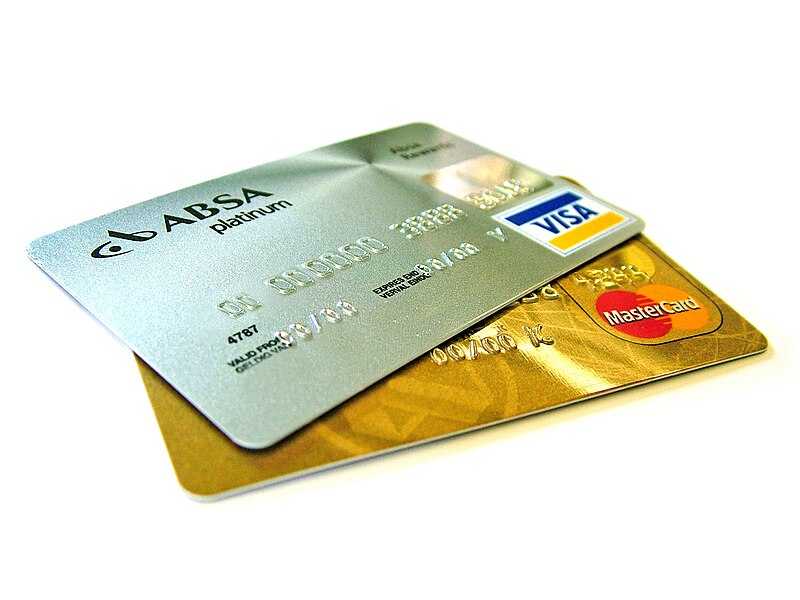
When people think of using a credit card, they usually picture paying for goods or services at a shop or online, then repaying the balance later. However, in South Korea there’s a parallel practice that has grown into its own niche: credit card cashing. Known locally as 신용카드 현금화 (credit card cashing) or simply 카드현금화 (card cashing), this method allows cardholders to convert their credit limit directly into cash.
On the surface, the idea sounds straightforward. You use your card to make a purchase and, instead of receiving the product, you receive cash from a third party who processes the transaction. While it is simple in principle, the context is far more complex. Questions about legality, safety, and effectiveness surround the practice, yet it remains a high-demand service that thousands of people in Korea actively search for online.
This article explores exactly what credit card cashing is, how it works in practice, who tends to use it, and the key things you need to know before considering it.
The Basic Concept of Credit Card Cashing
Credit card cashing (신용카드 현금화) is essentially a way to access your credit limit as ready cash without going through a bank loan or an official cash advance. Instead of withdrawing money directly through the card issuer — which usually involves fees, high interest, and strict caps — a third-party service offers to “buy” an item from you or process a card transaction and then hand you the equivalent money.
For example, you might use your card to “purchase” a product listed by a provider, but instead of the product being shipped, you receive the majority of that payment back in cash, minus the provider’s service fee. In another setup, the provider might pretend to sell you vouchers or tickets; you pay with your card, but what you actually get is cash at a discounted rate.
It is not hard to see why people use this method. It bypasses the friction of applying for a loan, avoids the stigma of asking for family support, and gives near-instant liquidity. However, this convenience comes at a cost.
Why People Use Card Cashing Services
The popularity of 카드현금화 is driven by urgent need. Many people turn to these services when they need money quickly — often within hours — and don’t have easy access to traditional credit options. Situations include:
- Covering unexpected bills or emergencies.
- Paying down other debts to avoid late fees.
- Managing daily expenses during a temporary cash-flow crunch.
- Accessing funds when personal credit ratings make loans difficult.
In Korea, where financial culture is highly credit-oriented and competition for bank loans can be strict, services offering card cashing fill a gap in the market. They provide immediate solutions, but with trade-offs that must be considered.
How the Process Works Step by Step
Although the details vary between providers, the typical process for credit card cashing follows a predictable flow:
- Initial contact – The cardholder contacts a provider offering 신용카드 현금화 services, usually found online.
- Verification – The provider checks card details and sets out the conditions, including the percentage of the transaction that will be returned as cash.
- Transaction – The cardholder uses their credit card to “buy” a product or service from the provider’s site.
- Cash release – Instead of delivering the product, the provider transfers cash to the cardholder’s bank account or hands it over in person.
- Repayment – The cardholder still owes the original amount to their credit card company, repaid under their card’s terms.
Typically, the provider keeps a margin (often 10–20%) as their fee. So, spending ₩1,000,000 on the card might result in ₩800,000–₩900,000 being returned in cash.
The Legal Grey Zone
A key question for anyone reading about card cashing is whether it’s legal. In Korea, the answer isn’t black and white. Direct cash advances through card issuers are, of course, legal. But third-party credit card cashing (카드현금화) sits in a grey area.
Authorities often warn against these services because they can be linked to fraud, money laundering, or predatory fees. Some operators are legitimate businesses that operate transparently, while others exploit desperate customers with hidden charges or scams. The government has occasionally cracked down on the industry, but demand keeps it alive.
For users, this means exercising caution is essential. Even if a service functions as promised, there’s always a risk that your credit card issuer could view the activity as suspicious and penalise the account.
Advantages People See in Card Cashing
Despite the risks, many still use 신용카드 현금화 services for perceived advantages:
- Speed – Money is often available the same day.
- Accessibility – Credit card holders with poor loan options can still use their card limits.
- Simplicity – No lengthy paperwork or bank interviews.
- Flexibility – Funds can be used for any purpose, unlike some loans with restrictions.
These benefits explain the ongoing popularity, especially among those who feel excluded from traditional banking channels.
The Downsides and Risks
Balanced against the benefits are serious downsides:
- High costs – Fees significantly reduce the cash you receive.
- Debt cycle – You still owe the card company the full transaction, leading to potential repayment struggles.
- Legal risk – Using unregulated providers could expose you to fraud or penalties.
- Credit damage – Issuers may downgrade your account or limit usage if suspicious transactions are flagged.
For some, these risks outweigh the benefits. For others, the immediate liquidity is worth it. Either way, understanding the trade-offs is vital.
The Typical Customer Profile
Credit card cashing in Korea is not limited to one group. However, common users tend to be:
- Younger people facing high living costs.
- Small business owners covering short-term cash flow issues.
- Individuals with lower credit scores who can’t access loans.
- People juggling multiple debts who need temporary relief.
It’s often a last-resort option rather than a first choice.
The Future of Credit Card Cashing in Korea
As the financial industry in Korea evolves, regulators are paying closer attention to 신용카드 현금화. Fintech solutions and alternative credit products may eventually reduce reliance on these services. However, as long as credit cards remain widely used and financial stress remains common, demand for fast-cash solutions will persist.
Consumers should be cautious, well-informed, and selective if they ever consider this option. Awareness of both the mechanics and the risks is crucial.
Final Thoughts
Credit card cashing, or 신용카드 현금화, is a unique financial workaround that continues to draw attention in Korea. It provides a way to turn card limits into instant liquidity, bypassing traditional banking processes. Known more generally as card cashing (카드현금화), it appeals to those who value speed and accessibility.
Yet with benefits come risks: high fees, legal uncertainty, and potential debt traps. Anyone curious about using such services should research thoroughly, approach providers with caution, and always weigh alternatives.
Ultimately, credit card cashing is less about convenience and more about necessity. It highlights the ongoing tension between consumer demand for quick financial fixes and the formal structures of banking and credit regulation in South Korea.