

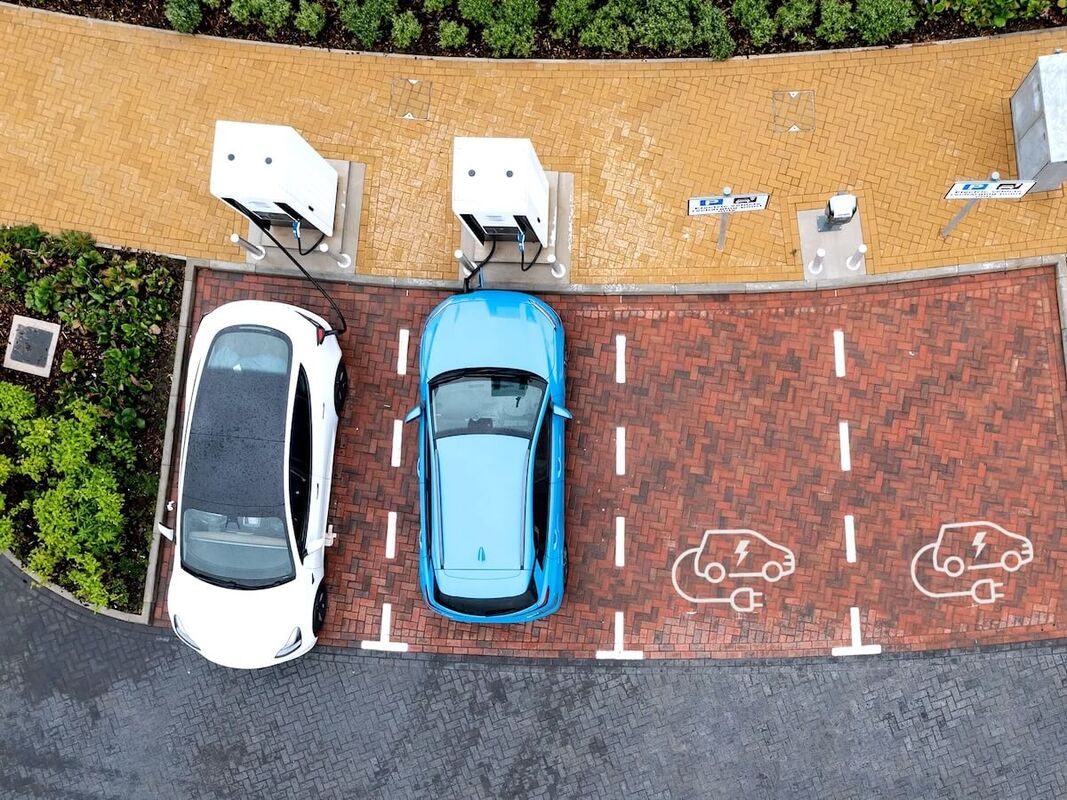
The shift to electric vehicles (EVs) for commercial fleets is gaining momentum, driven by the need for sustainability and operational efficiency. Installing dedicated EV chargers for commercial fleets offers numerous advantages, making it an attractive option for businesses. This article explores the benefits of using fleet-based electric vans and commercial vehicles and the importance of professional EV fleet charger installations.
Benefits of Fleet-Based Electric Vans and Commercial Vehicles
Cost Savings
Lower Fuel Costs
Electric vehicles are cheaper to operate compared to their petrol and diesel counterparts. Electricity is generally less expensive than fuel, and businesses can take advantage of lower off-peak rates for charging their fleets. Over time, the savings on fuel costs can be substantial, particularly for high-mileage fleets.
Reduced Maintenance Costs
EVs have fewer moving parts than internal combustion engine (ICE) vehicles, which translates to lower maintenance costs. There is no need for oil changes, and components like brakes last longer due to regenerative braking systems. This results in fewer breakdowns and lower servicing costs, leading to significant savings for fleet operators.
Environmental Benefits
Reduced Emissions
Switching to electric commercial vehicles helps reduce greenhouse gas emissions and air pollution. This aligns with corporate sustainability goals and regulatory requirements aimed at reducing carbon footprints. Businesses can enhance their corporate social responsibility profiles by adopting cleaner transportation options.
Enhanced Operational Efficiency
Consistent Performance
Electric vehicles offer consistent performance, with instant torque providing smooth acceleration and deceleration. This can improve the driving experience and increase productivity, as drivers can cover routes more efficiently.
Predictable Costs
Electricity prices are generally more stable than fuel prices, allowing businesses to better predict and manage their operational costs. This predictability helps in budgeting and financial planning, making fleet management more straightforward.
Improved Driver Experience
Comfort and Convenience
EVs are quieter and provide a smoother driving experience, reducing driver fatigue. The advanced technology and features in modern electric commercial vehicles, such as sophisticated driver-assistance systems, enhance comfort and safety, contributing to higher driver satisfaction and retention.
Government Incentives
Financial Incentives
Governments offer various incentives to encourage the adoption of electric vehicles, including grants, tax credits, and subsidies. These incentives can offset the initial costs of purchasing EVs and installing charging infrastructure, making the transition more financially feasible for businesses.
Importance of Professional EV Fleet Charger Installations
Customised Solutions
Site Assessment and Planning
Professional EV charger installers provide customised solutions tailored to the specific needs of a business. They conduct site assessments to determine the best locations for chargers, ensuring optimal placement for ease of use and efficiency.
Reliable and Safe Installations
Compliance with Standards
Professional installers ensure that all charging infrastructure complies with local regulations and safety standards. This is crucial for avoiding potential legal issues and ensuring the safety of employees and vehicles.
Quality Assurance
By using experienced installers, businesses can be confident that the charging equipment is of high quality and installed correctly. This reduces the risk of malfunctions and downtime, ensuring that the fleet remains operational.
Scalable Solutions
Future-Proofing
Professional installers can design scalable charging solutions that accommodate future growth. This means that as a business expands its electric fleet, the charging infrastructure can be easily upgraded or expanded to meet increased demand.
Integrated Management Systems
Smart Charging Solutions
Advanced charging systems can be integrated with fleet management software, allowing businesses to monitor and manage their charging processes remotely. Features such as load balancing and scheduling ensure that the fleet is charged efficiently, minimising energy costs and maximising uptime.
Enhanced Efficiency
Reduced Downtime
Having dedicated charging infrastructure reduces the need for drivers to spend time searching for public charging stations. This ensures that vehicles are ready for use when needed, improving operational efficiency and reducing downtime.
Conclusion
The transition to electric commercial vehicles offers numerous benefits, including cost savings, environmental advantages, enhanced operational efficiency, and improved driver experience. Installing dedicated EV chargers is a crucial component of this transition, ensuring that fleets are charged reliably and efficiently.
Professional electric car charger installers in Norwich provide customised, scalable, and compliant solutions that meet the specific needs of businesses. By leveraging their expertise, companies can optimise their charging infrastructure, supporting a smooth and successful transition to electric mobility.