
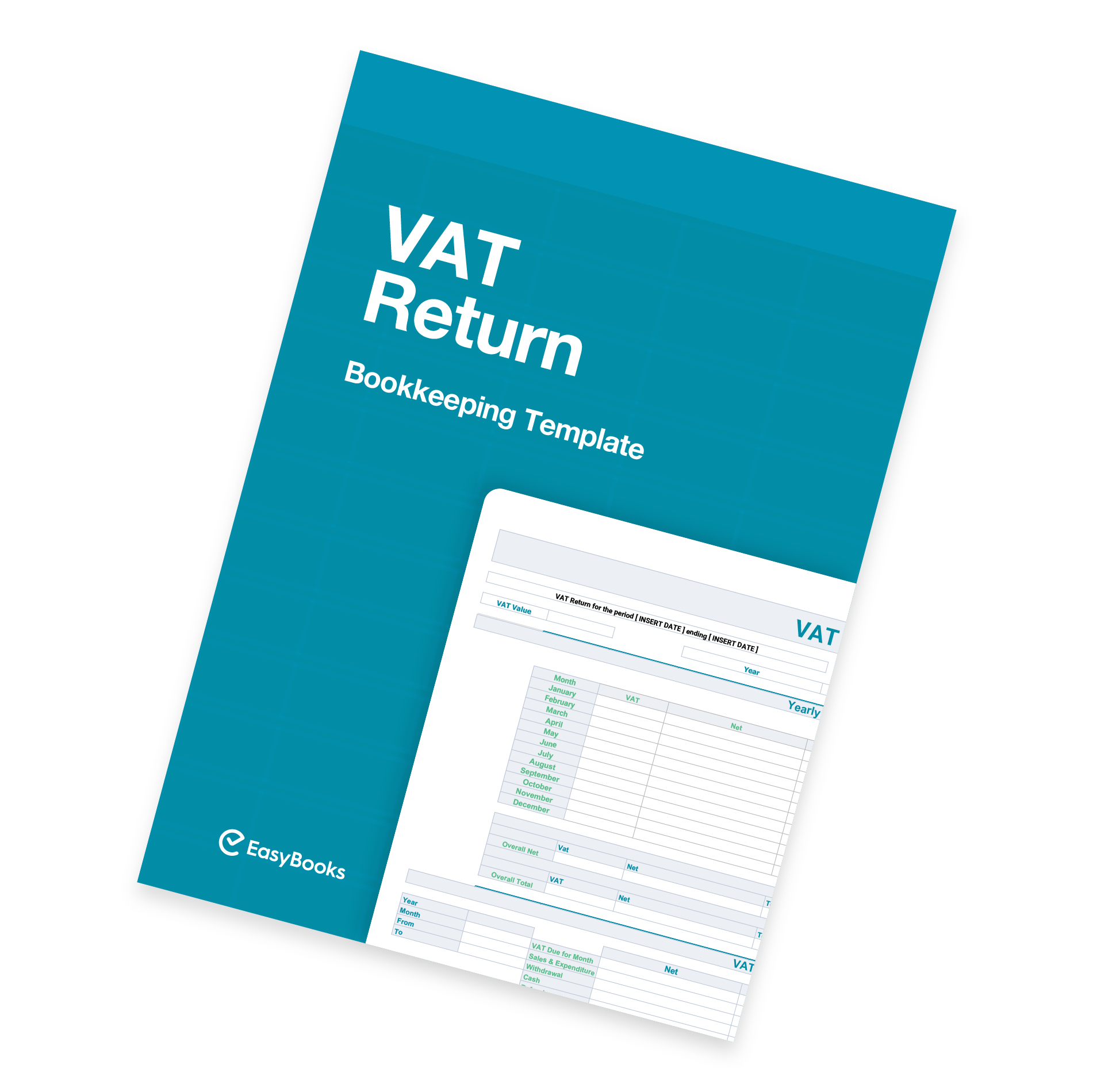
If your business sells more taxable goods and services in the UK than the VAT registration level, you are legally required to sign up for VAT and send regular VAT returns to HMRC. Many businesses choose to register even if they are below the required threshold so they can get back VAT they paid on costs.
This detailed guide will talk about VAT registration tasks and rules in the UK, including who needs to file VAT returns, how to do so, when to do it, the different options, and what happens if you don’t follow the rules. Keep reading for a full explanation of how to follow UK VAT rules.
What Do VAT Returns Mean?
When you file a VAT return, you have to send in a report that adds up all the VAT you paid on business purchases and the VAT you received from sales during the reporting period. This needs to match up with the cash records. Then, the net amount of VAT that is owed or that can be refunded is found.
Returns must be filled out completely and correctly, and they must be sent back on time with proof of purchase. HMRC could fine you for filing late. VAT reports help make sure that the UK’s VAT obligations are met for goods and services sold there.
Who Needs to Send Back VAT Returns?
This means that any UK business that made more than £85,000 in VAT-taxable sales in the last 12 months needs to sign up for VAT and file reports. This includes nonprofits and non-profits whose taxable business income each year is more than the threshold. Some businesses choose to register for VAT below the level so that they can get VAT back on costs.
If you’re not sure if your business’s income means it needs to be registered for VAT, read the VAT Registration guides on gov.uk carefully. As you get close to the £85,000 limit, use the VAT limits tool to get a rough idea of how much you will have to pay in VAT. To avoid fines, make sure you register on time if your totals go over the required amount.
Standard Due Dates for UK VAT Returns
Businesses that have been around for a while in the UK usually file their VAT returns every three months. This means that the VAT collected and paid must be calculated and sent to HMRC independently for each quarter (Q1 for January to March, Q2 for April to June, etc.).
One month and seven days after the end of each period, the due date for a quarterly VAT return is. The due date for periods finishing in March is May 7th. If you file once a month or once a year, you have different due dates.
How to Get Your VAT Returns In On Time
To properly fill out and file your regular VAT returns, follow this standard order:
Keep detailed records of your purchases and sales, including invoices or receipts for all of the activities you list. Keep this for future HMRC checks.
Find the total amount of VAT that was received from sales of goods and services during the time period. Compare this to the accounting records because the results need to match.
Find out how much VAT you paid on business costs to suppliers and HMRC. Make sure this works with bills as inputs.
To find the net amount due to HMRC or a possible refund, subtract the total VAT input claims from the VAT outputs.
To send numbers online by the due date, use HMRC’s free software. On the other hand, accounting tools can do the filing for you.
Check the finished return carefully to make sure it is correct before sending it so that you don’t have to wait to get your refund.
To avoid late payment fees, pay any net VAT you owe by the due date after you file.
What will happen if you don’t file your VAT return UK?
It is very important for registered businesses to file full and correct VAT returns on time to avoid fines and measures from HMRC. Possible consequences and risks of not following the rules are:
Automatic starting fines for filing late of up to £400, plus more fines for continuing to file late.
charges extra fees of up to 15% of the VAT amount due for paying debts late. Also, the tax that was owed has to be paid back.
HMRC issues random VAT assessments for not filing, which leads to expected tax bills that often need to be appealed.
More likely that HMRC will do thorough tax audits and full VAT inspections, and that mistakes will lead to big backdated tax bills and fines.
Refunds won’t be given until problems with filing and payments are fixed.
Possible de-registration by HMRC in the future for repeated serious non-compliance, but tax debts will still be collected.
Avoid fines with help with your VAT return
Some VAT plans, like Flat Rate and Cash Accounting, can make it easier for smaller businesses to follow the rules. But it’s best to get professional help to make sure you stay in full compliance and limit your risk.
If you don’t have enough accounting resources or knowledge, that shouldn’t stop you from meeting your filing and payment obligations for VAT, which come with harsh fines if you don’t. Let a professional handle the forms, payments, and suggestions for properly lowering the amount of VAT you owe. Use help to stay in compliance and keep your eye on business growth.