

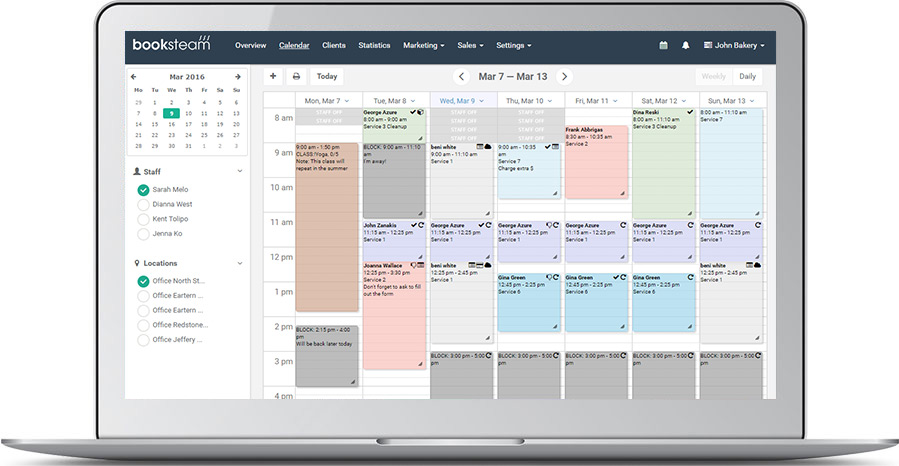
In today’s corporate world, you need to be accurate, efficient, and provide great customer service. Without the right processes in place, tracking appointments, bookings, and client calendars may rapidly become too much for small businesses that provide services. This problem has led to the widespread use of booking software by small businesses. This software has changed the way company owners run their firms and improved the experiences of their customers.
Small company entrepreneurs frequently have to do a lot of different things at once, such providing services, keeping track of their money, and promoting their businesses. Phone conversations, paper diaries, and email exchanges are all traditional ways to make reservations that can waste time and resources that could be better spent on key company tasks. Booking software for small companies fixes these problems by automating the reservation process, making it easier for business owners and their customers to do business with each other.
The best incentive for small businesses to use booking software is that it can run all the time. With traditional booking systems, someone has to be there to help during office hours. With digital booking systems, clients can arrange appointments whenever they want, such during lunch breaks, nights, or weekends. Being available 24/7 greatly increases the chances of getting reservations since clients can schedule appointments right away when they need to, instead of having to wait until business hours to contact you.
Another important benefit of booking software for small businesses is that it helps them look more professional and trustworthy. Customers want firms to have contemporary, simplified procedures in a world that is becoming more and more digital. A small business that uses a professional booking system shows that it is up-to-date with technological developments and dedicated to offering good service. This idea may be quite helpful for firms who are up against bigger corporations with greater resources since it makes the playing field more even and gives the sense of established professionalism.
One of the most important financial benefits of booking software for small businesses is that it cuts down on no-shows and cancellations. Customers sometimes miss their appointments or don’t give enough notice when they cancel when they use traditional booking techniques. Most modern booking systems come with automatic reminders that send emails or text messages to remind people of their appointments. This makes it far less likely that people will miss their meetings. Many systems also let companies set cancellation policies and require deposits, which helps prevent against losing money when people don’t show up.
Booking software for small businesses also gives you important data and analytics that may help you make smart choices. These systems usually keep track of how customers book, what times are most popular, what services they like, and how they act. This information helps company owners plan their calendars better, figure out when demand is highest, and make smart choices regarding personnel, pricing, and what services to provide. It would be almost hard to get and examine this kind of information by hand using typical booking techniques.
Booking software for small businesses is scalable, which means that the system can expand with the firm. Digital booking systems can handle changes like firms adding more services, hiring more workers, or opening new locations without needing to be completely rebuilt. This flexibility is especially useful for small business owners who want to develop, since it means they don’t have to keep buying new booking systems as their firm changes.
From the client’s point of view, the most obvious benefit of booking software for small companies is that it makes things easier for them. People today like being able to arrange services quickly and conveniently. They generally prefer self-service choices over phone calls or visits in person. Most booking software lets clients see real-time availability, read about the services, see the prices, and choose their favourite staff members or time slots. This amount of control and openness makes the customer experience better, which can lead to happier customers who are more likely to stay loyal.
Booking software for small companies is more useful than just making appointments since it can connect with other applications. A lot of systems can work with other company tools, such payment processors, accounting software, customer relationship management systems, and marketing platforms. This integration makes the entire ecosystem work together, which cuts down on the need to enter data, makes mistakes less likely, and gives a full picture of how the firm runs. This ability to link can save small business owners a lot of time and work when they have to manage more than one system.
Booking software for small businesses also makes it easier for enterprises and their consumers to talk to one other. Many systems let you send appointment confirmations, follow-up communications, promotional offers, and requests for feedback. This automatic communication helps keep customers happy and can bring in repeat business with little effort from business owners. Automated communications are typically more consistent and professional than what small organisations can do by hand, especially when things are hectic.
Small companies may save money by using booking software in more ways than just reducing no-shows. It can also help them manage their cash flow better. Many systems allow for advance payments, deposits, and integrated payment processing. This means that businesses may get paid when the service is booked instead of waiting until the service is done. This feature can make it much easier to estimate cash flow and cut down on the work that comes with collecting payments.
Booking software for small firms with several employees makes managing staff a lot easier. These systems can keep track of each staff member’s calendar, their availability, and their performance metrics. They may also assign reservations based on expertise or choice. This feature makes sure that resources are used in the best way possible and that there are no scheduling conflicts that might affect service delivery for firms with part-time or changing staff schedules.
Small company owners may customise booking software to fit the needs of their sector and brand identity. Modern booking systems may be set up to show the precise services you offer, how long they take, how much they cost, and how to book them, whether you run a hair salon, a consulting firm, a fitness class, or any other service-based business. This flexibility makes sure that the software helps corporate operations instead of getting in the way of them.
Small company booking software also has important backup and security capabilities that keep important business and client information safe. Most cloud-based solutions come with automated backups, so you never have to worry about losing appointment information or client records because of hardware failures or other technical problems. In addition, professional booking systems have security features that keep private customer information safe. This helps businesses follow data protection laws and keep their customers’ confidence.
In today’s market, small businesses can’t afford to ignore the competitive edge that booking software gives them. Businesses that make booking easy and professional are more likely to get and keep clients than those who use old-fashioned approaches. This benefit is especially strong among younger people who have grown up with digital technology and anticipate all of their online interactions to go well.
Finally, small company owners may have a better work-life balance thanks to booking software. Owners may spend more time on service delivery, business growth, and personal interests by automating the booking process and cutting down on administrative work. Organised, automated processes may help reduce stress, which can make being a business owner much better and help the firm endure for a long time.
Small businesses who use booking software are making a strategic choice that affects several parts of their organisation, including customer happiness, making money, and running their firm more efficiently. As the corporate world moves more and more towards digital solutions, small firms who use these tools will be able to stay successful and thrive in a market that is becoming more and more competitive.