

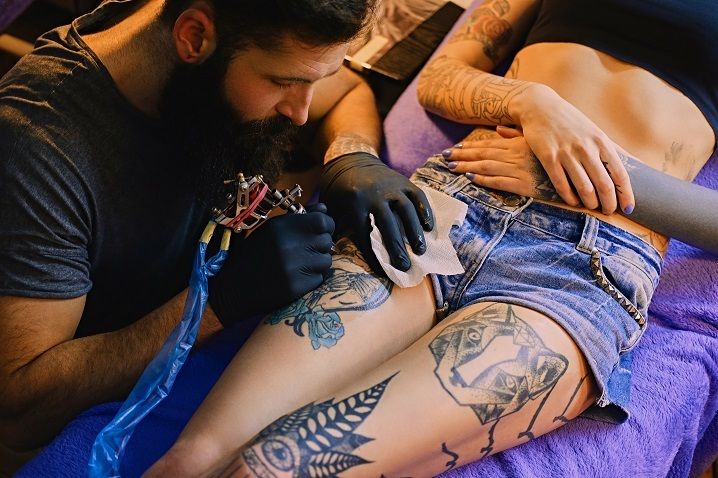
The evolution of tattooing practices has been remarkable in the vibrant world of body art. Tattooing has undergone substantial changes, transitioning from ancient tribal rituals to contemporary fashion statements. The introduction and widespread adoption of tattoo numbing cream is perhaps one of the most impactful developments in recent years, among these changes. This innovation has significantly transformed the tattooing experience, rendering it more accessible and pleasant for a wider range of individuals. This article investigates the multidimensional function of tattoo numbing cream in contemporary tattooing, analysing its influence on the industry, artists, and clients.
Historically, the tattooing procedure was regarded as a necessity that involved the suffering of pain. The distress that resulted from the repeated puncturing of the skin by needles was considered a rite of passage, a testament to the artist’s dedication to the art form and the symbolism of their chosen design. Nevertheless, this perspective has progressively changed as tattooing has become more prevalent. In the present day, the emphasis has shifted from the agony experienced to obtain tattoos to the personal significance and artistic expression they provide. This cultural transition has made tattoo numbing cream more popular and accepted.
Typically, tattoo numbing cream contains active ingredients such as lidocaine, prilocaine, or benzocaine, which temporarily inhibit nerve signals in the application area, thereby reducing or eliminating the pain sensation. The formulations of tattoo numbing cream products are inconsistent; some provide surface-level numbing, while others penetrate deeper into the dermis, where tattooing takes place. Additionally, the application methods and duration of effectiveness vary among products, providing clients and artists with the ability to customise their requirements and preferences.
The dread of pain has been a substantial impediment to tattooing for a significant number of individuals. This concern has been effectively addressed by tattoo numbing cream, which has opened doors for individuals who may not have otherwise contemplated body art. Tattoo numbing cream can make the difference between an unbearable ordeal and a manageable, even pleasurable experience, especially for larger pieces or tattoos on sensitive areas such as the ribs, spine, feet, or inner arms. The art form has been democratised by the availability of tattoo numbing cream, which enables a greater number of individuals to express themselves through body art without the daunting prospect of excessive discomfort.
It is intriguing that the tattooing community has engaged in a debate regarding the use of tattoo numbing cream. Traditional perspectives frequently maintain that pain is an inherent component of the process; however, this perspective has been challenged by the growing prevalence of pain management solutions. Some tattoo artists have expressed apprehensions that the quality of the tattoo may be impacted by the clients’ potential to move more if they do not feel the sensation or that anaesthetised skin may react differently to ink. Nevertheless, a significant number of contemporary tattoo artists acknowledge the advantages of tattoo numbing cream, particularly when working on sensitive areas or for extended sessions.
Tattoo numbing cream has a number of benefits from the artist’s perspective. Clients who are more at ease are inclined to remain seated for extended periods, which enables the completion of more intricate tasks in fewer sessions. This is advantageous for both the artist’s schedule and the client’s financial situation. In addition, clients are able to maintain a more positive attitude and communicate more effectively with the artist when they are not preoccupied with pain management, which results in a more positive overall experience for both parties.
The professional approach to tattoo numbing cream is subject to significant variation among artists. Some businesses include it as a standard component of their services, either by applying it themselves or by recommending specific products to clients prior to their consultations. The decision is entirely left to the client, while others offer advice on the proper application to ensure efficacy without disrupting the tattooing process. This adaptability is indicative of the personalised nature of tattooing as a service industry and art form.
Timing and application are extremely important when contemplating the use of tattoo numbing cream. The majority of tattoo numbing cream products necessitate the administration of the cream 30 minutes to an hour prior to the commencement of the tattoo session. The area is then covered in plastic wrap to optimise absorption. In certain instances, the tattooing procedure may be complicated or its effectiveness may be diminished as a consequence of improper application. It is generally recommended that clients consult with their tattoo artist and adhere to the product instructions meticulously before using tattoo numbing cream to ensure compatibility with their unique tattooing approach.
Like any topical product, tattoo numbing cream may cause allergic reactions, skin irritation, or rare systemic effects if ingested in large amounts. Patch testing, adhering to the recommended application times and quantities, and selecting high-quality products that are specifically designed for tattooing are all components of responsible use. Furthermore, tattoo numbing cream should never be employed to conceal pain that may be indicative of a more severe issue during the tattooing procedure.
The future of tattoo numbing cream in the industry is promising, as ongoing research and development are resulting in more effective, longer-lasting formulations with fewer adverse effects. We can anticipate the emergence of more advanced products as the stigma surrounding pain management in tattooing continues to diminish. These products have the potential to become a standard practice in numerous studios. This change is indicative of a more general trend in society to prioritise accessibility and comfort in experiences that were previously associated with distress.
The incorporation of tattoo numbing cream into contemporary tattooing practices represents a substantial change in our approach to body art. Tattoo numbing cream has assisted in the transformation of tattooing from a specialised practice that is frequently associated with pain endurance to a more approachable form of self-expression by eliminating or reducing the pain barrier. This modification is consistent with the broader democratisation of tattooing that has taken place in recent decades, as the art form has transitioned from the periphery to the centre of society.
Nevertheless, it is crucial to recognise that the utilisation of tattoo numbing cream is a matter of personal preference, despite this advancement. The sensation is considered an essential component of the tattoo voyage by a significant number of tattoo enthusiasts, who continue to opt for an unnumbing experience. The tattooing landscape is enhanced by the diversity of approaches, which enables individuals to interact with body art in a manner that is consistent with their personal values and comfort levels.
In summary, tattoo numbing cream has established itself as a valuable instrument in contemporary tattooing, thereby bridging the divide between physical comfort and artistic expression. The art form’s ongoing development and evolution have been facilitated by the increased accessibility and manageability of tattooing for a broader audience. Tattoo numbing cream is expected to play a more significant role in the future of tattooing practices as attitudes continue to shift and technology advances. This will help to ensure that the emphasis remains on the art and meaning of tattoos rather than the pain associated with obtaining them. The thoughtful integration of tattoo numbing cream into tattooing practices does not imply a dilution of tradition, but rather an evolution that enables this ancient art form to remain pertinent and accessible in modern society.