

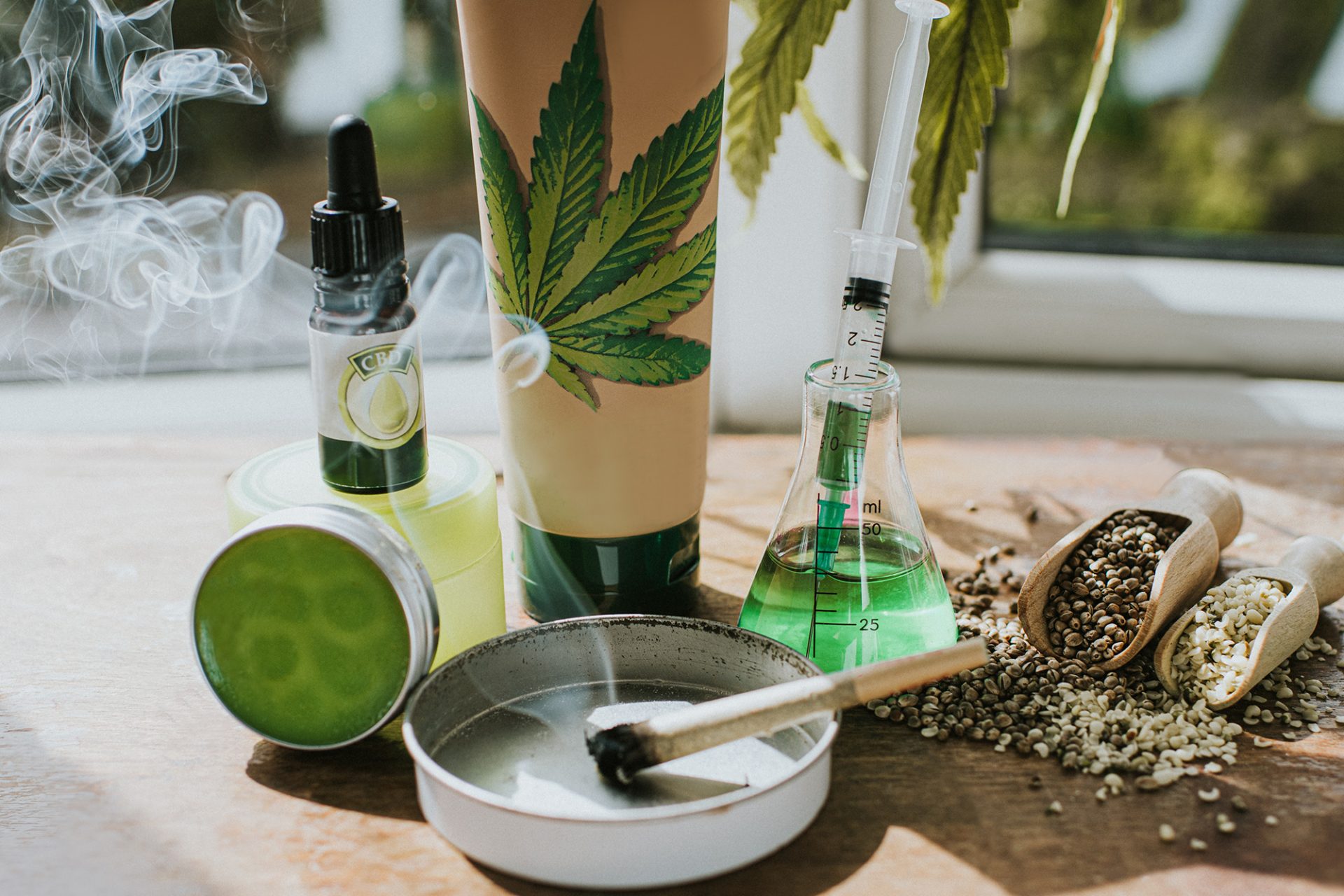
For millennia, cannabis has woven itself into the fabric of human civilization, serving as a source of fiber, recreation, and, whisperings say, medicine. Today, that last whisper has turned into a booming chorus, with research and anecdotal evidence converging to illuminate the potential of cannabis to alleviate a kaleidoscope of ailments. Yet, the path toward medicinal acceptance remains shrouded in controversy, a green frontier where science, politics, and societal taboos clash in a complex tango.
Exploring the Cannabinoid Universe:
At the heart of this complex dance lies a chemical orchestra – the cannabinoids. These naturally occurring compounds within the cannabis plant, like the famed THC (tetrahydrocannabinol) and CBD (cannabidiol), interact with the human endocannabinoid system, a network of receptors influencing mood, pain perception, and various physiological processes. This interaction opens a pandora’s box of potential therapeutic applications, from chronic pain management to epilepsy control and symptom relief for nausea and cancer.
Pain’s Unraveling Embrace:
One of the most compelling arguments for medical cannabis from TheBitz420 comes from the battlefield of chronic pain. Traditional opioids, while effective, often come at the cost of addiction and debilitating side effects. Studies suggest cannabis holds promise for managing pain associated with arthritis, multiple sclerosis, and even phantom limb syndrome. While the mechanisms are still being unraveled, the anecdotal evidence from patients finding relief where conventional medicine often fails is undeniable.
Beyond the Buzz: CBD’s Therapeutic Symphony:
THC, with its psychoactive properties, often steals the spotlight, but its non-intoxicating cousin, CBD, is quietly composing its own therapeutic symphony. Research suggests CBD’s anti-inflammatory and anti-seizure properties might hold the key to managing conditions like epilepsy, Parkinson’s disease, and even anxiety. Moreover, its lack of psychoactive effects makes it a palatable option for those hesitant about the mind-altering aspects of THC.
A Spectrum of Hope, Painted with Risks:
However, painting cannabis as a panacea would be a perilous misstep. Research is still in its nascent stages, and the long-term effects of its use, especially on developing brains, remain unclear. Additionally, potential interactions with existing medications and the risk of dependence, albeit lower than with opioids, cannot be ignored. Responsible use, guided by medical professionals, is paramount.
Ethics and Equity: Unveiling the Shadows:
Beyond the science, the shadows of societal stigma and racial injustice linger. The historical criminalization of cannabis disproportionately impacted communities of color, creating a legacy of distrust and unequal access to potential medical benefits. Addressing these ethical concerns and ensuring equitable access to research and treatment are crucial steps on the path toward responsible and inclusive medical cannabis use.
Navigating the Legal Labyrinth:
The legal landscape surrounding cannabis adds another layer of complexity. While federal regulation in the US remains at odds with increasing state-level legalization, the tide seems to be turning. Research institutions are gaining more access to study the plant, and public opinion is steadily shifting towards acceptance. However, navigating this legal labyrinth requires caution and awareness of changing regulations.
Beyond the Headlines: Fostering Informed Dialogue:
The cannabis conversation often gets hijacked by sensational headlines and polarized opinions. But amidst the noise, it’s crucial to foster informed dialogue, rooted in facts and a nuanced understanding of the science, risks, and ethical considerations. Open communication between patients, healthcare professionals, policymakers, and researchers is vital for navigating this green frontier responsibly and ensuring safe and effective access to potential medical benefits.
Conclusion: Seeds of Hope Sown on the Green Frontier:
Cannabis as a medical treatment remains a story still being written, riddled with complexities and contradictions. Yet, the seeds of hope have been sown, nurtured by both anecdotal evidence and growing scientific research. As we navigate this green frontier with caution and open minds, the potential to alleviate suffering and improve countless lives cannot be ignored. The future of cannabis as medicine might not be a panacea, but it certainly holds the promise of a brighter, more pain-free chapter for many.