
Bed bugs in your home might be unsettling. Small, parasitic insects feed on blood and cause itchy bites, causing anxiety. Not to worry! Bed bugs can be eliminated and your sleep restored with the appropriate treatment. This tutorial will teach you how to identify a bed bug infestation, choose a treatment, and rid your home of them.
An infestation of bed bugs
You must first confirm your suspicions. Bed bugs are nocturnal feeders, making daytime detection difficult. However, there are warning signs:
Bites: Bed bug bites appear in clusters or lines on exposed skin, especially arms, legs, and shoulders. Bites may be red, itching, and swollen.
Bloodstains: Crushed bed bugs may leave rusty or crimson stains on sheets or mattresses.
Cast Skins: Bed bugs shed their skin as they mature, leaving transparent casings around mattresses, bed frames, and furniture.
Reddish-brown live bed bugs are roughly the size of an apple seed. They may crawl on your mattress, furniture, or walls along seams and cracks.
Musty Odour: Severe infestations may smell sweet and musty.
Doing Something Now
Take urgent action if you suspect bed bugs:
Restrict Use of the Infested Room: This keeps bugs from spreading throughout your home.
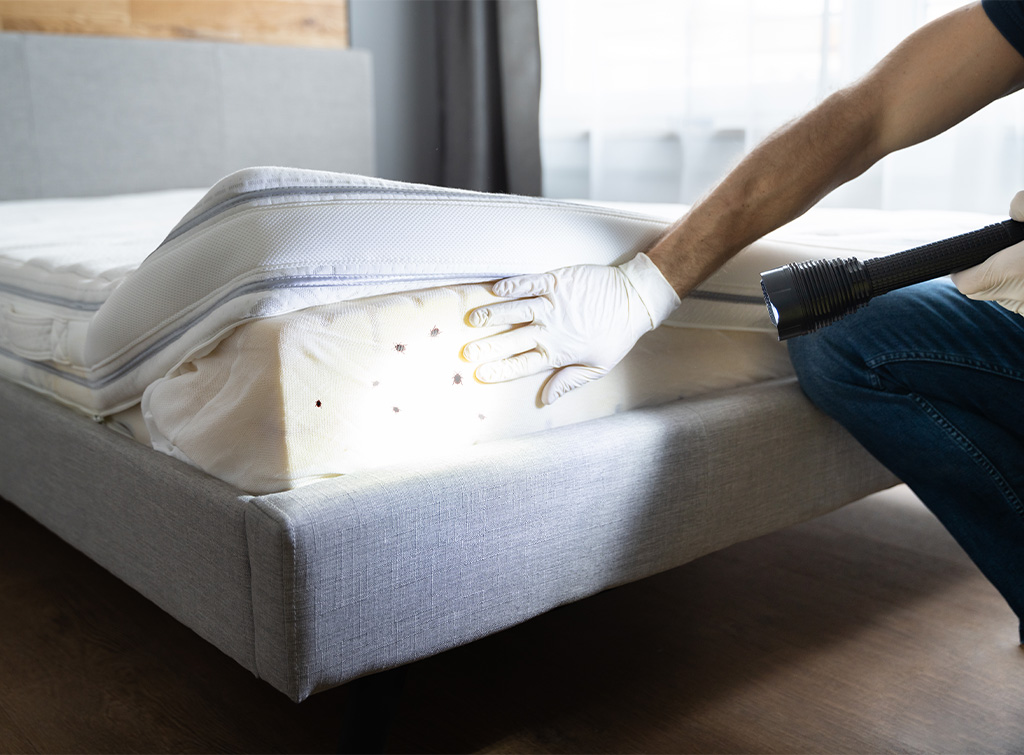
Thoroughly inspect your mattress, box spring, bed frame, and furnishings for bed bugs. Check cracks, crevices and seams using a torch.
All bedding, garments, and curtains that have been in contact with the contaminated area should be washed in hot water (at least 60°C or 140°F) and dried on high heat for at least 30 minutes.
Vacuum carpets, furniture and mattresses thoroughly, paying attention to seams, edges and tufts. Put the hoover bag in a sealed plastic bag and throw it away.
Mattress and box spring encasements that trap and kill bed bugs are available. Bed bugs cannot penetrate or escape these intricately woven encasements.
Choose the Right Bed Bug Treatment:
DIY approaches can help with mild infestations, but professional bed bug treatment is usually best. Consider these options:
DIY Bed Bug Treatment: Use store-bought pesticides, steamers, or desiccants to kill bed bugs. DIY approaches can work for tiny infestations, but they need careful work and may miss hiding locations. Bed bugs are also becoming insecticide-resistant.
Bed bug infestations are best eliminated by hiring a licenced pest control technician. To control bed bugs throughout the life cycle, professionals utilise insecticides, heat, and cryonite treatments. The experts can find hidden infestations and treat them thoroughly.
Professional Bed Bug Treatment: Expectations
Inspection: The pest control professional will thoroughly inspect your home to assess the infestation and decide the best treatment.
Preparation: Clear your home, move furniture away from walls, and bag non-washable items.
Treatment: The specialist will apply multiple procedures depending on infestation severity. These may include insecticides, heat treatments to kill bed bugs, or cryonite treatments to freeze them.
Multiple follow-up treatments are usually needed to eradicate. Number of treatments depends on infestation intensity and approach.
Living with Bed Bug Treatment:
There are ways to minimise inconvenience and maximise treatment efficacy during professional bed bug treatment:
Follow the Professional’s Instructions: Carefully follow the pest control professional’s preparation, post-treatment cleaning, and precautions.
Keep Your Home Clean: Vacuum and clean regularly to remove bed bugs and eggs. Check wall cracks, baseboards, and furniture for bed bugs.
Monitor for Recurrence: After therapy, watch for recurrence. Check for bed bugs, bloodstains and bites routinely. Call your pest control professional immediately if you suspect activity.
If you travel while receiving treatment, be careful in hotels and other accommodations. Check your room for bed bugs before moving in. Use racks to keep your bags off the floor.
Avoiding Bed Bug Infestations:
After eliminating bed bugs, prevent their return:
Regular Inspections: Check mattress, furniture and luggage for bed bugs.
Regularly hoover carpets, furniture and beds, paying care to edges and seams. Put the hoover bag in a sealed plastic bag and throw it away.
Decluttering your home reduces bed insect hiding locations.
Travel Smart: Be careful in hotels and other accommodations. Check your room for bed bugs before moving in. Use racks to keep your bags off the floor.
Secondhand furniture and mattresses should be bought with caution. Before bringing them home, check them thoroughly.
Dealing with Emotion:
Stress and emotional drain from bed insect infestations. Some coping tips:
Seek Support: Discuss the matter with friends, family, or a therapist. Sharing your story might reduce isolation.
Focus on Solutions: Remind yourself that bed bugs are treatable. Take the required actions to regain your house and peace of mind.
Relaxation techniques including meditation, yoga, and deep breathing can reduce tension and anxiety.
Remember, anyone can get bed bugs. You can eliminate them and make your home comfortable by remaining informed, acting quickly, and following a thorough bed bugs treatment strategy.