
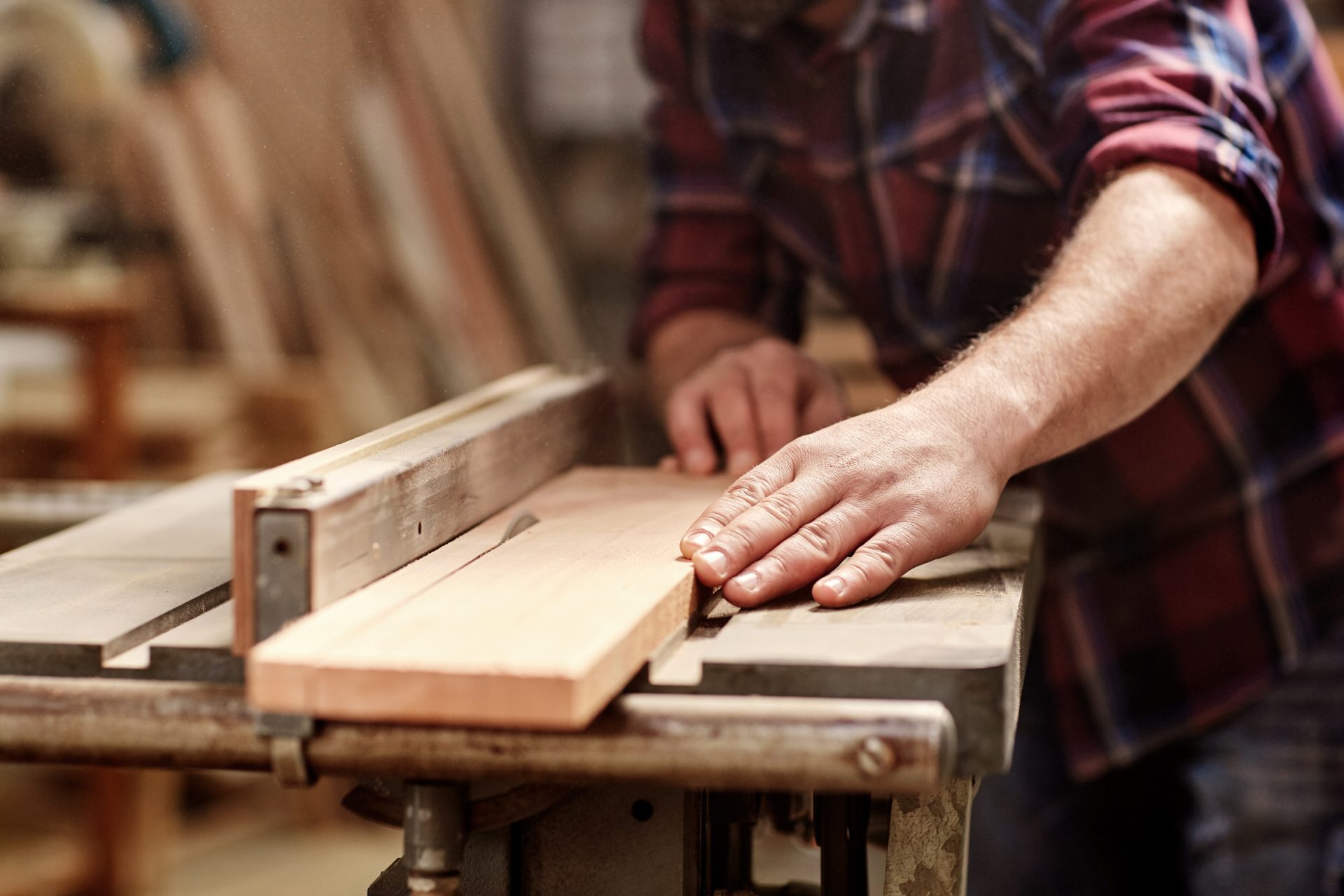
Carpentry has been an essential component of constructing structures since prehistoric times. Cutting, shaping, connecting, and finishing are used to turn raw materials such as wood, plywood, and veneers into useful pieces. Carpentry is still an important part of both home and commercial construction for a variety of compelling reasons, which are addressed here.
Adding Character and Aesthetics to Your Space.
One of the most major benefits of using carpentry services is that it improves the character and beauty of your area. Wooden elements may provide warmth, texture, depth, and character to your house or business, making it more appealing and welcome. Whether you want bespoke cabinets, shelves, doors, stairs, railings, or trim, expert carpenters can provide high-quality workmanship that enhances the individuality and visual appeal of your home. In contrast, mass-produced objects may lack uniqueness and creativity, resulting in bland and uninteresting interiors.
Flexible Customisation Options
Another incentive to consider carpentry is the incredible amount of flexibility and customisation offered when compared to other building materials. Unlike concrete, steel, glass, or plastic, wooden items provide limitless options in terms of size, form, design, colour, and finish. You may choose woods depending on their strength, durability, hardness, density, and attractiveness, such as oak, maple, cherry, walnut, pine, mahogany, teak, and bamboo. Furthermore, diverse joints, fasteners, and joinery methods allow for unique designs and combinations that meet individual needs and expectations. For example, dovetail joints are good for drawer fronts, tongue and groove connections are ideal for panel installations, mortise and tenon cuts are acceptable for door frames, and finger joints are appropriate for cabinet corners. Such fine details demand the experience and accuracy that only professional carpenters possess.
Improving functionality and convenience.
Aside from aesthetics and customisation choices, carpentry also improves utility and ease. Many common goods, such as furniture, appliances, fixtures, and fittings, are significantly reliant on wooden components. Kitchen countertops, dining tables, desks, bookshelves, mattresses, chairs, and storage units all require carpentry expertise. These components may be used for a variety of activities, including serving meals, making drinks, studying, sleeping, entertaining visitors, and keeping possessions. Aside from being appealing and durable, they must also be comfy, ergonomic, and user-friendly in order to satisfy everyday needs effectively. Thus, investing in high-quality carpentry services guarantees optimal efficiency, comfort, and enjoyment.
Enhancing Durability and Longevity
Another advantage of using carpentry services is increased durability and lifespan. High-quality timber, along with cautious handling, exact measurement, correct cutting, thorough fitting, and effective finishing procedures, yields long-lasting and reliable constructions. This translates to less wear and tear, fewer repairs, cheaper replacement costs, and increased overall value. Additionally, lumber is inherently resistant to fire, water damage, mould growth, and insect infestation, lowering the dangers associated with inferior alternatives. As a result, investing in superior carpentry solutions is a prudent decision both now and in the future.
Promoting Environmental Responsibility.
Last but not least, one must consider the environmental impact of carpentry services. As people grow more conscious of climate change and resource conservation, sustainable practices gain popularity throughout the world. Fortunately, properly produced wood is renewable, biodegradable, and recyclable, which reduces trash output and pollution levels. When properly maintained, forests continue to sprout new trees, renewing the supply chain and protecting natural habitats for species. Furthermore, wooden objects can be restored, refurbished, repurposed, or upcycled rather than discarded entirely. This lowers landfill volumes, conserves energy, saves money, and promotes circular economy concepts. As a result, prioritising environmentally sensitive choices in building and remodelling projects encourages responsible citizenship and community participation.
Conclusion
To summarise, carpentry has various advantages for people, families, and organisations seeking to improve the appearance, usefulness, durability, and environmental friendliness of their houses. Skilled artisans combine ancient techniques with cutting-edge technology to create one-of-a-kind pieces that exceed expectations. Built-ins, bookshelves, entertainment centres, islands, pantries, tables, closets, bunk beds, lofts, sliding doors, French doors, windows, window seats, shutters, bannisters, spindles, handrails, balusters, archways, crown mouldings, chair rails, baseboards, wainscotting, decorative panels, picture frames, mantels, corbels, arches, niches, nooks, alcoves, and skirting boards are a few examples. Clients may get best results by working closely with carpenters throughout the process, taking into account their tastes, budgets, and timetables. As a result, it is strongly advised to seek for reputable and trustworthy contractors who provide competitive pricing and excellent customer service.