
Few parts of your car are as important as your braking system, and although front brakes usually get the most attention, rear brake pads are just as important for keeping you safe while driving. You can save money, avoid collisions, and guarantee your car runs at its best for many years to come by knowing how these parts operate, when they need to be replaced, and how to maintain them correctly.
In order to slow down and stop your car, brake callipers, rotors, and rear brake pads are essential parts of the disc braking system. Hydraulic pressure causes the brake callipers to push the rear brake pads against the brake rotors when you depress the brake pedal. This friction turns kinetic energy into thermal energy, which lowers your car’s speed. Precise engineering and high-performance materials that must endure high temperatures and continuous wear are required in this seemingly straightforward procedure.
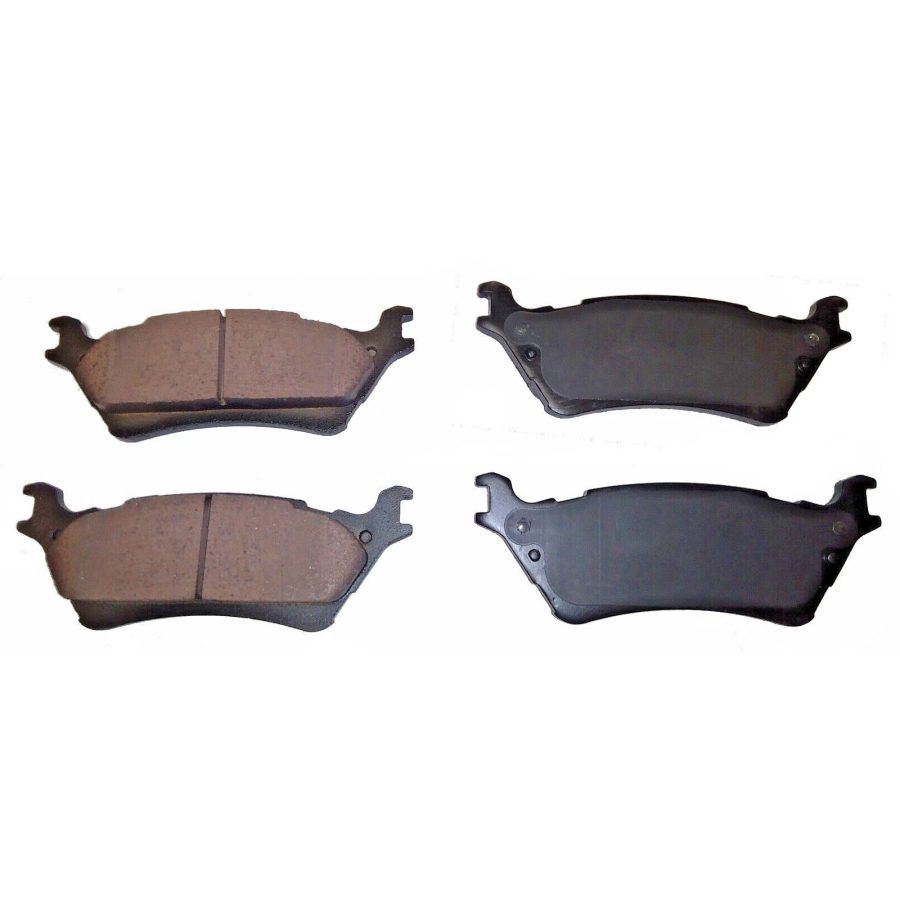
Over the years, the makeup of rear brake pads has changed dramatically. A steel backing plate is usually connected to friction material composed of different compounds in modern rear brake pads. Semi-metallic formulations, ceramic compounds, and organic materials are examples of these friction materials; each has unique benefits and drawbacks. Semi-metallic rear brake pads are popular for performance cars and vehicles utilised in harsh environments because they have metal fibres and offer superior heat dissipation and endurance. While organic rear brake pads give smooth, silent braking but may wear down more quickly than their ceramic equivalents, ceramic rear brake pads operate more quietly and generate less dust.
Because the front brakes provide the majority of stopping force, it is a frequent misperception that rear brake pads are less crucial than front brake pads. Although weight transfer during deceleration usually results in the front brakes providing 60–70% of the entire braking force, rear brake pads are still necessary for balanced, safe stopping. The stopping distance of your car increases greatly when the rear brake pads aren’t working properly, and you run a far higher danger of losing control when braking in an emergency. Additionally, especially in wet or icy circumstances, worn rear brake pads might result in uneven braking, which could cause severe skidding or fishtailing.
Maintaining vehicle safety requires being able to identify the warning indications of worn rear brake pads. Squealing or squeaking sounds made when braking are among the most noticeable signs; these are sometimes brought on by wear indicators integrated into the rear brake pads. When the pad material wears down to a specific thickness, these tiny metal tabs are made to come into contact with the rotor, producing an auditory alert that a replacement is required. Even more severe wear is indicated by grinding noises, which can harm the rotors and necessitate more costly repairs since the rear brake pads have worn all the way through and metal is grinding on metal. Your rear brake pads may also be the cause of decreased braking efficiency, a mushy brake pedal, or pulling to one side when braking.
Depending on driving patterns, vehicle type, and operational conditions, rear brake pads can have a wide range of lifespans. Although some may last longer and others may wear down more quickly, rear brake pads typically last between 40,000 and 70,000 miles. Compared to drivers who mostly drive on highways or in less congested locations, drivers who frequently travel in stop-and-go traffic, make aggressive stops, or carry large loads will notice a faster wear on their rear brake pads. The rate at which rear brake pads deteriorate can also be influenced by environmental elements like moisture, road salt, and severe temperatures.
Your regular car maintenance regimen should include routine inspections of the rear brake pads. The majority of manufacturers advise measuring the thickness of the brake pads during regular maintenance or at least once a year. Although some mechanics advise replacing rear brake pads at four millimetres to retain best braking efficiency, rear brake pads usually need to be replaced when the friction material wears down to about three millimetres thick. Although a good check frequently necessitates removing the wheels for a comprehensive assessment, visual inspection through the wheel spokes can occasionally show the condition of the rear brake pads.
Although it takes mechanical expertise and the right equipment to replace rear brake pads, many car owners with a moderate level of do-it-yourself ability can complete the procedure. However, as incorrect installation of rear brake pads can jeopardise vehicle safety, expert installation is highly advised for individuals who are not familiar with brake system operations. Raising the car, taking off the wheels, pulling back the calliper pistons, taking out the old rear brake pads, checking the rotors and callipers for damage, putting in new rear brake pads, and bedding them in properly are the usual steps in the replacement procedure. For new rear brake pads to work at their best, a process known as bedding-in—a sequence of controlled stops—is necessary to apply a thin layer of friction material to the rotors.
The cost of rear brake pads varies greatly based on the type of vehicle, the material of the pads, and whether you decide to replace them yourself or have them professionally installed. Premium ceramic or performance rear brake pads for luxury or sports automobiles might cost several times more per axle than economy rear brake pads for typical commuter cars. Although professional installation raises the overall cost, it guarantees correct fitment and frequently involves a thorough examination of the complete brake system, which may help find further problems before they worsen. Higher-quality rear brake pads typically last longer and perform better, so it’s a good idea to budget for the total cost of ownership when selecting rear brake pads rather than just going with the cheapest option.
The lifespan of rear brake pads can be greatly increased, and the overall performance of the braking system can be enhanced, with proper maintenance. Maintaining the right amount of fresh brake fluid guarantees steady hydraulic pressure and guards against moisture contamination, which can harm rear brake pads and other parts. Rear brake pads are less likely to wear out prematurely if aggressive driving practices like harsh braking and quick acceleration are avoided. Brake dust accumulation that can impair pad performance and rotor condition can be avoided by routinely cleaning brake wheels and brake components. Furthermore, minor faults with rear brake pads can be avoided from developing into more serious, costly repairs by taking quick care of any strange noises or performance concerns.
When choosing and manufacturing rear brake pads, environmental factors are becoming more and more significant. Asbestos was frequently present in traditional brake pad materials, which presented major health hazards both during production and installation. Although semi-metallic rear brake pads can still contain trace amounts of copper and other metals that are harmful to the environment, modern rear brake pads use safer substitute materials. Regulations restricting specific elements in brake pads have been put in place in some areas, which has prompted manufacturers to create more environmentally friendly formulas for rear brake pads that preserve performance while lessening their impact on the environment.
When scheduling maintenance, the interaction between the rear brake pads and other braking system parts should be taken into account. Rotors may sustain damage from worn rear brake pads, necessitating the simultaneous and more costly replacement of both parts. On the other hand, rotor damage or warping can hasten the wear of the rear brake pads and lessen the efficiency of braking. One side of the rear brake pads may wear down more quickly than the other due to calliper issues like seized pistons or broken seals. The highest long-term value and safety are achieved by a thorough approach to brake system maintenance that takes into account every component collectively rather than concentrating only on rear brake pads separately.
You can choose the best rear brake pads for your needs if you are aware of the particular specifications of your car. Economy cars benefit from rear brake pads that strike a mix between longevity and affordability, while performance vehicles may need high-temperature rear brake pads made to remain effective in harsh environments. Rear brake pads must be designed to withstand increased heat and stress on vehicles that tow or carry big loads. The choice of rear brake pads is also influenced by climate; certain formulations work better in cold, damp situations, while others are best suited for hot, dry ones.
In summary, rear brake pads are an essential safety component that requires routine care and upkeep. You can make sure your car stops safely and dependably for many years to come by knowing how these parts work, spotting wear indicators, selecting the right replacement parts, and keeping your entire braking system in good working order. Whether you decide to replace your rear brake pads yourself or hire a professional mechanic, being aware about this crucial part will keep you safer on the road and possibly save money by avoiding emergency repairs and maintaining your vehicle instead.