
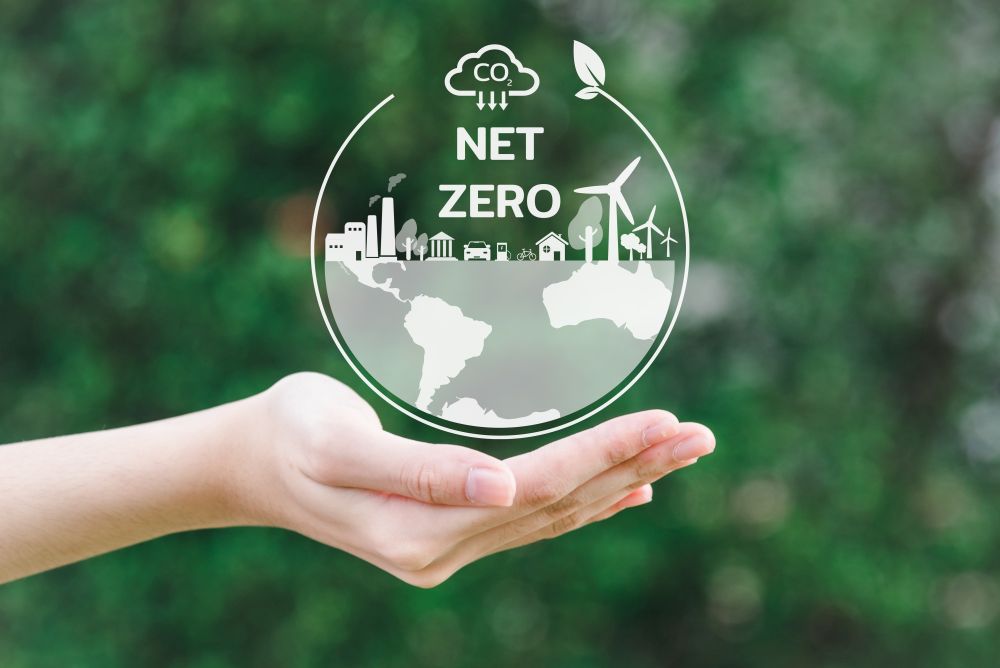
Net Zero has become a very important part of the world conversation about climate change. It means the point where the amount of greenhouse gases put into the air is the same as the amount taken out. Climate change, which is the most important problem of our time, has made it a top priority for governments, businesses, and individuals alike.
Scientists say that the world needs to hit net-zero greenhouse gas emissions to keep the rise in average global temperature to 1.5 °C. By keeping global warming to 1.5 °C or less, we can avoid the worst effects of climate change, like extreme weather events, catastrophic sea-level rise, and the loss of species. To keep this goal, as stated in the Paris Agreement, we must reach “net zero” by 2050.
The sooner countries and businesses accept the idea of a world with no net carbon emissions, the better for the planet. It is a very important step towards making a sustainable and resilient future and lowering climate change risks. This piece will talk about why net-zero is important and what the benefits are of moving towards a sustainable and resilient future.
Cutting down on carbon footprint
Net Zero is important because it helps reduce carbon pollution around the world. The greenhouse gases trap heat in the earth’s atmosphere, which makes the temperature rise all over the world. Burning fossil fuels is a big reason for these emissions, so it’s important to switch to green energy sources like wind, solar, and hydro.
By getting to net-zero pollution, we can cut our use of fossil fuels, which leave a big carbon footprint, by a lot. It will make the surroundings cleaner and healthier and cut down on the bad effects of air pollution. It will also slow down climate change, giving ecosystems and people more time to adjust to the changes without having to deal with any big problems.
Development that will last
To reach goals for sustainable growth, net-zero is a must. The Sustainable Development Goals (SDGs) of the United Nations show how everyone can have a good future. The net-zero goal is in line with SDG 13, which says that immediate action is needed to fight climate change and its effects. This is a chance to make the future more fair and sustainable.
Also, the green energy sources that are so important to getting to net-zero will help with long-term growth, stimulate economies, and create jobs. Unlike traditional energy systems built on fossil fuels, renewable energy can be used to create decentralised energy systems where energy is made and used locally. Decentralisation is an important part of net-zero, which can improve energy access and fairness, especially in areas that aren’t well covered.
Getting rid of risks
Climate change is a big threat to the world economy, and it will have big effects on companies and communities all over the world. Getting to net-zero not only cuts down on carbon pollution, but it also lowers the risks of climate change. By putting the move to a low-carbon economy at the top of their list of priorities, businesses can invest in long-term strategies to make sure their operations stay stable and help the areas where they work.
Also, switching to green energy sources like solar, wind, and hydropower can help businesses depend less on fossil fuels, which can help them avoid price fluctuations. It makes sure there is enough energy and saves money in the long run. By going for net-zero, businesses can protect themselves against the risks and unknowns that come with climate change.
Working together across borders
Getting to net-zero needs people from all over the world to work together. All countries need to work together to stop global warming and make the future more stable. The idea of “net-zero” gives countries a way to work together to fight climate change.
Countries need to make laws and take steps to reduce carbon emissions, invest in renewable energy sources, and protect natural ecosystems. When countries work together, they can share their information, research, and resources, which leads to more fair and effective solutions.
In the end,
Net-zero is an important goal that will make a big difference in limiting the rise in global temperature, supporting sustainable development, and lowering the risks of climate change. To reach net-zero, governments, businesses, and people all need to work together. It will also need a lot of money put into green energy technologies, the creation of new policies and rules, and cooperation between different fields.
The idea of net-zero provides a framework for making a sustainable future, and it must stay a top priority for all stakeholders around the world. If we use these principles in all areas and focus on working together and coming up with new ideas, we can make a big difference in fighting climate change and making sure that future generations will have a good life.