

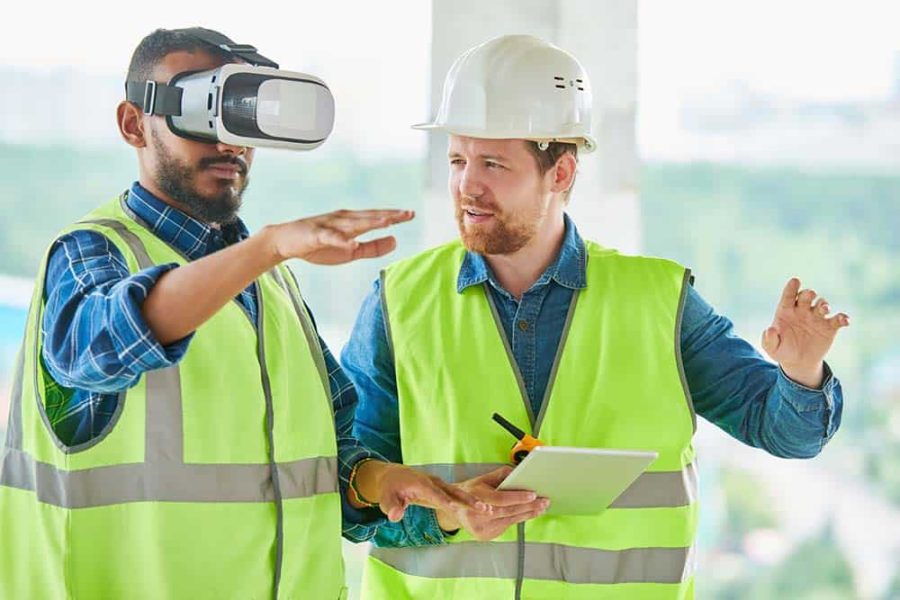
Virtual reality has rapidly transformed how industries approach education, employee training, and professional development. With immersive and interactive environments, VR training provides a unique learning experience that enhances engagement, retention, and overall effectiveness. From technical skills in manufacturing to soft skills in corporate environments, VR training has become a game-changer in how knowledge is transferred and skills are developed.
One of the most significant advantages of VR training is the ability to create realistic simulations without the risks associated with hands-on training in high-stakes environments. Fields such as healthcare, aviation, and construction benefit immensely from VR training, where employees can practice complex procedures without endangering themselves or others. By immersing trainees in a controlled virtual space, mistakes can be made and corrected in real-time, fostering a deeper understanding of processes and protocols.
Traditional training methods often rely on classroom instruction, manuals, or videos, which may not fully engage learners. VR training offers an interactive experience where users actively participate rather than passively consume information. This increased engagement leads to improved information retention, as individuals are more likely to remember skills and concepts they have experienced firsthand. The ability to manipulate objects, navigate environments, and react to simulated scenarios makes learning more dynamic and effective.
Cost efficiency is another major benefit of VR training. While the initial investment in VR technology may seem high, the long-term savings are substantial. Traditional training often requires travel expenses, instructor fees, and the cost of using real equipment, all of which add up over time. VR training eliminates many of these costs by providing a reusable, scalable solution that can be accessed remotely. Employees can train from different locations without the need for physical resources, reducing the financial burden on organizations while maintaining high-quality learning experiences.
Safety and risk reduction are critical aspects of VR training, particularly in industries that involve hazardous environments. Workers in fields such as oil and gas, firefighting, and electrical engineering can train for emergency situations without being exposed to real-world dangers. Simulating hazardous scenarios prepares employees for high-pressure situations, allowing them to develop quick decision-making skills and the confidence needed to handle real emergencies. This proactive approach to training significantly reduces workplace accidents and enhances overall safety standards.
The flexibility of VR training makes it an invaluable tool for organizations with diverse training needs. Whether onboarding new employees, upskilling existing workers, or conducting compliance training, VR offers customizable programs tailored to specific industries and job roles. Training modules can be adjusted to meet individual learning paces, ensuring that all participants receive the necessary level of instruction. The ability to repeat training sessions without additional costs or risks further reinforces knowledge retention and skill mastery.
Remote accessibility is another major advantage of VR training, particularly in an era where remote work and decentralized teams are increasingly common. Employees no longer need to be physically present in a training facility to participate in hands-on learning experiences. Virtual reality allows for collaborative training sessions where individuals can interact with instructors and peers in a shared digital space. This accessibility ensures that even geographically dispersed teams receive consistent, high-quality training, improving overall workforce efficiency.
The use of VR training also supports data-driven learning. Unlike traditional training methods that rely on subjective assessments, VR allows for real-time data collection and performance tracking. Trainees’ actions, decision-making processes, and response times can be recorded and analyzed to identify strengths and areas for improvement. This data-driven approach enables instructors to provide personalized feedback, refining training programs to better meet the needs of learners. Businesses and organizations can use these insights to optimize training outcomes and ensure that employees are fully prepared for their roles.
Soft skills development is another area where VR training proves to be highly effective. While many associate virtual reality with technical training, it is equally valuable in enhancing interpersonal skills such as leadership, communication, and conflict resolution. Employees can engage in simulated real-world interactions, allowing them to practice difficult conversations, customer service scenarios, and teamwork exercises. By experiencing these situations in a risk-free environment, individuals build confidence and improve their ability to handle real-life challenges with professionalism and competence.
Employee retention and satisfaction are positively influenced by the implementation of VR training. Traditional training methods can often feel monotonous and uninspiring, leading to disengagement and reduced learning effectiveness. The immersive nature of VR makes training more enjoyable and interactive, increasing motivation among employees. Organizations that invest in cutting-edge training technologies demonstrate a commitment to professional development, leading to higher job satisfaction and lower turnover rates. Engaged employees are more likely to remain with companies that prioritize innovative and effective learning experiences.
Adaptability is a key advantage of VR training, allowing organizations to keep pace with rapidly changing industries. As new regulations, technologies, and procedures emerge, training programs can be updated quickly without the need for extensive classroom-based retraining. This agility is particularly beneficial in industries such as healthcare, where medical procedures and protocols continuously evolve. Keeping employees up to date with the latest knowledge and best practices ensures that businesses remain competitive and compliant with industry standards.
Cultural and language barriers can also be addressed through VR training. Multinational organizations with employees from diverse backgrounds often face challenges in delivering standardized training programs. Virtual reality can offer multilingual options, visual learning experiences, and customizable modules that cater to different learning styles. This inclusivity ensures that all employees, regardless of language proficiency or cultural background, receive effective and accessible training that aligns with their needs.
Customer experience and service quality benefit significantly from VR training as well. Businesses that rely on customer interactions, such as retail, hospitality, and healthcare, use VR simulations to train employees in handling various customer scenarios. Practicing responses to different customer needs, complaints, and requests in a simulated setting improves service quality and customer satisfaction. Employees who have undergone VR training are better equipped to handle real-world interactions with confidence and professionalism.
Industry-specific applications of VR training continue to expand as technology advances. In healthcare, medical professionals can practice surgeries, patient interactions, and emergency response procedures in a fully immersive environment. In aviation, pilots and cabin crew train using realistic flight simulations that replicate real-world conditions. In manufacturing, workers can familiarize themselves with machinery, assembly line procedures, and safety protocols without disrupting production. These applications demonstrate the versatility and effectiveness of VR training across a wide range of sectors.
Sustainability is another factor that makes VR training an attractive choice for modern organizations. Traditional training methods often require printed materials, physical travel, and the use of consumable resources. Virtual reality significantly reduces waste and carbon footprints by providing a fully digital training environment. Companies that prioritize environmentally friendly practices can integrate VR training into their sustainability initiatives, aligning technological advancement with corporate responsibility.
The future of training and education is undeniably being shaped by the continued adoption of virtual reality. The combination of immersive learning experiences, real-time data analysis, and cost-effective scalability positions VR training as a leading solution for workforce development. As industries evolve, the ability to provide flexible, engaging, and efficient training methods will be essential for maintaining high performance and competitive advantage.
Organizations that embrace VR training gain a significant edge in employee preparedness, safety, and skill development. By leveraging the power of virtual reality, businesses create highly effective learning environments that not only enhance individual capabilities but also contribute to overall operational success. As this technology continues to evolve, the potential for innovation in training and development will only expand, making VR training an indispensable tool for the future of workforce education.