

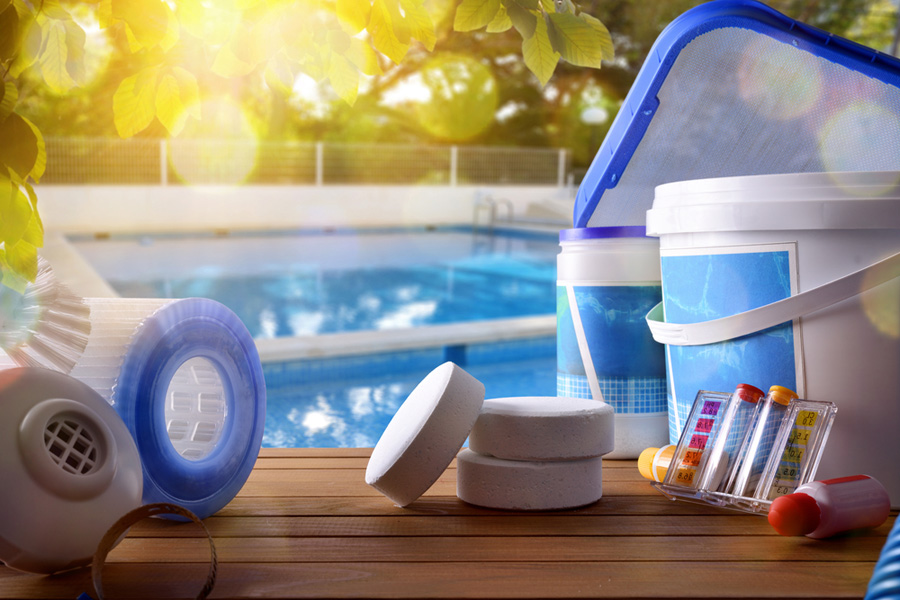
Your swimming pool is an investment deserving of attention; it’s a glittering sanctuary in your backyard that offers limitless summer entertainment. But below its outward beauty is a great responsibility: pool care. Far from a hassle, it’s the foundation of a clean, safe, and fun pool experience. Not to mention preserving the health and welfare of everyone who swims, knowing its value may make all the difference between glistening blue water and a muddy green mess.
Hygiene is one of the key causes of the great importance of swimming pool maintenance. Consider a swimming pool as basically a big body of water often visited by many people exposed to the elements. Inappropriate maintenance lets germs like bacteria, algae, and other unwelcome species flourish. Not optional extras, regular cleaning, filtration, and chemical balancing are rather necessary habits that stop the development of waterborne diseases and provide a safe swimming environment.
Beyond cleanliness, care of swimming pools is quite important in preserving your investment. A pool is a large financial commitment, hence disregarding its maintenance might result in expensive repairs or maybe early replacement. Regular cleaning helps to avoid the accumulation of dirt and trash that could over time compromise the surface or pool liner. Correct water chemistry stops corrosion and scaling that could affect the structure and equipment of the pool, including filters and pumps.
Let’s explore more the particular elements of swimming pool care and their importance. One should first give water testing top priority. Frequent monitoring of the pH balance, chlorine levels, and alkalinity of the water provide essential knowledge on its chemical composition. In addition to making the water unpleasant for swimming in, imbalances compromise hygienic efficiency of sanitisers, therefore aggravating skin and eyes.
Filtration is yet another essential component of swimming pool upkeep. Eliminating trash, filth, and pollutants from the water, the pool’s filter functions as its kidneys. By means of regular cleaning and backwashing of the filter, its performance is guaranteed, thus enabling it to effectively circulate and purify the water, so maintaining its crystal clarity and appeal.
Not less critical are brushing and skimming practices. Although skimming the water’s surface to remove leaves, insects, and other trash seems like a solely cosmetic endeavour, it helps to prevent them from settling to the bottom and decaying, therefore upsetting the water chemistry. Brushing the floor and pool walls helps to avoid the accumulation of slime and algae, therefore promoting a more aesthetically pleasing pool.
One cannot stress the part chemical treatments play in maintaining swimming pools. The most often used sanitiser, chlorine provides initial defence against dangerous germs and algae. Maintaining appropriate chlorine levels guarantees a sanitary and safe swimming area. But alone, chlorine is insufficient. While clarifiers attach to tiny particles, allowing the filter to collect them more easily and produce sparkling clean water, algaecides stop ugly algae blooms.
The advantages of regular swimming pool care go beyond only financial protection and obvious hygienic standards. A pool kept up provides peace of mind. It gives great comfort to know that your family and friends are in a secure and healthy environment you are creating. Moreover, a perfectly clean pool improves the look of your backyard and provides a friendly and restful haven to enjoy throughout swimming season.
Maintenance of swimming pools need not be an undulating task. Easy maintenance of a safe, clean, and fun swimming environment depends on including basic, consistent habits into your schedule. Get ready with the equipment and information you need, set aside some time every week, and enjoy the many benefits of a well-kept swimming pool: sparkling water, a better surroundings, and many hours of sun-based enjoyment.