

A person’s total well-being is greatly influenced by their mental health, and as mental health disorders become more widely recognised, so does the need for a variety of efficient support services. Thankfully, the field of mental health assistance has advanced rapidly in recent times, providing a variety of therapies customised to meet the specific needs of each client. We will examine many forms of mental health support in this article, including community-based efforts, new technological solutions, and classic clinical treatments.
Conventional Therapeutic Methods:
a. Counselling for psychotherapy:
The cornerstone of mental health support is psychotherapy, sometimes known as talk therapy. It entails discussions to examine ideas, emotions, and behaviours between people and qualified experts. Diverse requirements are met by many techniques, including interpersonal therapy, psychodynamic therapy, and cognitive-behavioral therapy (CBT). The goal of psychotherapy is to give people a secure environment in which they can express themselves, learn new things, and create coping mechanisms.
b. Drugs:
Medication can be an essential part of treatment for mental health issues that have a chemical imbalance at their core. Among other things, psychiatrists prescribe mood stabilisers, antipsychotics, antidepressants, and anti-anxiety drugs. Psychotherapy and medication are frequently used in tandem to address the psychological as well as biological components of mental health.
c. Assistance Teams:
Support groups unite people who are going through comparable difficulties, fostering a community where empathy and understanding are fostered by shared experiences. Support groups, whether they are centred on specific mental health illnesses, bereavement counselling, or addiction recovery, foster a sense of community and lessen feelings of loneliness.
Technological Advancements in Supporting Mental Health:
a. Telemedicine:
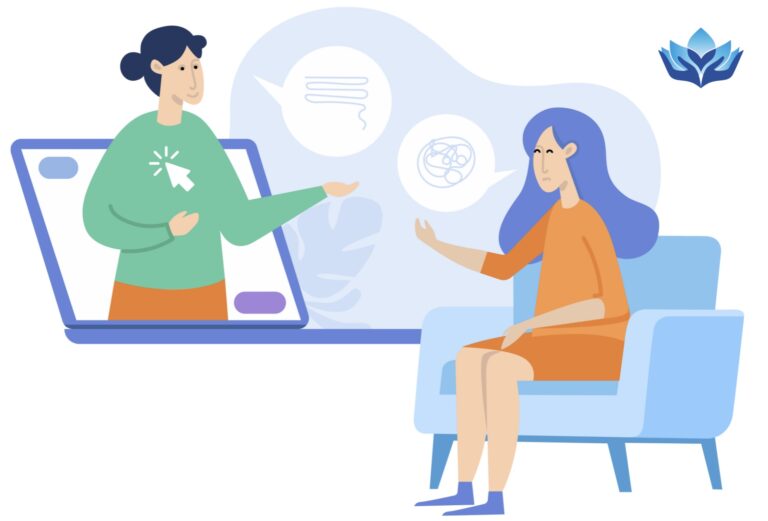
Technological developments have led to the development of teletherapy, which enables people to receive mental health services at a distance. Therapists can communicate with clients from the comfort of their homes via video calls, phone sessions, or messaging apps. Accessibility is increased by teletherapy, especially for those who live in remote places or have mobility issues.
Apps for Mental Health:
The abundance of mental health applications provides people with a practical means of taking control of their wellbeing. These applications frequently come with tools like coping mechanisms, guided meditation, and mood tracking. Some even arrange virtual sessions between users and certified therapists, offering a flexible and individualised method of mental health support.
c. Virtual Reality Intervention:
An emerging technology called virtual reality (VR) therapy immerses patients in computer-generated worlds to treat particular mental health conditions. It works especially well for treating anxiety disorders, phobias, and post-traumatic stress disorder (PTSD). In a safe and therapeutic environment, people can confront and process difficult events with the help of virtual reality therapy.
Alternative and Holistic Methods:
a. Meditation and Mindfulness:
The benefits of mindfulness and meditation for mental health are becoming more widely acknowledged. By encouraging people to concentrate on the here and now, these methods lower stress and enhance general wellbeing. Many different mental health issues are treated using mindfulness-based therapies, like Mindfulness-Based Stress Reduction (MBSR).
b. Music and Art Therapy:
The expressive potential of creative outlets is harnessed by art and music therapy to advance recovery. These techniques are very helpful for people who might have trouble expressing their feelings verbally. Self-discovery and emotional expression can be facilitated by participating in creative or musical endeavours.
c. Movement Therapies and Yoga:
The foundation of holistic mental health care is the mind-body link. To improve mental health, techniques like yoga, tai chi, and dance therapy combine breathing techniques, physical activity, and mindfulness. These exercises encourage calmness, a reduction in stress, and equilibrium.
Community-Based Projects:
a. Peer Assistance Initiatives:
Through peer support programmes, those who have personally experienced mental health difficulties can offer advice and understanding to others going through a similar situation. Peer support makes people feel like they belong and lets them know they’re not the only ones going through difficult times. Online resources, community centres, and mental health clinics frequently offer these programmes.
b. Programmes for Workplace Mental Health:
Many organisations now provide mental health programmes in recognition of the impact that mental health has on employee well-being and productivity. Counselling services, stress management classes, and workplace rules that prioritise mental health are a few examples of these approaches. Developing a welcoming workplace atmosphere lowers stigma and promotes candid discussions about mental health.
c. Initiatives for Education and Awareness:
Dispelling falsehoods and lowering stigma require promoting mental health literacy. Educational campaigns seek to raise awareness of mental health concerns, tell people about resources for help, and promote early intervention in communities, workplaces, and schools.
In summary:
The variety of mental health support options available reflects both the distinct requirements of each person and the growing body of knowledge regarding mental health. The variety of support services offered guarantees that people can discover interventions that align with their preferences and situation. These include community-based programmes, holistic and alternative therapies, technological advancements, and traditional therapeutic approaches.
Future mental health support services will probably be even more efficient and easily available as long as society continues to place a high priority on mental health. This will probably be achieved by further study and cooperation between mental health experts, tech developers, and community advocates. We can build a more welcoming and encouraging environment for people on their path to mental well-being by embracing this diversity.