

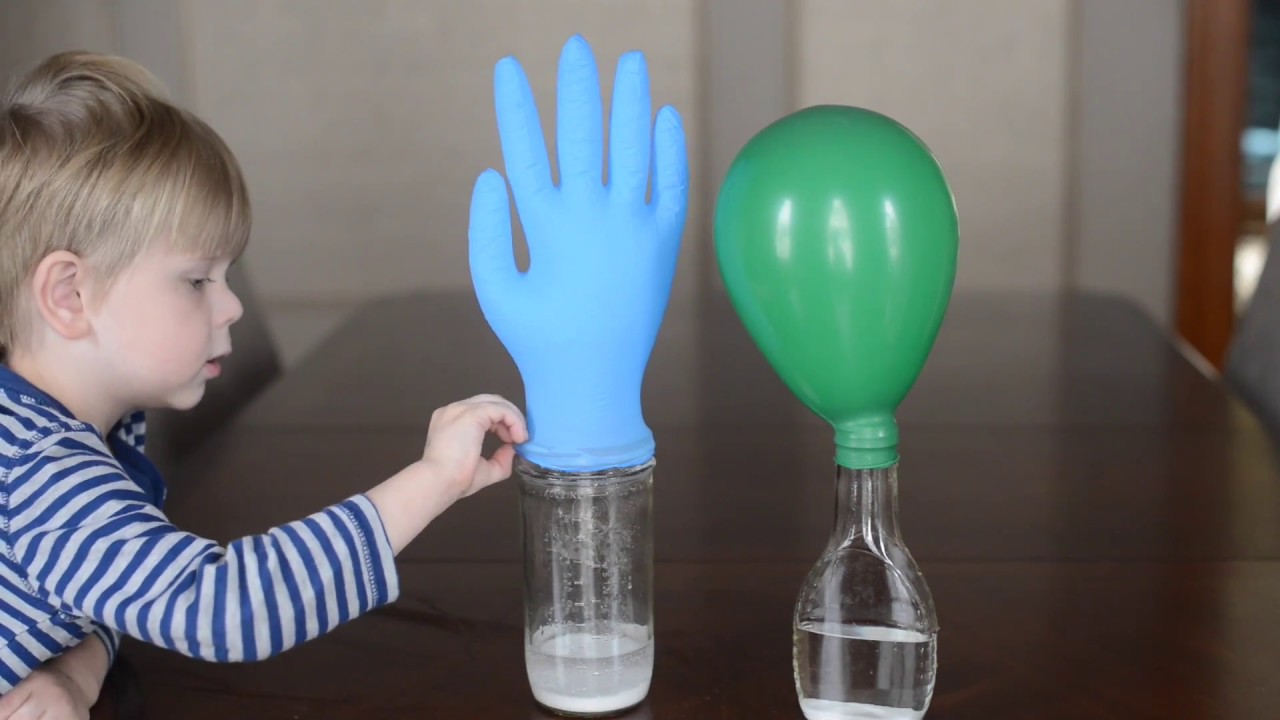
Science plays a crucial role in shaping our understanding of the world around us. It not only helps us comprehend the intricate complexities of nature but also lays the foundation for technological advancements that improve our daily lives. As a result, it is essential to nurture a passion for science among children at a young age. Children’s science camps are a fun and engaging way to achieve this goal. In this article, we will explore the popularity of children’s science camps and why they are essential for fostering scientific curiosity among young minds.
The Fascinating World of Science
Science is a fascinating subject that offers a unique window into the world. It encompasses a wide range of fields, including biology, chemistry, physics, and earth science, all of which have their unique aspects and applications. Children’s science camps provide a hands-on and experiential learning experience that enables young learners to explore the wonders of science in a fun and interactive way.
The Benefits of Science Camps for Children
Science camps have become increasingly popular over the years, and for good reason. They offer a range of benefits that make them an essential component of a well-rounded education. Some of these benefits include:
- Hands-on Learning: Science camps provide children with the opportunity to engage in hands-on, experiential learning. Through experiments, demonstrations, and activities, children can learn about the scientific method, problem-solving, and critical thinking skills. This type of learning is not only more engaging but also more memorable than traditional classroom-based learning.
- Scientific Literacy: A science camp helps to develop scientific literacy among children. They introduce young learners to the key concepts and principles of science, which can help them make informed decisions about their health, environment, and the world around them.
- Confidence Building: Science camps offer a safe and supportive environment for children to develop their self-confidence and self-esteem. They can learn new skills, take on new challenges, and collaborate with other like-minded individuals, all of which can help them build self-confidence and self-esteem.
- Social Skills Development: Science camps offer children the opportunity to develop social skills that are essential for success in both academic and personal life. They learn how to communicate, cooperate, and work in teams, which can help them build stronger relationships and achieve common goals.
- Career Exploration: Science camps can serve as a stepping stone for children who are interested in pursuing a career in science. They offer an opportunity for young learners to explore different science fields and learn about the educational and career pathways that are available to them.
- Love for Learning: Science camps help to foster a love for learning among children. They offer a fun and enjoyable way for young learners to explore the wonders of science, which can help to develop a lifelong passion for learning.
Why Children’s Science Camps are Popular
Children’s science camps are popular for a variety of reasons. Some of the factors that contribute to their popularity include:
- Engaging and Experiential Learning: Science camps offer an engaging and experiential learning experience that is both fun and memorable. Children get to participate in hands-on activities, demonstrations, and experiments, which can make learning about science more enjoyable and memorable.
- Safe and Supportive Environment: Science camps offer a safe and supportive environment for children to learn and grow. They are staffed by trained professionals who are passionate about science and dedicated to helping young learners achieve their goals.
- Outdoor Learning: Science camps often take place in outdoor settings, which provides children with a unique opportunity to learn about the natural world. They can explore nature, observe wildlife, and learn about the environment in an immersive way. The outdoor learning experience can also help to foster a love for the environment and a respect for the natural world.
- Mentorship Opportunities: Science camps offer children the opportunity to work with mentors who are passionate about science and have extensive knowledge in their field. These mentors can inspire young learners, offer guidance, and help them develop their scientific skills.
- Personalized Attention: Science camps offer personalized attention to each child, which can help to address their unique learning needs. Camp staff can work with children to develop individualized learning plans that cater to their interests and skill levels.
- Social and Cultural Experiences: Science camps often provide children with the opportunity to learn about different cultures and social groups. They can work with children from diverse backgrounds, which can help to promote understanding, tolerance, and inclusivity.
- Affordable Learning Opportunities: Science camps offer affordable learning opportunities for children who may not have access to science education outside of school. Camp tuition is often more affordable than private science programs, making them accessible to a wider range of families.
- Positive Learning Outcomes: Science camps have been shown to have positive learning outcomes for children. Research has shown that children who attend science camps have improved academic performance, increased scientific literacy, and enhanced self-confidence and self-esteem.
The Importance of Science Education
Science education is essential for developing the skills and knowledge that are necessary for success in the modern world. It helps to prepare children for careers in science, technology, engineering, and mathematics (STEM), which are among the fastest-growing and most in-demand fields in the job market. Science education also helps to develop critical thinking, problem-solving, and communication skills that are essential for success in all areas of life.
Conclusion
Science camps are a fun and engaging way for children to explore the wonders of science. They offer a range of benefits, including hands-on learning, scientific literacy, confidence building, social skills development, career exploration, and a love for learning. The popularity of science camps is due to their engaging and experiential learning experiences, safe and supportive environments, outdoor learning opportunities, mentorship, personalized attention, social and cultural experiences, affordability, and positive learning outcomes.
Science education is essential for developing the skills and knowledge that are necessary for success in the modern world. Children’s science camps play a crucial role in fostering a passion for science among young minds, which can help to ensure that future generations have the knowledge and skills necessary to continue advancing scientific discoveries and technological advancements.
If you are a parent, teacher, or educational institution looking for ways to enhance your child’s science education, consider enrolling them in a science camp. With a wide range of options available, there is sure to be a camp that caters to your child’s interests and needs. Whether your child is interested in biology, chemistry, physics, or earth science, a science camp can provide them with an immersive and engaging learning experience that will leave a lasting impact on their educational journey.
The Science of Sound
Weatherill House, Business Centre, 23 Whitestone Way, Croydon CR0 4WF
020 3148 4488
scienceofsound.co.uk