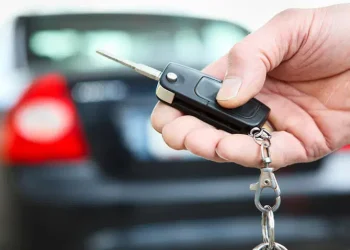


When a key is lost, broken or stolen the immediate priority is to get a replacement that will work right away. Equally important—though sometimes overlooked—is choosing a replacement that suits the vehicle owner’s longer-term needs. Design choices made at the point of replacement affect durability, convenience, security and cost over months and years. Thinking beyond the emergency and planning for ongoing usefulness is a practical way to make a single intervention deliver lasting value.
Understanding Key Types and Their Practical Implications
Modern vehicles use several distinct key formats: a basic metal blade, a transponder key with an immobiliser chip, remote fobs with buttons for locks and boot release, and fully keyless smart systems. Each type brings different maintenance concerns and potential upsides. A metal blade is straightforward to replace and inexpensive to cut, while a transponder key adds an electronic element that prevents hot-wiring but requires correct programming. Remote fobs and smart keys increase convenience but may need battery replacement, more complex programming and, occasionally, specialist diagnostic equipment. Choosing the appropriate format for replacement depends on the owner’s priorities—simplicity and cost, or convenience and enhanced security.
Materials and Finish: Small Choices with Big Payoffs
The physical design of a replacement key contributes directly to its lifespan. Hard-wearing metals, corrosion-resistant coatings and reinforced plastic housings help keys survive daily use in pockets, bags and gloveboxes. Attention to details such as a solid split-ring attachment point and a well-sealed fob housing reduces the chance of breakage or moisture ingress. For remote fobs, a design that keeps the battery accessible without delicate lubricants or adhesives makes routine maintenance easier. These material choices limit the need for future repairs and can be especially valuable for owners who rely on their vehicle daily.
Electronic Design: Compatibility and Future-Proofing
Electronics are where many replacement decisions become technical. Transponder chips differ between manufacturers and model years; coding methods can vary from simple cloning to full dealer-level programming that writes unique identifiers to a vehicle’s immobiliser. When replacing a key, it is useful to understand whether the new key will be a direct clone, a freshly programmed key, or a hybrid solution using an emulator or adaptor. Opting for a replacement that is compatible with the vehicle’s immobiliser and any existing spare keys avoids niggles such as inconsistent recognition or the need to reprogram all keys later.
For motorists seeking practical options, a simple online search for car key replacement often reveals local mobile specialists who can explain compatible electronic choices and complete coding at the roadside.
Spare Key Strategy: Where Design Meets Practical Planning
Design decisions are not purely technical: they should also reflect a sensible spare-key strategy. A well-chosen spare combines durable materials with the same electronic compatibility as the primary key, so it can be used immediately if needed. It is wise to order a spare at the time of replacement; doing so usually costs less than commissioning a separate service later. Consider how many spares you need—one household might prefer two spares (one for the family member and one kept safely at home), while a business with multiple drivers may choose a central, clearly labelled fleet key with restricted access.
Security Features That Add Long-Term Value
Security design choices should balance convenience with protection. Rolling codes, encrypted transponders and tamper-resistant housings all raise the bar for opportunistic theft. While certain advanced features may add to the upfront cost of a replacement, they also reduce the odds of future incidents and insurance complications. Choosing a replacement key that adheres to the original security standards of the vehicle preserves the manufacturer’s intended protection and ensures predictable behaviour when interacting with immobilisers, central locking and alarm systems.
Ignition and Steering Lock Considerations
A replacement key interacts mechanically as well as electronically with a vehicle’s ignition barrel and, in many models, the steering lock. When a key has been replaced following wear or damage, it is sensible to inspect the ignition barrel and steering column for signs of wear. An ergonomically shaped key that engages smoothly reduces pressure on tumblers and electronic contacts, extending the life of both key and ignition components. Where ignition barrels show wear or sticking, selecting a replacement key compatible with a future barrel replacement can save repeated programming work.
Design Choices for Commercial and Fleet Vehicles
For van drivers and businesses operating fleets, the design of replacement keys should support operational resilience. Consider master-key arrangements, removable key-fob housings that can be swapped if individual fobs fail, and centralised spares storage with clear labelling. Specification choices that make keys simple to cut and reprogramme on-site reduce downtime for drivers. A standardised approach across a fleet—using the same type of fob or blade profile where possible—simplifies key management and makes long-term servicing more predictable and cost-effective.
Choosing a Service That Matches Your Design Priorities
Not all locksmiths offer the same range of design options. Some specialise in mechanical key cutting, others in electronic programming or diagnostic work on immobilisers and control modules. When arranging replacement work, ask about the available key formats, the materials used for housings, whether the supplier can supply a spare on the same visit, and what kind of warranty is offered on parts and labour. In many cases, a mobile technician who can cut and programme keys at your location will deliver the best combination of convenience and design choice, avoiding the need for vehicle recovery or lengthy dealer appointments.
Practical Preparation and What to Expect During Replacement
Preparing for a planned replacement makes the service more efficient. Have the vehicle registration and proof of ownership to hand; know whether you possess any working keys or only documentation; and note the vehicle make, model and year. These details help the technician select the correct blank, transponder and programming approach at the first visit. Expect the technician to offer a choice of housings and confirm the programming method before work begins so you can make an informed choice about durability, convenience and cost.
Maintaining Replacement Keys for Long-Term Performance
After replacement, small maintenance habits extend a key’s usable life. Swap batteries in remote fobs proactively, avoid leaving keys in damp pockets, and use an appropriate protective cover if the fob will spend time on a bunch with heavy items. For fleets, rotating spares into service regularly helps identify wear early. Where keys are integral to vehicle security systems, keep records of serials and programming history in case further work is needed—this saves time if additional keys are required later.
Final Thought: Design Choices Pay Off over Time
Replacement keys are more than temporary fixes; they are functional tools that form part of a vehicle’s ongoing security and convenience. Prioritising thoughtful design choices—material quality, electronic compatibility, spare strategy and maintenance—transforms a one-off service into long-term value. Whether you are a private motorist or manage a small fleet, selecting the right key design at the outset reduces hassle, lowers lifecycle costs and helps your vehicle stay reliable on the road.
Get in Touch:
247 Auto Locksmith Services LTD
United Kingdom
07921 365247
247autolocksmith.co.uk