

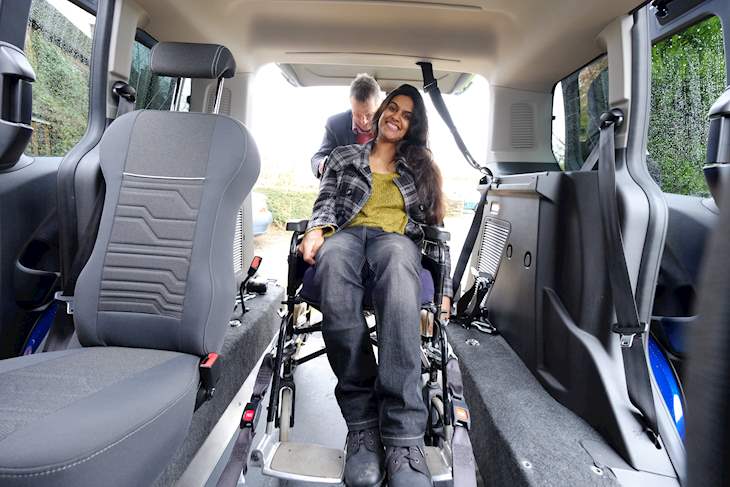
Disabilities come in different forms, affecting individuals in varying degrees. One of the most significant challenges faced by persons living with disabilities is limited mobility, making everyday activities challenging if not impossible. From getting around town to traveling across states, accessibility has been a critical issue for many disabled individuals worldwide. However, thanks to technological advancements over the years, disability vehicles now offer a lifeline to those with restricted mobility, helping them maintain independence and dignity. In this comprehensive article, we delve into how these specially designed automobiles aid people with limitations in movement, providing insightful information about their features, functions, and benefits.
Types of Disability Vehicles
Disability cars encompass a broad spectrum of customized vehicles tailored explicitly to meet the unique needs of differently abled individuals. They include handicap vans, wheelchair accessible minivans, wheelchair transport cars, and modified SUVs, among others. Here’s an overview of some popular models available today:
Handicap Vans
Also known as conversion vans, these types of vehicles provide ample space for passengers confined to wheelchairs. Manufactured specifically for disabled individuals, they feature ramps instead of steps, enabling easy ingress and egress for wheelchair users. Handicap vans also come equipped with secure tie-down points to safely restrain wheelchairs during transportation, minimizing the risks involved in sudden stops, starts, turns, or collisions. Other notable features include spacious interiors, sliding doors for wider entryways, and automated driving systems for added convenience and comfort.
Wheelchair Accessible Minivans
These compact vehicles share similar design elements with standard minivans, except for modifications aimed at accommodating wheelchair users. They often incorporate foldaway seats to create sufficient room for manual or motorized chairs, along with adjustable floor heights and ramp systems for ease of boarding and alighting. Wheelchair accessible minivans are particularly useful in urban areas where parking spaces are scarce, given their smaller size compared to larger conversion vans.
Modified SUVs
For people who prefer sport utility vehicles due to personal preference or terrain-specific reasons, manufacturers offer customizable options to suit their special needs. Modified SUVs typically involve raised roofs, widened door openings, lower floors, and reinforced suspension systems capable of supporting heavy-duty wheelchairs. Customization may also entail installing swivel seats, hoists, or power-operated lift gates for increased flexibility and functionality.
Benefits of Disability Cars
Beyond offering practical solutions for people with impaired mobility, disability cars present numerous advantages, including:
- Increased Independence and Freedom
One of the most apparent benefits of disability cars is the heightened sense of freedom and self-reliance they afford disabled individuals. With the ability to travel farther distances without assistance, users can take control of their schedules, attend events independently, visit friends and family, and explore new places. This heightened autonomy significantly boosts morale, reduces dependence on caregivers, and fosters greater social inclusion.
- Enhanced Comfort and Convenience
Disability cars prioritize user experience, incorporating ergonomics and amenities that cater to diverse preferences. Features such as climate control, audio/visual entertainment systems, leather upholstery, heated seats, power steering, automatic transmission, and anti-lock brakes add to the overall comfort level enjoyed inside the car. Additionally, electronic adjustments for seatbelt positioning and headrest angles contribute to safer seating positions, especially important for older adults with limited neck strength.
- Reduced Transportation Expenses
The high costs associated with traditional modes of public transit, taxis, and ride-sharing services make owning a disability vehicle an economically viable alternative for many disabled individuals. While prices vary widely depending on factors such as manufacturer, model year, mileage, and location, buying or leasing a handicapped van can be cheaper than recurrent payments required for hired transport. Moreover, the lack of waiting times, surcharges, or fares allows users to save considerably over extended periods.
- Promotes Community Engagement
Apart from meeting basic needs, disability cars facilitate active community engagement by facilitating participation in local events, sports programs, religious gatherings, and educational institutions. The availability of reliable, convenient transportation makes it easier for disabled individuals to interact socially and develop relationships, reducing feelings of isolation and alienation. Additionally, having the means to commute to job interviews, conferences, and training sessions improves employment prospects and career development opportunities, thereby enhancing financial stability and quality of life.
- Boosts Safety and Security
Safety concerns have long plagued disabled individuals when using conventional transport methods. Whether it’s navigating stairs, negotiating narrow passageways, climbing onto buses, or crossing busy streets, safety hazards are widespread. Disability cars minimize these risks through advanced technologies such as backup cameras, blind spot monitoring, lane departure warnings, and collision avoidance systems. Furthermore, specialized security measures like keyless entries, alarm systems, and remote locking capabilities ensure maximum protection against theft, break-ins, and unauthorized access.
Conclusion
In conclusion, disability cars represent a transformative technology that empowers differently abled individuals to lead more independent, fulfilling lives while promoting community integration, safety, and economic growth. Through cutting-edge innovations and customization features, manufacturers aim to address specific needs identified within various disability categories, thereby improving accessibility levels and expanding horizons for millions of affected individuals globally. As society continues its quest towards inclusiveness, disability cars will undoubtedly play a pivotal role in achieving greater parity, equality, and human rights for all.
GowringsVersa Mobility
Daytona Dr, Thatcham RG19 4ZD
0345 608 8020
gowringsversamobility.co.uk