

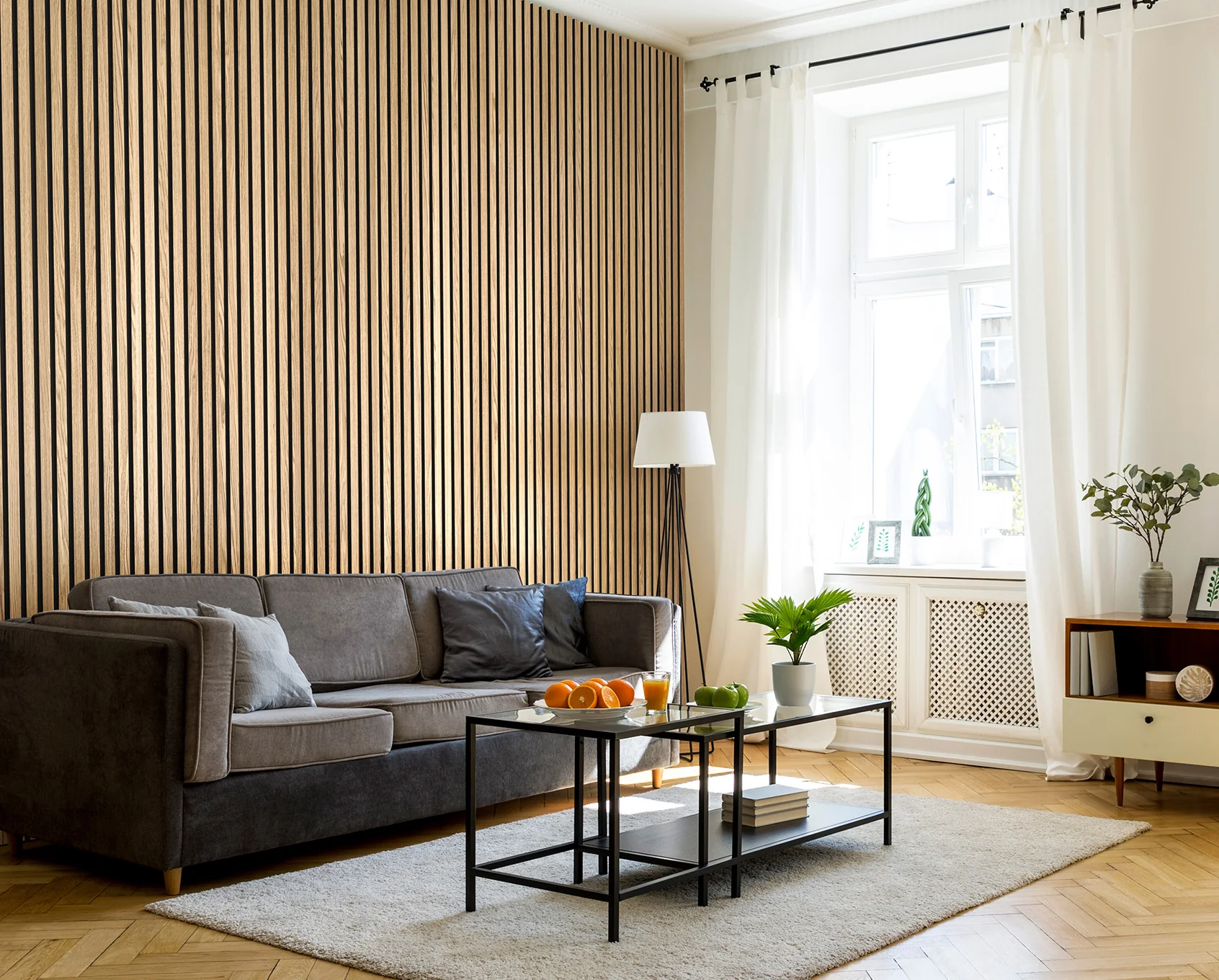
In a world that is becoming more and more dominated by noise, the pursuit of tranquilly and the highest possible sound quality has become a luxury that is much sought after. Acoustic panelling, which is a solution that is both adaptable and unique, provides a strong instrument that may reduce the level of noise in a place and make it more peaceful.
The notion that behind acoustic panelling is straightforward: these panels are able to efficiently regulate sound inside a room by carefully managing the reflection and absorption of sound waves. This manipulation is made possible by the one-of-a-kind characteristics of the materials that are utilised in the production of acoustic panelling.
These materials, which are frequently a mix of dense materials and porous absorbers, interact with sound waves in a variety of distinct ways. Sound energy is efficiently dampened by porous absorbers, such as foam or cloth, since these absorbers are able to trap sound energy inside their complicated structures. Dense materials, such as wood or plasterboard, have the ability to reflect sound waves, which helps to deflect them away from sensitive regions and prevents undesired reverberation.
The purpose of acoustic panelling extends well beyond just reducing noise. It makes it possible to meticulously customise the sound inside a venue, which guarantees clarity and guarantees the best possible listening experiences. Acoustic panelling is an extremely useful tool that may be utilised in a wide range of settings, including recording studios, music halls, businesses, and even private residences.
The installation of acoustic panelling in recording studios is an essential component in the process of producing high-quality sound recordings. Echoes and undesired reflections may be eliminated by engineers by the strategic application of various forms of acoustic panelling, which allows for the capture of audio signals that are clear and unadulterated. It is very necessary to have such careful control over the sound in order to produce recordings that are not just clear but also dynamic.
In a similar vein, acoustic panelling is an important component in concert halls and auditoriums, since it guarantees audience members receive the most effective sound dispersion possible. Sound engineers are able to create an immersive experience by carefully arranging panels. This allows them to ensure that every seat provides a balanced and satisfying acoustic experience.
Outside of the realm of professional audio installations, acoustic panelling may be utilised in a variety of settings. The installation of acoustic panelling in workplaces has the potential to considerably boost productivity by lowering levels of distracting noise and improving attention. Using acoustic panelling, busy workplaces may be transformed into spaces that are more efficient and productive. This is accomplished by establishing quiet zones and reducing the amount of sound reflections.
A haven of peace and tranquilly may be created in the house via the installation of acoustic panelling. Acoustic panelling has the ability to drastically lower noise levels by absorbing sound waves and minimising reverberation. This results in a living area that is more relaxing and comfortable for the occupants at large. This is especially helpful in some spaces, such as home theatres or bedrooms, where there is a need for seclusion or where there is a tendency for echoes to occur.
Outside of the reduction of noise, acoustic panelling offers a number of other advantages. Acoustic panelling is a one-of-a-kind chance for design and innovation, especially in terms of aesthetics. Acoustic panelling, which is available in a wide variety of colours, textures, and forms, may be easily incorporated into any interior design plan, with the result being an improvement in both the aesthetics and the usefulness of the space.
Acoustic panelling is quite versatile, as seen by the fact that it may be used for a broad variety of purposes. Whether it be in private dwellings or commercial spaces, acoustic panelling offers a smart solution to the problem of sound control. This solution improves both the aesthetics and the functionality of the area.
When it comes to the management of sound, acoustic panelling is a genuine pioneer in the field. Its capacity to accurately modulate sound waves, in conjunction with its artistic variety, makes it an invaluable instrument for the creation of surroundings that are both calming and inspirational. Acoustic panelling provides a practical answer to the problems that are caused by noise pollution. This may be accomplished in a number of ways, including the production of high-quality audio recordings, the improvement of productivity in workplaces, or the creation of a dwelling that is more quiet.
The skill of quiet, which was long exclusive to a select few, is now accessible to everyone. The capacity to regulate and alter sound has become a strong weapon for changing places into havens of serenity, productivity, and artistic expression. This ability has been possible as a result of the growth of acoustic panelling.