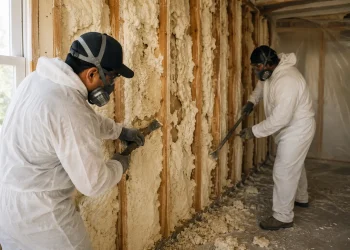

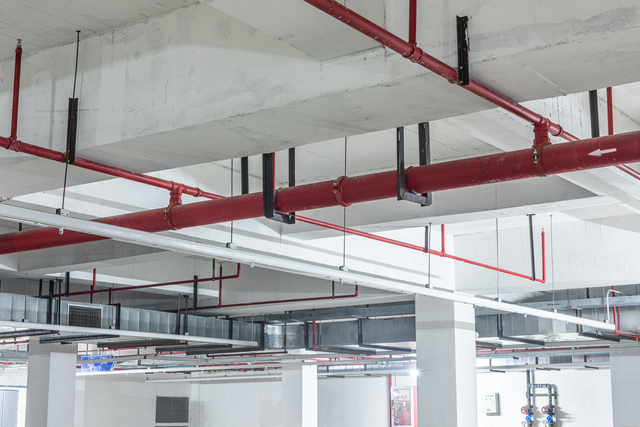
Fire safety is one of the most important considerations in the construction, refurbishment and ongoing management of a building. While alarms, detection systems and extinguishers are highly visible aspects of fire protection, many of the measures designed to restrict the movement of fire and smoke are incorporated directly into the structure itself.
Passive fire protection can include fire stopping, compartmentation, cavity barriers and protective systems for structural elements. These measures are intended to slow the spread of fire and smoke, protect escape routes and help maintain the integrity of a building for a specified period during an emergency.
The effectiveness of these systems depends heavily upon correct specification and installation. Using experienced fireproofing contractors provides access to specialist knowledge, appropriate materials and installation techniques designed around the particular building and its fire safety requirements. From new developments to refurbishment and remediation projects, professional involvement can help ensure that passive fire protection performs as intended.
Specialist Knowledge of Passive Fire Protection
Passive fire protection is a specialist area of construction. It involves considerably more than simply applying fire-resistant materials to visible areas of a building.
Modern properties contain numerous services that pass through walls, floors and ceilings. Electrical cables, pipework, ventilation systems and other installations can create openings through barriers intended to restrict the movement of fire and smoke. If these penetrations are not appropriately protected, the effectiveness of the wider compartmentation strategy can potentially be compromised.
Professional fireproofing contractors understand how different passive fire protection systems work together. They can assess the construction involved, identify areas requiring attention and select appropriate solutions for individual applications.
This expertise is particularly valuable because different materials and building elements can require different approaches. A solution suitable for protecting structural steel will not necessarily be appropriate for sealing a service penetration or protecting a cavity.
Specialists also understand the importance of following tested system specifications. Passive fire protection products are designed to perform as part of particular systems, meaning correct preparation, installation depth, configuration and compatibility can all be important.
Employing professionals therefore provides greater confidence that fire protection is being approached as an integrated part of the building rather than as a collection of individual products.
Supporting Effective Compartmentation
Compartmentation is fundamental to passive fire protection. Buildings can be divided into areas designed to resist the movement of fire and smoke for a defined period, helping contain an incident and protect other areas.
However, a compartment is only effective when the barriers forming it remain intact.
During construction and throughout the life of a building, openings are frequently created for cables, pipes and other services. Refurbishment work can introduce additional penetrations, while existing fire stopping can sometimes be disturbed or damaged.
Experienced fireproofing contractors can identify these areas and install appropriate fire-stopping solutions. This helps preserve the intended integrity of walls and floors and prevents seemingly minor openings from undermining a much larger fire protection strategy.
Hidden areas deserve particular attention. Voids above ceilings, service risers and cavities may not be visible during normal use of a building, but they can potentially provide routes through which smoke and fire travel if suitable barriers are absent or compromised.
Professional contractors understand the importance of examining the complete area rather than concentrating solely on what can easily be seen.
Effective compartmentation can provide valuable additional time during an emergency. By restricting the movement of fire and smoke, passive protection supports evacuation procedures and complements active systems such as alarms and sprinklers.
Protecting Structural Elements
Fire can affect more than the contents and internal surfaces of a building. Exposure to high temperatures can also influence structural materials and their ability to perform as intended.
Structural fire protection is therefore an important part of many projects.
Specialist fireproofing contractors may work with systems designed to protect structural steel and other important elements from the effects of heat. Depending upon the building and specification, this can involve intumescent coatings, boards, sprays or other appropriate forms of protection.
Intumescent coatings provide an interesting example of specialist passive protection. Under normal conditions, the coating can appear relatively unobtrusive. When exposed to sufficiently high temperatures, however, it is designed to expand and form an insulating layer around the protected material.
Correct application is essential. Surface preparation, coating thickness and other installation requirements can influence whether a system provides the intended level of protection.
This is one reason why structural fireproofing should be treated as specialist work rather than simply another decorating or construction task.
Professional contractors can work alongside other trades to ensure that protection is incorporated into the wider construction programme. Good coordination can be particularly valuable on larger projects where numerous contractors may be working around the same structural elements.
Supporting Fire Safety Compliance
Building owners, developers, contractors and those responsible for premises can face significant responsibilities surrounding fire safety. Passive protection forms an important part of meeting these responsibilities.
Using experienced fireproofing contractors can help ensure that relevant work is completed according to the specified requirements and that appropriate attention is given to installation quality.
Documentation can also be important. Modern construction and building management increasingly place emphasis on demonstrating what work has been completed, where systems have been installed and which materials have been used.
Professional contractors can support this process by maintaining appropriate records throughout a project. This creates a clearer trail of information for building owners, facilities managers and other relevant parties.
The benefits can extend beyond the initial installation. Buildings evolve over time. New electrical systems may be introduced, internal layouts changed and refurbishment work completed. Each alteration has the potential to affect existing passive fire protection.
Having clearly documented systems makes it easier to understand what is already present and identify areas requiring attention following subsequent work.
Compliance should therefore not be viewed purely as a box-ticking exercise. Good passive fire protection combines appropriate design, suitable products, professional installation and ongoing management throughout the life of the building.
Identifying Existing Problems and Remedial Requirements
Professional fireproofing is not limited to new construction. Existing buildings can also benefit from specialist surveys, inspections and remedial work.
Older properties may contain passive fire protection installed according to previous requirements, while subsequent alterations could have affected originally compliant systems. Even relatively recent buildings may develop issues where services have subsequently been added through protected walls or floors.
Experienced fireproofing contractors can examine relevant areas and identify deficiencies that may require attention.
This can include missing fire stopping, inappropriate materials, damaged protection or gaps created during later building work. Once identified, remedial work can be planned according to the circumstances.
A systematic approach is particularly useful in larger buildings where there may be substantial numbers of service penetrations, doors, cavities and compartment boundaries to consider.
Addressing deficiencies proactively provides an opportunity to improve the building’s passive fire protection before it is ever required to perform during an emergency.
Protecting People and Property
The most important purpose of fireproofing is ultimately protection. Passive systems are intended to restrict fire and smoke, helping create additional time for people to leave a building and supporting the work of emergency services.
There are also significant property benefits.
Containing a fire within a smaller area can potentially limit the extent to which other parts of a building are affected. For commercial organisations, this may also help reduce disruption and support a more manageable recovery following an incident.
Businesses can hold valuable equipment, stock, documents and technology within their premises. Residential buildings contain people’s homes and possessions. Public buildings may accommodate large numbers of occupants who are unfamiliar with the layout.
Each environment presents different considerations, reinforcing the importance of designing and installing protection around the building itself.
Professional fireproofing contractors can work across different property types and adapt their approach according to the construction, use and identified requirements of the premises.
Quality Installation and Long-Term Confidence
One of the strongest reasons for choosing specialists is confidence in the quality of the finished work.
Many passive fire protection systems remain hidden once construction or refurbishment is complete. Fire stopping may disappear above ceilings or behind finishes, while cavity barriers are incorporated into areas that occupants will rarely see.
This means poor installation may not be immediately obvious.
Professional contractors understand that seemingly small details can matter. Materials must be suitable for their intended application and installed in accordance with the relevant system requirements.
Quality control throughout the project can help identify potential problems before areas become inaccessible. Clear records can subsequently provide useful evidence of what has been installed.
The relationship with passive fire protection should also continue beyond completion. Buildings require ongoing management, and future modifications should take existing fire protection into consideration.
Working with knowledgeable fireproofing contractors provides building owners and managers with access to specialist expertise when inspections, maintenance or future remedial work becomes necessary.
A Professional Approach to Passive Fire Protection
Effective fire protection relies upon multiple systems working together. Alarms can provide warning, suppression systems can help control a developing fire, and passive protection can restrict the movement of flames and smoke while helping important structural elements retain their integrity.
Professional fireproofing brings specialist knowledge to an area where installation quality can have serious implications. From protecting structural elements and maintaining compartmentation to identifying deficiencies and documenting completed work, experienced contractors can provide valuable support throughout the lifecycle of a building.
Choosing qualified fireproofing contractors is therefore about considerably more than completing a particular stage of a construction project. It is an investment in the wider safety and resilience of the property.
With appropriate assessment, carefully selected systems and professional installation, passive fire protection can quietly perform its role in the background every day. Should an emergency occur, those measures can become an essential part of protecting occupants, supporting evacuation and limiting the spread of fire and smoke throughout the building.
Get in Touch:
NuColour London Sprayers – Cladding & Warehouse Roof Painting
3rd Floor, 86 – 90 Paul St, London EC2A 4NE
0330 133 3420
londonsprayers.co.uk