
Across the UK and abroad, a gradual movement is reshaping the residential living scene as static houses gain momentum as a feasible and acceptable housing alternative for an increasing number of individuals and families. Static houses, formerly confined to the margins of the housing market, are losing their antiquated image, showing a plethora of benefits and attracting a new generation seeking affordability, flexibility, and a deeper connection to nature.
Static houses, sometimes known as park homes or mobile homes, represent a significant divergence from typical brick-and-mortar housing. These prefabricated homes are built off-site and transported to their ultimate location, where they are often placed on leased plots in designated residential parks or tourist communities. While the name “static” may indicate immobility, many modern static residences may be relocated if necessary, providing a level of flexibility that traditional homes lack.
One of the primary reasons for the growing popularity of static homes is their lower cost when compared to typical housing choices. In a period of rising property prices and competitive rental markets, static houses provide a more affordable road to homeownership for first-time buyers, downsizers, and those seeking an alternative to the financial responsibilities commonly associated with standard mortgages.
The attractiveness of static dwellings goes much beyond their cost. Many people are drawn to residential parks because of the sense of community they provide. These communities, frequently made up of like-minded individuals and families, generate a sense of belonging and support, making it a friendly atmosphere for both newcomers and long-term inhabitants.
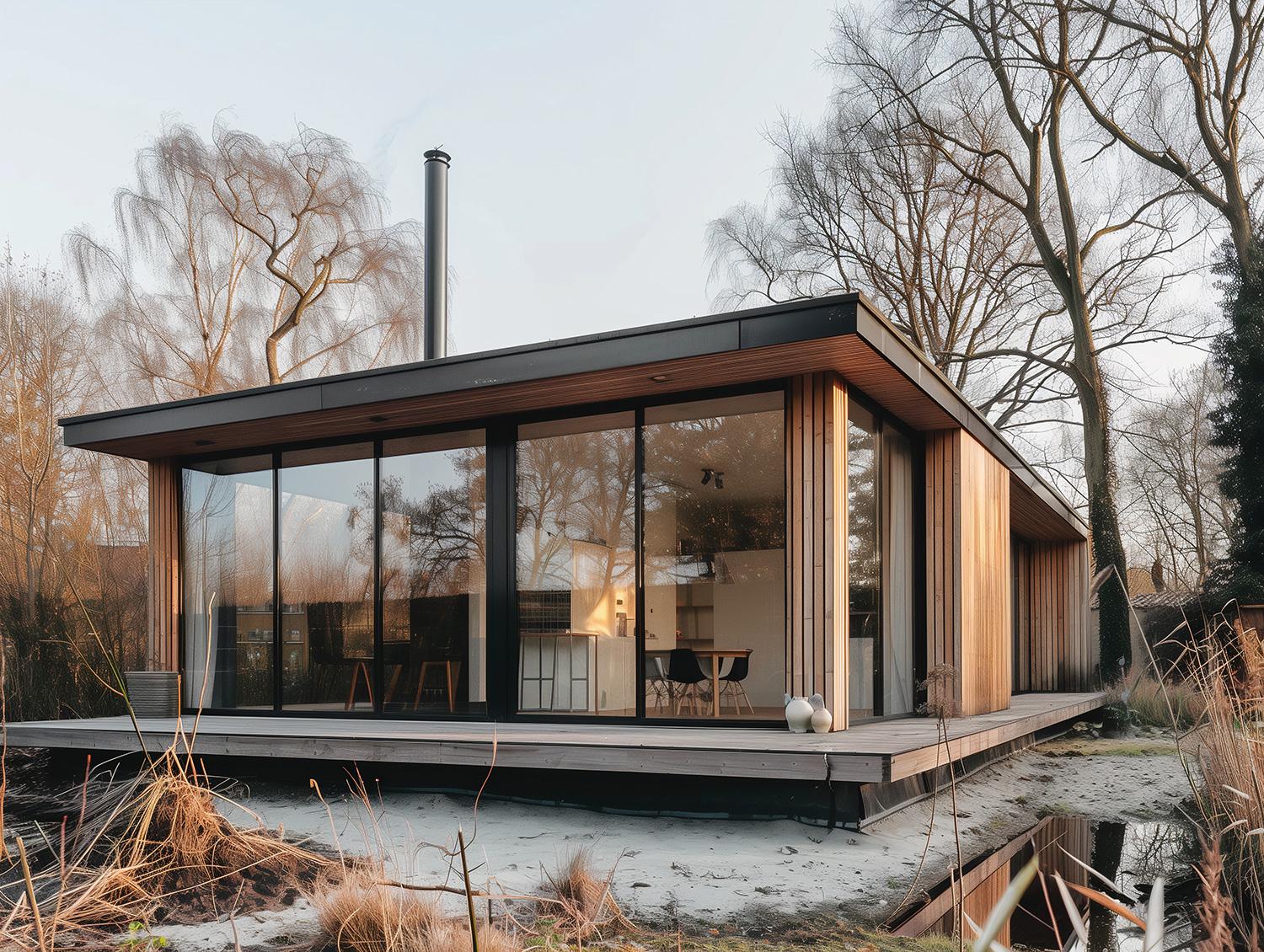
Modern static dwellings bore little similarity to their older counterparts. Manufacturers have embraced new design ideas and sustainable materials, resulting in elegant and useful living spaces that match conventional residences in terms of comfort and appearance. Spacious open-plan layouts, integrated appliances, and high-quality finishes are becoming the norm, breaking stereotypes of static houses as tiny or simple lodgings.
For those looking to get away from the hustle and bustle of city life, static houses provide a unique opportunity to reconnect with nature. Many residential parks are tucked in lovely rural settings, giving inhabitants with calm surroundings, lush green areas, and a slower pace of life, which is a welcome reprieve from the demands of metropolitan environs.
The myth that static houses are solely ideal for retirees is gradually dispelling, as newer generations and families recognise their distinct benefits. The affordability of static residences can free up funds for travel, hobbies, or investments, whereas communal living environments can give youngsters with a feeling of community as well as a safe location to play and learn.
Purchasing a static house requires careful thinking. As with any major purchase, it is critical to study reputable manufacturers and park operators to ensure that the house fulfils quality requirements and that the park is compatible with your lifestyle preferences and long-term objectives.
Another important factor to consider is the legislative structure governing static dwellings. Static houses, unlike standard homes, are often built on leased property, therefore it’s critical to understand the details of the lease agreement, such as ground rent costs, park rules, and any limits on sales or subletting.
Regardless of these factors, the increased popularity of static houses represents a larger shift in how we see home and community. As economic issues rise and the need for flexible living arrangements rises, static houses emerge as an attractive alternative to typical housing patterns, providing a unique combination of affordability, community, and connection to nature.