
The landscape of industrial waste management Leeds has transformed dramatically over the past several decades, reflecting both the changing industrial profile of the city and evolving environmental standards at local, national, and international levels. As one of Yorkshire’s most important industrial centers, Leeds has developed sophisticated approaches to managing the diverse waste streams generated by its manufacturing, processing, and commercial sectors. This comprehensive evolution has positioned industrial waste management Leeds at the forefront of sustainable practices while supporting the city’s continued economic development.
The historical context of industrial waste management Leeds provides important perspective on current practices. The city’s industrial heritage, rooted in textiles, engineering, and manufacturing, generated significant waste challenges throughout the 19th and 20th centuries. Early industrial waste management Leeds practices were often rudimentary, with limited environmental considerations. The transformation from these historical approaches to today’s sophisticated systems represents a remarkable journey of technological innovation, regulatory development, and growing environmental consciousness among both waste producers and service providers.
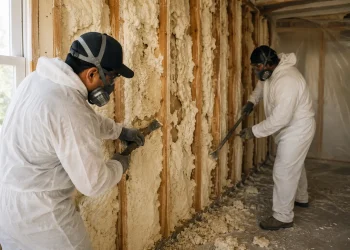
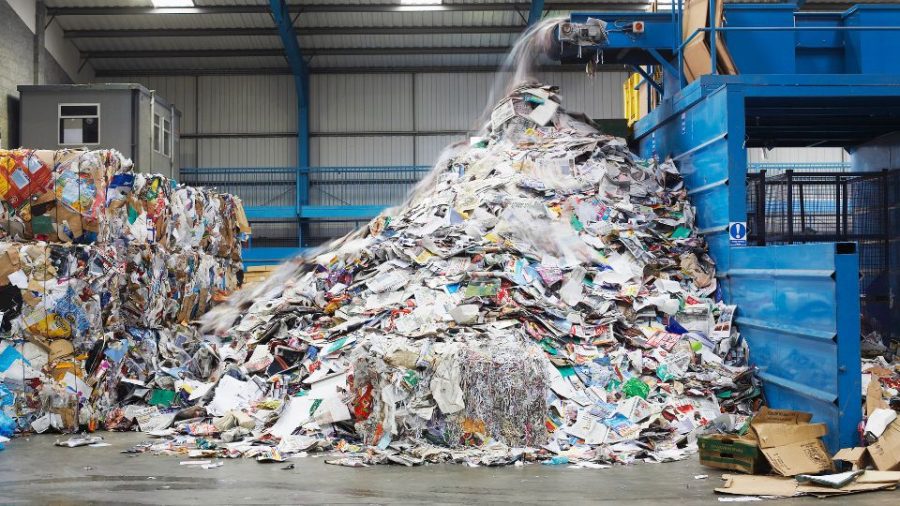
Today’s industrial waste management Leeds sector encompasses a diverse range of specialized services tailored to meet the specific needs of different industries. Manufacturing facilities typically require solutions for managing metal scraps, chemical byproducts, packaging materials, and equipment components. Food processing operations need systems for handling organic wastes, packaging, and wastewater. Construction and demolition activities generate substantial volumes of concrete, timber, metal, and composite materials requiring specialized handling. This diversity has fostered the development of highly specialized industrial waste management Leeds providers with expertise in particular waste streams and processing methodologies.
Regulatory compliance forms a foundational element of modern industrial waste management Leeds operations. UK environmental regulations, including the Environmental Protection Act, Waste (England and Wales) Regulations, and specific provisions related to hazardous materials, establish strict requirements for waste handling, transportation, treatment, and disposal. Industrial waste management Leeds providers maintain comprehensive understanding of these complex regulatory frameworks and help client businesses navigate compliance requirements. This regulatory expertise represents a significant value proposition within the industrial waste management Leeds sector, as non-compliance can result in substantial penalties, operational disruptions, and reputational damage.
The circular economy concept has gained substantial traction within industrial waste management Leeds in recent years. This approach prioritizes resource recovery, material reuse, and waste minimization over traditional disposal methods. Progressive industrial waste management Leeds providers increasingly position themselves as resource management partners rather than simply waste handlers. This philosophical shift has driven innovation in sorting technologies, processing methods, and supply chain integration to maximize the economic and environmental value extracted from materials previously considered waste. The growth of this circular economy focus represents one of the most significant developments in contemporary industrial waste management Leeds practices.
Technology adoption has accelerated across all aspects of industrial waste management Leeds operations. Advanced sorting systems utilizing optical recognition, density separation, and artificial intelligence have dramatically improved recovery rates for valuable materials. GPS tracking and telematics provide real-time visibility into collection operations and asset utilization. Data analytics enables more precise waste characterization, process optimization, and regulatory compliance monitoring. This technological transformation continues to enhance the efficiency and effectiveness of industrial waste management Leeds services while reducing environmental impacts associated with waste handling and processing.
Hazardous waste handling represents a particularly specialized segment within industrial waste management Leeds. Chemical manufacturers, healthcare facilities, research institutions, and certain manufacturing operations generate materials classified as hazardous under regulations including the Hazardous Waste (England and Wales) Regulations. Proper management of these materials requires specialized expertise in classification, containment, transportation, treatment, and disposal documentation. Industrial waste management Leeds providers specializing in hazardous materials maintain rigorous safety protocols, specialized equipment, and comprehensive training programs to ensure these challenging waste streams are handled safely and compliantly.
On-site waste management solutions have gained popularity among larger industrial operations in Leeds. Rather than transporting all waste materials off-site for processing, many facilities now implement on-site compaction, separation, and even treatment systems. Industrial waste management Leeds providers increasingly offer consultation and implementation services for these on-site solutions, helping clients reduce transportation costs, minimize handling risks, and often capture value from waste materials more effectively. This trend toward decentralized waste management represents an important evolution in the industrial waste management Leeds landscape.
The environmental impact of industrial waste management Leeds operations themselves has received increasing scrutiny. Collection vehicles traditionally generated significant carbon emissions, processing facilities consumed substantial energy, and residual wastes often ended in landfills. Progressive industrial waste management Leeds providers have responded with numerous sustainability initiatives including alternative fuel vehicles, energy-efficient processing equipment, renewable power for facilities, and enhanced material recovery to minimize landfill volumes. These improvements significantly reduce the environmental footprint of waste management operations while aligning with broader sustainability objectives.
Cost management considerations continue to drive innovation in industrial waste management Leeds practices. Landfill taxes, designed to discourage disposal and encourage recycling, have increased steadily in recent years. Transportation costs fluctuate with fuel prices and regulatory requirements. These economic pressures have motivated industrial waste management Leeds providers to develop more efficient collection routes, implement communication technologies that optimize pickups, and design processing systems that maximize material recovery. The resulting innovations benefit both service providers and their industrial clients through reduced environmental impact and improved economic performance.
Educational outreach forms an increasingly important component of comprehensive industrial waste management Leeds services. Progressive providers recognize that optimal waste management begins at the point of generation, which requires client personnel to understand proper segregation, handling, and documentation practices. Many industrial waste management Leeds specialists now offer training programs, consultation services, and ongoing support to help clients implement effective waste reduction and segregation programs within their operations. This collaborative approach yields better environmental outcomes while often reducing overall waste management costs.
The future landscape of industrial waste management Leeds appears poised for continued evolution driven by several converging factors. Regulatory requirements will likely become increasingly stringent, particularly regarding carbon emissions and resource recovery. Technological capabilities will continue advancing, enabling more precise sorting, more efficient processing, and better data utilization. Circular economy principles will further integrate waste management with broader supply chain considerations. Industrial clients will likely demand increasingly sophisticated solutions that address both environmental and economic objectives. These trends suggest an exciting and dynamic future for the industrial waste management Leeds sector.
Regional collaboration represents another important dimension of industrial waste management Leeds practices. The city’s waste management infrastructure serves not only Leeds itself but also surrounding communities and industrial zones throughout West Yorkshire. This regional approach enables economies of scale in processing facilities, more efficient transportation networks, and shared innovation across a broader industrial base. The collaborative nature of industrial waste management Leeds extends to relationships with academic institutions, regulatory authorities, and industry associations, creating a robust ecosystem that supports continuous improvement in waste management practices.
Workforce development has emerged as a critical focus area within industrial waste management Leeds operations. As technologies advance and service offerings become more sophisticated, the skills required of waste management professionals continue to evolve. Progressive industrial waste management Leeds providers invest significantly in staff training, professional certifications, and career development programs. These investments ensure service quality while creating valuable employment pathways in an increasingly technical and specialized field. The resulting professional workforce contributes significantly to both operational excellence and continued innovation within industrial waste management Leeds.
In conclusion, industrial waste management Leeds has evolved from basic collection and disposal services into a sophisticated ecosystem of specialized providers offering comprehensive solutions for diverse industrial needs. This evolution reflects technological advancement, regulatory development, growing environmental awareness, and the changing industrial profile of Leeds itself. As sustainability considerations become increasingly central to industrial operations, the importance of effective waste management continues to grow. The future of industrial waste management Leeds will likely be characterized by further integration of circular economy principles, continued technological innovation, and increasingly collaborative relationships between waste generators and management specialists. Through these ongoing developments, Leeds continues to demonstrate leadership in transforming industrial waste challenges into environmental and economic opportunities.