

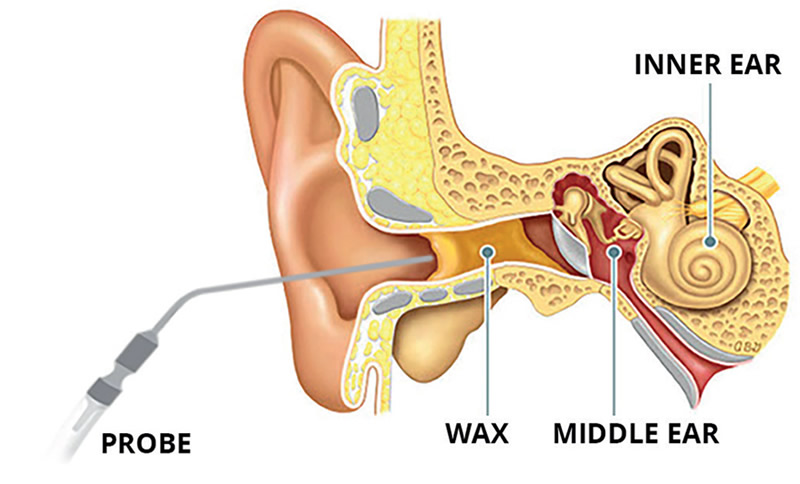
Ear wax, scientifically known as cerumen, is a natural substance produced by the glands in the ear canal. While it serves the essential function of protecting the ear canal from dust, dirt, and foreign particles, an excessive buildup of ear wax can lead to discomfort, impaired hearing, and even infection. Here at Ear Wax Removal Norwich we provide an informative guide on all ear wax removal techniques currently available.
As such, knowing how to properly remove ear wax is crucial for maintaining ear health and overall well-being. In this comprehensive guide, we’ll delve into the various techniques, pros and cons, frequently asked questions, and everything else you need to know about ear wax removal.
Understanding Ear Wax:
Before diving into the methods of ear wax removal, it’s important to understand the role of ear wax in ear health:
- Ear wax acts as a protective barrier, preventing dust, dirt, and bacteria from entering the ear canal.
- It helps lubricate the ear canal, preventing dryness and irritation.
- Ear wax naturally migrates out of the ear canal, carrying away debris and dead skin cells.
When to Consider Ear Wax Removal:
While ear wax is beneficial in moderation, excessive buildup can lead to various symptoms, indicating the need for removal:
- Earache or discomfort
- Feeling of fullness in the ear
- Reduced hearing or muffled sounds
- Itching or ringing in the ear
- Dizziness or vertigo
Techniques for Ear Wax Removal:
There are several safe and effective methods for removing excess ear wax. Here are some popular techniques:
- Ear Irrigation: This method involves flushing the ear canal with warm water using a bulb syringe or specialised ear irrigation kit. The gentle force of the water helps dislodge and flush out the ear wax.
- Ear Drops: Over-the-counter ear drops containing hydrogen peroxide, saline solution, or mineral oil can soften the ear wax, making it easier to remove. Simply tilt your head to the side and apply a few drops into the ear canal. After a few minutes, tilt your head in the opposite direction to allow the excess wax to drain out.
- Ear Syringing: Also known as ear lavage, this technique is performed by a healthcare professional using a syringe and warm water. The water is gently sprayed into the ear canal to dislodge and flush out the ear wax.
- Manual Removal: In some cases, a healthcare professional may use specialised tools such as a curette or suction device to manually remove impacted ear wax. This method should only be performed by trained professionals to avoid injury to the ear canal or eardrum.
Pros and Cons of Ear Wax Removal Techniques:
Each ear wax removal technique comes with its own set of advantages and limitations:
Ear Irrigation:
Pros:
- Effective for removing stubborn ear wax.
- Can be performed at home with the use of an irrigation kit.
- Generally safe when done correctly.
Cons:
- May cause discomfort or dizziness if water enters the ear canal.
- Not suitable for individuals with a history of ear infections or perforated eardrums.
Ear Drops:
Pros:
- Softens ear wax, making it easier to remove.
- Can be used as a preventive measure to maintain ear hygiene.
- Available over the counter without a prescription.
Cons:
- May take several days of repeated use to achieve desired results.
- Some individuals may experience irritation or allergic reactions to the ingredients.
Ear Syringing:
Pros:
- Provides immediate relief from symptoms associated with impacted ear wax.
- Can be performed by a healthcare professional in a clinical setting.
- Effective for individuals with narrow or curved ear canals.
Cons:
- Requires a visit to a healthcare provider.
- Risk of complications if not performed correctly, such as perforation of the eardrum or infection.
Manual Removal:
Pros:
- Allows for precise removal of impacted ear wax.
- Suitable for individuals with severe blockages or abnormal ear anatomy.
- Performed by trained professionals, minimizing the risk of complications.
Cons:
- Not recommended for routine ear wax removal due to the risk of injury.
- Requires specialized equipment and expertise.
FAQs About Ear Wax Removal:
- Is it safe to use cotton swabs to clean my ears?
- No, inserting cotton swabs or any other objects into the ear canal can push ear wax deeper and increase the risk of injury or infection.
- Can ear wax removal cause hearing loss?
- When performed correctly, ear wax removal should not cause hearing loss. However, leaving impacted ear wax untreated can lead to temporary hearing impairment.
- How often should I remove ear wax?
- Ear wax only needs to be removed when it causes symptoms such as discomfort or hearing loss. For most people, this occurs every 6 to 12 months.
- Can I prevent ear wax buildup?
- While you can’t prevent ear wax production entirely, you can minimize buildup by avoiding the use of cotton swabs or other objects to clean your ears. Additionally, using ear drops periodically can help soften and remove excess ear wax.
- What should I do if I experience pain or bleeding during ear wax removal?
- Stop the removal process immediately and consult a healthcare professional. Pain or bleeding may indicate injury to the ear canal or eardrum, which requires prompt medical attention.
Booking your ear wax removal by microsuction with your local specialist
Ear wax removal is an essential aspect of ear care, helping to maintain optimal hearing and prevent discomfort or complications associated with impacted ear wax. By understanding the various techniques, pros and cons, and frequently asked questions about ear wax removal, you can effectively manage ear health and ensure a lifetime of clear hearing. Remember, when in doubt, always seek guidance from a qualified healthcare professional for safe and appropriate ear wax removal.