

In South Korea, a night out is rarely complete without a visit to a karaoke bar. Known locally as “noraebang” (literally meaning “singing room”), the karaoke bar has evolved into more than just a form of entertainment. It is a cultural institution, deeply ingrained in the social fabric of the country. Whether it’s a group of students celebrating exams, colleagues unwinding after work, or friends meeting up to de-stress, the karaoke bar remains a go-to destination across all age groups and social classes.
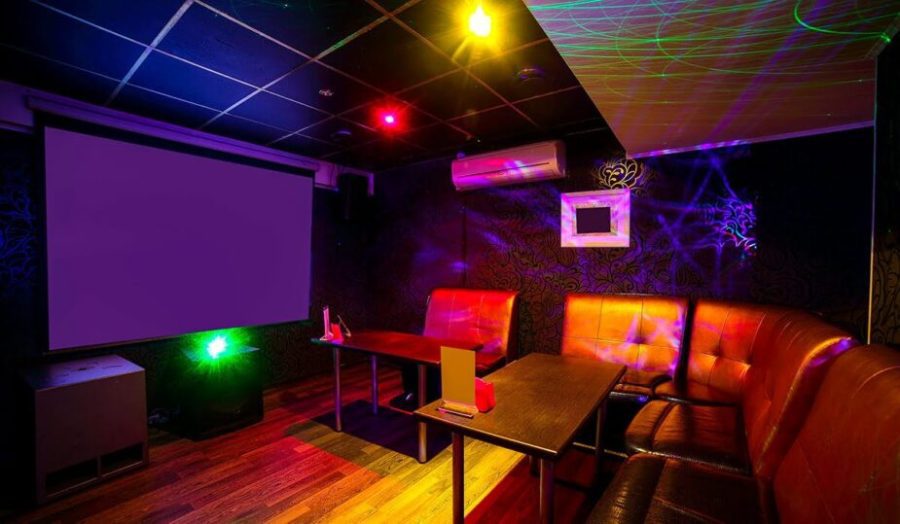
The popularity of the 수원셔츠룸 in South Korea can be traced back to the 1990s, when private singing rooms began to emerge as a more intimate and affordable alternative to live music venues. Unlike Western-style karaoke, where individuals sing in front of strangers in a public space, the South Korean karaoke bar offers private rooms where small groups can sing in privacy. This added element of confidentiality has contributed significantly to its appeal, particularly in a society where public embarrassment is often avoided.
The concept of the karaoke bar fits well with South Korea’s collective culture, where group activities are valued and social bonding is important. After long working hours or intense academic days, visiting a karaoke bar allows people to relax and express themselves in a non-judgemental space. It is not uncommon to see patrons singing with gusto, letting go of the day’s stresses, even if they are off-key. In these moments, the karaoke bar becomes a haven of release and shared joy.
One of the defining features of a South Korean karaoke bar is its technological sophistication. Many establishments are equipped with high-quality sound systems, LED lighting, touchscreen song selectors, and even scoring systems that rate your singing. Some rooms have themes, from retro vibes to futuristic aesthetics, which enhance the immersive experience. These additions have helped the karaoke bar evolve into a place that caters not just to singing but to a fully interactive and entertaining experience.
Moreover, the extensive song catalogues available in most karaoke bars ensure that there is something for everyone. Whether it’s classic Korean ballads, upbeat K-pop hits, or even foreign language songs, the selection is inclusive. This musical diversity allows visitors to share their tastes and introduce others to different genres, enhancing the collective experience. Many people find this aspect of the karaoke bar especially compelling, as it allows them to connect through music in a unique and memorable way.
The karaoke bar also plays an important role in corporate culture. After-work gatherings, known as “hoesik,” often include a trip to the karaoke bar. These outings are seen as a way to foster camaraderie between colleagues, break down hierarchical barriers, and create a sense of team unity. In such environments, it is not unusual to see senior managers and junior employees singing side-by-side, bonded by the universal appeal of music and performance. The karaoke bar thus acts as a social equaliser, allowing everyone to let their guard down and interact more freely.
Another factor contributing to the continued popularity of the karaoke bar in South Korea is its accessibility. With thousands of establishments located in city centres, suburbs, and even small towns, one is never far from a singing room. The relatively low cost of entry makes it an affordable leisure activity, especially for young people and students. Some karaoke bars are open 24 hours, catering to night owls and early risers alike. Whether it’s after dinner, post-drinks, or in the early hours of the morning, the karaoke bar remains open for anyone seeking musical release.
Young people in South Korea, in particular, have embraced the karaoke bar as part of their social lifestyle. With the rise of social media, many now record and share their singing experiences online, adding another layer of enjoyment and digital interaction. This trend has led to the emergence of self-service karaoke booths in public places like shopping malls and subway stations, allowing individuals to sing solo or in pairs on the go. However, despite the appeal of these smaller options, the traditional karaoke bar still dominates when it comes to group gatherings.
In recent years, the karaoke bar has also found a new customer base among foreign visitors. Tourists intrigued by Korean culture often find the karaoke bar experience to be one of the highlights of their trip. It offers an authentic slice of modern Korean life and provides an opportunity to participate in a beloved national pastime. Many establishments have begun to cater to this international interest by including multilingual song catalogues and English-language instructions, making the experience more inclusive.
While the karaoke bar has always been a staple of social life in South Korea, it has also adapted well to changing times. In the wake of global events that affected nightlife and public gatherings, many karaoke bars implemented safety measures and adapted their services to meet new health standards. Some even offered remote karaoke services, allowing people to sing with friends via online platforms. This adaptability has ensured that the karaoke bar remains a resilient and enduring feature of South Korean society.
There is also an emotional and psychological aspect to the appeal of the karaoke bar. In a society known for its rigorous work culture and high societal expectations, singing becomes a form of emotional release. It offers a chance to momentarily shed daily pressures and express feelings that might otherwise remain unspoken. For many, stepping into a karaoke bar is not just about singing a song—it’s about reconnecting with oneself and others in a joyful and uninhibited way.
Despite changing entertainment trends and the rise of digital alternatives, the karaoke bar continues to hold its own as a vital part of social life in South Korea. Its ability to blend fun, emotion, technology, and tradition into one experience is what keeps people coming back. Whether it’s the joy of nailing a high note, the laughter that erupts from a terrible rendition, or the simple pleasure of sharing music with others, the karaoke bar offers something genuinely special.
In the end, the karaoke bar in South Korea is more than just a place to sing—it’s a place to connect, to unwind, and to celebrate. Its enduring popularity is a testament to the human need for expression and connection, harmonised in perfect pitch with the rhythms of everyday life. As long as there are songs to sing and stories to share, the karaoke bar will remain a cherished escape in the heart of Korean culture.