

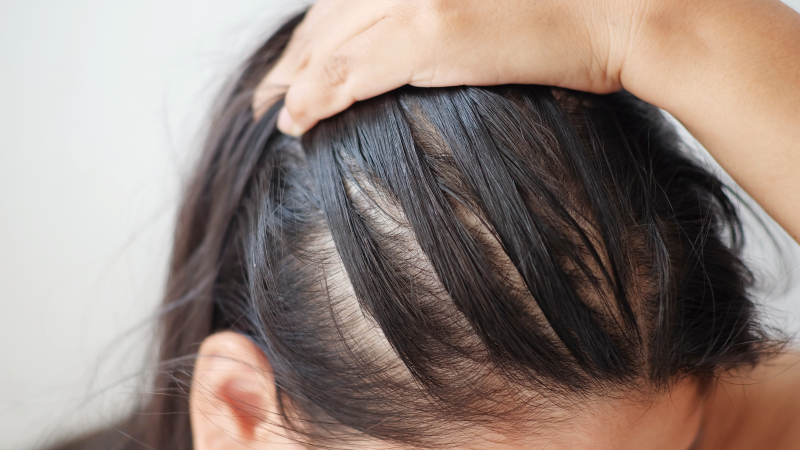
Although millions of women worldwide suffer from hair loss, which is commonly thought to be a problem primarily affecting males, it really affects millions of women and causes both major physical and mental changes. Female hair loss treatment has grown in importance as a subject of research and medical intervention, providing women who are suffering from baldness or thinning hair with hope and answers. This thorough handbook examines every facet of treating female hair loss, from diagnosing the condition to considering the many choices.
Effective therapy for female hair loss begins with understanding the condition. Female pattern baldness can appear in a variety of ways, in contrast to male pattern baldness, which usually follows a predictable pattern. Female pattern hair loss (FPHL), sometimes referred to as androgenetic alopecia, is the most prevalent kind. A progressive thinning of hair, especially at the crown and along the portion line, is the defining feature of this disorder. Other types of hair loss in women include alopecia areata, an autoimmune disease that results in patchy hair loss, and telogen effluvium, which is frequently brought on by stress or hormonal changes.
There are many different factors that might contribute to female hair loss, including hormone imbalances, dietary inadequacies, medical problems, and genetic predispositions. A few drugs, stress, and hairstyling techniques can also cause hair loss. Because of this intricacy, treating female hair loss effectively frequently necessitates a comprehensive strategy that takes into account both the underlying reasons and the symptoms.
Treatment for female hair loss often begins with a comprehensive medical assessment. A thorough medical history, a physical examination, and maybe blood testing to look for underlying medical disorders, hormone imbalances, or nutritional deficiencies are usually part of this process. A scalp biopsy could be suggested in some circumstances in order to identify the precise kind of hair loss. Creating a customised treatment strategy for female hair loss requires a thorough examination.
When treating female hair loss, topical medicines are frequently the initial line of treatment. Various concentrations of minoxidil are available over-the-counter and are the most often used topical therapy. It functions by extending the hair cycle’s development phase and boosting blood flow to the hair follicles. Although minoxidil was first created to treat male pattern baldness, it has demonstrated effectiveness in treating female hair loss, especially FPHL. Note that some women may undergo early shedding before experiencing improvement, and that continued, long-term usage is required to sustain outcomes.
When it comes to treating female hair loss, oral drugs are quite important, particularly when hormonal considerations are at play. Anti-androgen drugs such as spirolactone are frequently administered to women with FPHL. It functions by preventing androgens’ effects on hair follicles. Finasteride is another oral drug used to treat female hair loss; however, because of possible hazards during pregnancy, its use in women is more debatable and usually limited to postmenopausal women.
Treatment strategies for female hair loss frequently include nutritional supplements. Supplements of zinc, iron, biotin, and vitamin D may be advised, particularly if deficits are found. Although there is some variation in the effectiveness of supplements for treating hair loss, correcting nutritional deficiencies can promote healthy hair generally and perhaps increase the success of other therapies.
In recent years, treating female hair loss with platelet-rich plasma (PRP) therapy has become more and more popular. During this treatment, a patient’s blood is drawn, processed to concentrate the platelets, and then the platelet-rich plasma is injected into the scalp. It is believed that the growth factors in PRP activate hair follicles and encourage hair growth. Although additional study is required, PRP treatment has shown promise in treating several women.
An additional non-invasive alternative for female hair loss treatment is low-level laser therapy (LLLT). Red light treatment is used in this method to promote hair growth. LLLT devices are available in a variety of shapes and sizes, such as combs, helmets, and caps, making at-home therapy possible. It is believed that LLLT stimulates cellular activity in hair follicles and increases blood flow to the scalp, while the precise process is still unclear.
Hair transplantation can be a successful female hair loss therapy option for women whose hair loss is more advanced. Results that seem natural can be achieved using contemporary methods like follicular unit extraction (FUE) and follicular unit transplantation (FUT). It’s crucial to remember that not all women are suitable candidates for hair transplantation, and having enough donor hair is necessary for the treatment to be successful.
A cosmetic surgery called scalp micropigmentation may be included in a treatment plan for female hair loss, particularly for those whose thinning is more severe. In order to simulate having more hair on the scalp, this procedure involves tattooing pigment into the skin. Although it doesn’t truly grow hair again, it may make thinning places seem much better.
A lot of therapy regimens for female hair loss include changes to lifestyle. Practices that reduce stress, like yoga or meditation, might be helpful, particularly for hair loss brought on by stress. It may also be advised to make dietary adjustments to guarantee sufficient intake of protein, iron, and other vital nutrients. Furthermore, you may stop additional hair damage and loss by using gentle hair care techniques, staying away from harsh chemical treatments, and avoiding tight hairstyles.
When treating female hair loss, hormone therapy is occasionally taken into consideration, especially for those whose hormonal abnormalities are the cause of their hair loss. For women who have hypothyroidism, this may entail hormone replacement treatment for menopausal women or replenishment of thyroid hormone. However, because of the possible dangers and side effects, hormone treatment for hair loss should only be used sparingly and under constant medical supervision.
Treatment strategies for female hair loss frequently include scalp treatments and specialised hair care products. These might include volumising shampoos and conditioners designed to promote hair development, as well as scalp serums containing peptides or growth factors. These products can help maintain the health of existing hair and enhance the look of thinning hair, even if they might not be able to stop hair loss on their own.
One important but sometimes disregarded component of treating female hair loss is psychological support. A woman’s quality of life and self-esteem can be greatly affected by hair loss. Women who are experiencing emotional distress due to hair loss may find it helpful to attend support groups, seek counselling, or engage in therapy to stay optimistic while undergoing treatment.
Stem cell therapy and exosome therapy are two new treatments for female hair loss. The goal of these innovative therapies is to promote the development of new hair and rejuvenate hair follicles. Even though these treatments are still in the experimental phases, the early findings are encouraging, and they might provide women who have hair loss that is difficult to cure in the future fresh hope.
It’s crucial to remember that treating female hair loss frequently calls for perseverance and patience. It may take several months of constant therapy to see visible improvement, as results are rarely instantaneous. Furthermore, the efficaciousness of a treatment strategy may vary among women, underscoring the significance of customised approaches.
New therapies and more focused treatments are anticipated to develop as research into female hair loss therapy continues to progress. Future study on this topic might lead to even more powerful treatments, perhaps completely changing how we treat female hair loss.
In conclusion, there are many different approaches available for treating female hair loss, ranging from oral and topical drugs to sophisticated surgeries and lifestyle changes. The most successful strategy frequently involves a mix of therapies selected to address the patient’s general health, preferences, and particular kind of hair loss. Although women who experience hair loss may find it difficult and distressing, there is hope thanks to the expanding range of treatment options available, which may help restore not just hair but also self-esteem and general well-being. Women contemplating female hair loss therapy should speak with a healthcare provider, as with any medical procedure, to ascertain the best course of action for their particular circumstances.