

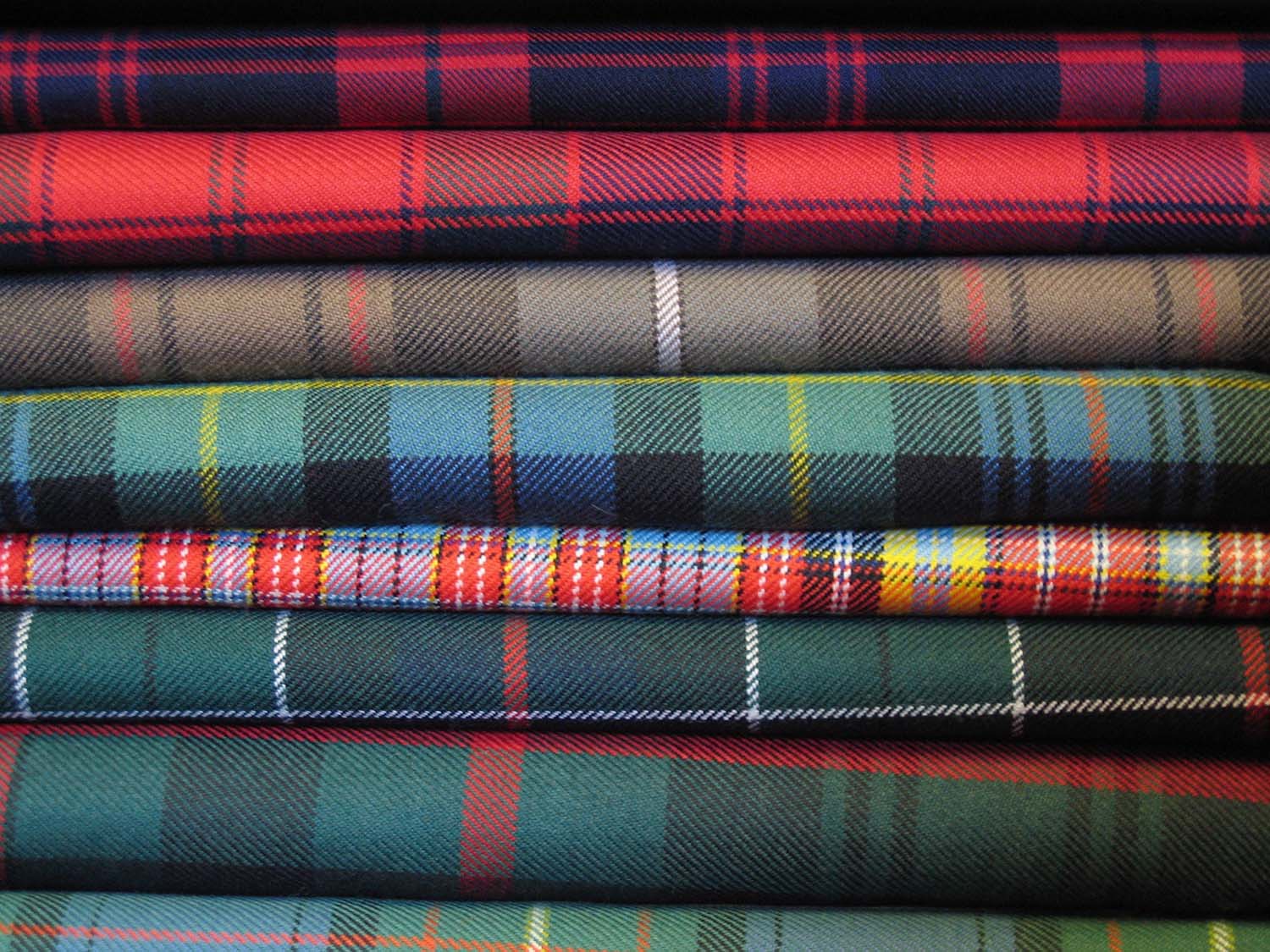
For any maker, designer, or enthusiast, fabric shopping can be a thrilling treat. The range of materials, colours, and textures that are accessible may spark a lot of imaginative creations. But the variety of options available when shopping for cloth may often be daunting. Making the best decisions for your projects requires an understanding of the fundamentals when you shop fabric. This in-depth tutorial will explore the essential knowledge you should possess when shopping for fabric, guaranteeing that the choices you choose align with your crafting requirements and financial constraints.
Recognising Different Types of Fabric
The first thing you should do while fabric shopping is becoming familiar with the various kinds of cloth. Three primary categories may be used to classify fabrics: blends, synthetic fibres, and natural fibres. Plants and animals provide the raw materials for natural fibres including cotton, silk, wool, and linen. They can occasionally cost more, but their comfort, breathability, and durability make them highly valued. Synthetic fibres, which are created by humans and frequently less expensive, include acrylic, polyester, and nylon. Stretchability, stain resistance, and bright colour retention are just a few of their special qualities. Blended textiles provide a balanced option for many applications by combining the advantages of natural and synthetic fibres.
The Applications of Fabric Weights
When shopping for fabric, the fabric’s weight is an important factor to take into account. The drape, feel, and appropriateness of a fabric for a certain season or style of garment can all be influenced by its weight. While medium-weight materials like denim or corduroy are adaptable for year-round use, lightweight materials like chiffon or voile are ideal for summer dresses and blouses. For winter clothing or home décor projects, heavyweight materials like wool tweed or upholstery fabric are perfect. Choosing the right weight might be aided by having a clear understanding of the job you plan to take on.
Fabric Width and Amount Purchased
The breadth of several types of cloth differs considerably from one another. Although they can be broader, particularly for upholstery or quilting textiles, fabric widths often fall between 45 and 60 inches. To find out how much fabric you need to buy, measure the breadth of the cloth when you go shopping. Whenever possible, purchase a bit extra fabric than what your pattern specifies to allow for shrinkage or mistakes in cutting, particularly if the fabric has a matching pattern.
Examine the Bolt Tag.
Always read the information on the bolt tag when shopping for cloth. Essential information about the fabric, such as the fibre composition, width, care instructions, and cost per yard or metre, is often included on this tag. You may use this information to decide whether the fabric is appropriate for your project and how to take care of it when it’s finished.
Verifying the Fabric’s Quality
When shopping for cloth, quality might differ greatly. Examine the fabric for flaws such as holes, stains, or pulled threads to determine its quality. Examine the weight and texture of the fabric by feeling it. Instead of feeling scratchy or thin, a high-quality cloth should feel solid and smooth. Request a swatch if at all feasible to see how the fabric will hold up to washing and ironing.
Taking into Account Fabric Stretch
The stretch of the fabric is a crucial factor to take into account while shopping for clothing, especially for items like t-shirts or leggings. Elastane and spandex-containing fabrics will stretch significantly, providing comfort and versatility in the wearer. To find out how much stretch there is, look up the proportion of these fibres. To get an idea of how the fabric will behave in a final garment, tug the cloth to do a stretch test.
Fabric Upkeep & Care
Think about how much care a cloth will need before making a purchase. Even though they may seem lovely, certain materials require specific laundry instructions or dry cleaning. Consider your maintenance plan when you buy for fabric, as this might have an impact on the project’s overall cost and usefulness.
Budgeting and Comparing Prices
Prices for fabrics can vary greatly in terms of style and quality, from being quite inexpensive to being very costly. Prior to fabric shopping, it’s a good idea to establish a budget. To discover the greatest bargain, compare costs across several retailers or online retailers. Remember that more expensive does not necessarily equal better quality, so utilise the other information you have about fabric to help you choose the best option for your budget.
Where to Purchase Fabric
You may purchase fabric online, at big-box craft stores, or at neighbourhood fabric boutiques. Every one has advantages and disadvantages. Although they can charge more, local fabric merchants frequently provide a selection of distinctive textiles and individualised service. Big box retailers may not have as much choice in premium materials, but they do have comparable prices and convenience. The largest selection of textiles may be found at potentially cheaper rates in online retailers, but the drawback is that you cannot feel the cloth or see the real colour before making a purchase.
Sustainability as well as Moral Issues
Many consumers are become more aware of the ethical and sustainable consequences of their purchases as environmental worries continue to rise. Look for materials that are sustainably sourced, organic, or recycled when shopping for fabric to reduce your influence on the environment. Take into account the methods and working conditions of the producers that produced the cloth as well.
In summary
It takes a sophisticated grasp of fabric varieties, quality, application, and upkeep to shop for fabric. Equipped with the necessary expertise, you can confidently navigate this dynamic fabric industry and make sure that every purchase you make satisfies your creative demands and endures over time. Remember that every fabric has a story to tell, from how it was manufactured to how it improved your creations, so make thoughtful decisions and relish the creative process.