

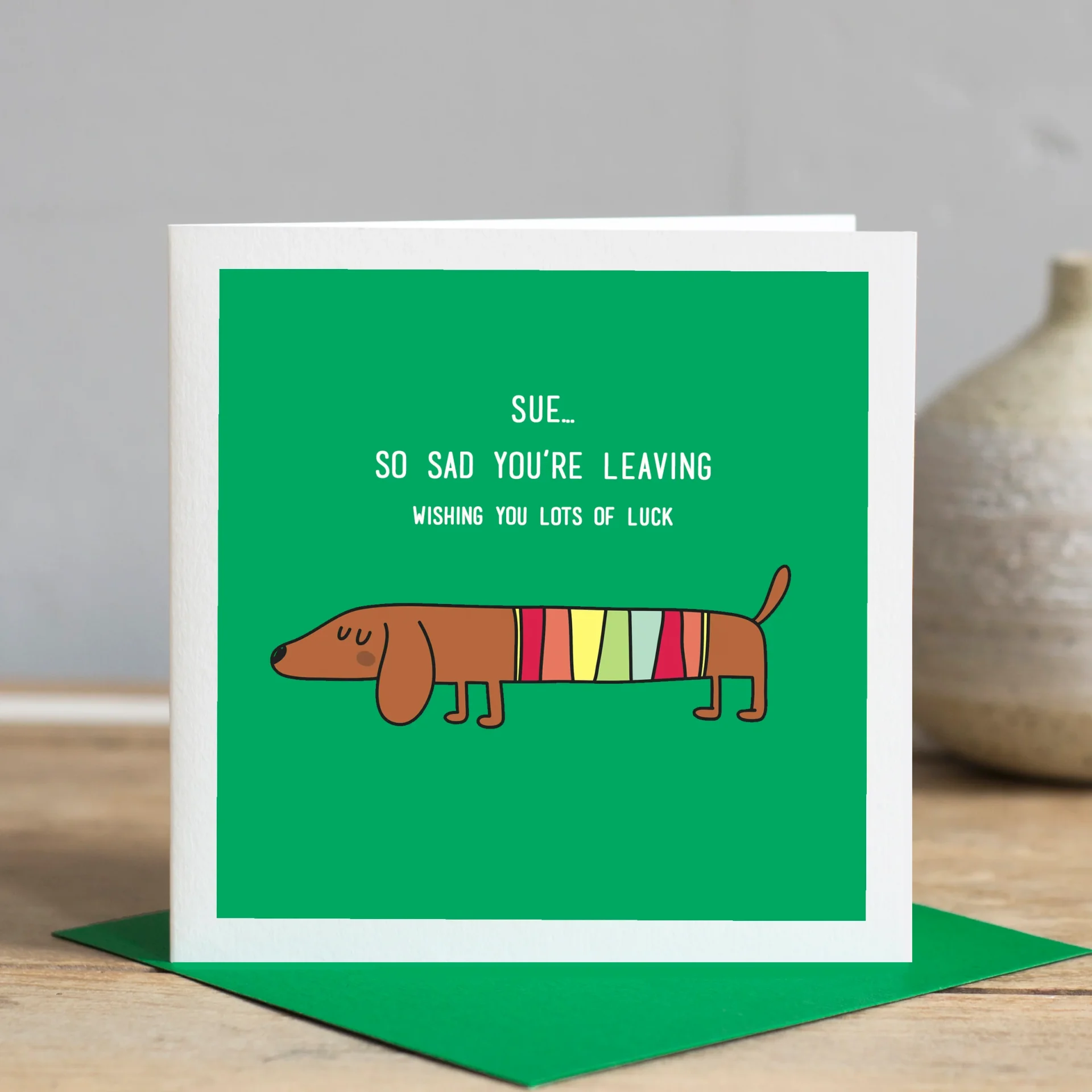
The custom of leaving cards holds a particular place in our hearts in the fast-paced digital era when contact typically occurs via computers and rapid text messages. These physical manifestations of emotions act as a link between the ageless need for personal, emotional relationships and the ease of modern technologies. Whether for a family member’s milestone birthday, a friend’s relocation to a new city, or a colleague’s retirement, leaving cards has emotional weight and care that digital substitutes just cannot equal.
There is a rich legacy of leaving cards spanning millennia. From the lavish, handcrafted valentines of the Victorian era to the mass-produced greeting cards of the 20th century, the act of presenting a card has long been a means of commemorating significant events and conveying emotions that might be challenging to put into words personally. Within the framework of “leaving,” these cards become even more important—usually acting as a last act of kindness, gratitude, or compassion before a major transition or departure.
One of the most frequent situations in which one leaves cards is when a colleague departs a company. Whether it’s retirement, a new job, or relocation, the leaving of a team member is generally accompanied by the card being passed among the remaining employees. Leaving cards lets colleagues exchange memories, show thanks for common events, and send best wishes for the future. This behaviour not only respects the departing person but also strengthens the ties inside the team they are leaving behind.
Particularly if the card is supposed to be a surprise, the process of designing and distributing departing cards in an office setting may be a delicate ballet of collaboration and concealment. Usually, a designated individual will handle card purchase, making sure it gets around the workplace covertly, and gathering any cash for a present should it be part of the agenda. In and of itself, this group project may be a team-building exercise bringing individuals together in a common objective of honouring their leaving colleague.
Still, leaving cards are not restricted in working environments. In personal life changes, they are as vital. Leaving cards are means of expression for love, support, and vows to keep in touch when friends or relatives go away. Many times reflecting the depth of the relationship, these cards have more intimate remarks, inside jokes, and poignant emotions. Personal parting cards generally have greater emotional intensity than the often amusing comments or tear-jerking reminiscences included on frequently official business leaving cards.
For the writer as well as the recipient, writing in parting cards may be a very moving event. It offers a chance for thought on the connection, the influence the individual has had, and the memories exchanged. Many people find that writing a note for a parting card inspires a greater respect of the individual and the part they have performed in their lives. This reflecting process helps those staying behind as well as the one leaving as it emphasises the need of personal relationships in our life.
Selecting the appropriate departure card requires artistic ability on its own. From funny cards that lighten the atmosphere of a departure to more sad ones that catch the bittersweetness of saying goodbye, the market provides a great range of possibilities. While some individuals pick cards with pre-printed sentiments that fit the occasion, others choose blank cards so that more room is for customised remarks. The card chosen reflects the personality of the donor and the receiver, therefore adding as much significance as the message within.
Handmade and artistic departure cards have attracted increasing appeal recently. This tendency shows a need for more individualised, distinctive displays of feeling in a society growingly mass-produced. Making a parting card by hand gives an extra degree of care and work that will help to make the gesture even more memorable. These personalised parting cards—created with calligraphy, collage, or hand-drawn images—become treasured treasures long after the last flight.
Depending on the connection and the situation of the departure, departing cards have rather different contents. Messages in professional environments can centre on the individual’s contributions to the team or company, stressing certain skills or traits that make them a valuable colleague. Conversely, personal parting cards could feature pledges to visit, intimate jokes, or memories shared. Whatever the setting, the greatest parting card statements mix authenticity with appropriateness to provide real emotions without crossing lines.
Leaving cards may provide great comfort and affirmation for people on the receiving end as well. These concrete gestures of love and gratitude may reassure and increase confidence at times of change, which are sometimes rife with ambiguity and conflicting feelings. Many individuals hang their parting cards for years, taking them out in times of uncertainty or nostalgia to serve as a reminder of the good they have done and the relationships they have created.
The custom of leaving cards marks the end of periods or major organisational changes going beyond personal departures. When a long-standing company closes its doors, for example, leaving cards could be traded between staff members and devoted patrons, therefore preserving a remembrance of the establishment’s influence on the local community. Likewise, graduating classes may trade departing cards as they get ready to split ways, weaving a tapestry of memories and desires to carry into their next projects.
Given social media and instantaneous communication, one may wonder if traditional parting cards are really relevant. But their continuing appeal points to a basic human desire for concrete emotional expression. Although a Facebook post or tweet might get a point out fast, it doesn’t have the permanency and personal touch of a handwritten letter on a well selected card. Selecting, writing, and sending a real card shows a degree of care and attention that digital substitutes find difficult to match.
Still, the digital era has shaped the custom of leaving cards in unusual places. These days, some companies design virtual departure cards using digital tools so distant team members may join in the farewell gesture. Many times include multimedia components like images and movies, these digital copies provide a rich, interactive keepsake. Still, many choose to print these digital collections as they understand the need of having a tangible memento.
Many now give environmental effect of greeting cards—including leaving cards—some thought and importance. In response, environmentally friendly alternatives have surfaced including cards produced from recycled materials, seed paper cards that may be planted, and even digital cards meant to reduce environmental effect while yet adding a personal touch. These substitutes let individuals honour their environmental principles by continuing the custom of leaving cards.
The custom of parting cards has evolved to include many cultural viewpoints on farewells and thanks as businesses grow more varied and globally linked. This has resulted in a complex tapestry of departure card customs reflecting the cosmopolitan character of many contemporary companies. For example, certain cultures might value more subdued expressions of passion while others support profuse shows of emotion on departure cards.
Looking ahead, the custom of leaving cards is probably going to change still further. We may see leaving cards with interactive aspects as augmented reality technology develops, therefore dynamically bringing messages to life. Still, the fundamental element of leaving cards—the personal, deliberate expression of feeling during a period of change—is probably going to stay the same.
Finally, leaving cards provide as evidence of the ongoing human yearning for deep ties and concrete emotional expressions. Giving and receiving a real card still has great meaning in a day where so much of our correspondence is fleeting and digital. Whether recognising the end of a professional chapter, saying goodbye to a friend, or honouring a major life event, leaving cards offer a canvas for sincere expression that goes beyond digital communication’s constraints. The custom of leaving cards reminds us of the ability of personal, handwritten emotions to touch hearts and generate lifelong memories as we negotiate an increasingly digital environment.