

Choosing to sell your house signifies the start of an exhilarating, albeit possibly daunting, adventure. Whether you are relocating for employment, expanding your living space for a growing family, or reducing your home size after the kids have moved out, knowing how to begin is essential for a successful sale. While the steps to selling a house may initially appear overwhelming, dividing them into smaller, manageable tasks can significantly simplify the process and reduce stress.
Timing should be your primary consideration when you decide to sell. The property market experiences fluctuations over the course of the year, and recognising these patterns is an essential step in selling a house that many homeowners tend to overlook. Spring is typically the peak season for the UK property market, as families are eager to relocate ahead of the new school year starting in September. Your personal circumstances should always come first, regardless of market conditions. If you find yourself needing to sell swiftly because of a job relocation or financial circumstances, it may not be feasible to wait for ideal market conditions.
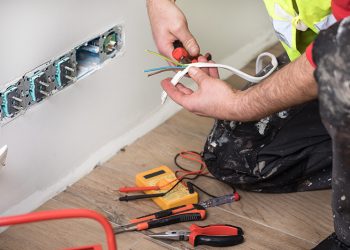
Prior to listing your property, it is crucial to perform a comprehensive and candid evaluation of your home’s condition. Examine each room carefully, identifying any repairs or maintenance concerns that might dissuade prospective buyers. Addressing these issues early on is one of the essential steps to selling a house, as it prevents them from turning into negotiating points later. Minor problems such as leaking taps, cracked tiles, or squeaky doors may appear trivial, yet they convey a sense of inadequate upkeep. Buyers frequently draw conclusions from small issues, envisioning the significant problems that could be hidden underneath.
Grasping the value of your property is a crucial element in the initial stages of selling a house. Investigate properties in your vicinity that have recently been sold, focussing on those that share similar features, size, and condition. Online property portals offer essential data, revealing not only asking prices but also actual sale prices, which present a more accurate representation of your home’s market value. It is advisable to seek valuations from various sources to obtain a thorough insight into the potential market value of your property. Keep in mind that overpricing can be equally as troublesome as underpricing, as properties that remain on the market for extended periods often arouse suspicions among buyers.
Financial preparation is an essential aspect of the steps involved in selling a house, yet it is often overlooked until later in the process. Collect all pertinent documentation regarding your property, such as the original purchase documents, warranties for any completed work, building regulation certificates, and energy performance certificates. Should you have made extensions or alterations, it is essential to confirm that you possess the required planning permissions and building control certificates. Missing documentation can significantly delay a sale or even cause it to fall through entirely, so addressing these matters early prevents future complications.
Starting the process of decluttering and depersonalising your home is essential to undertake well in advance of any viewings. This step in the process of selling a house demands both physical effort and emotional detachment. Potential buyers must be able to imagine themselves in your space, which can be challenging when they are confronted with your family photographs, personal collections, and unique décor selections. Begin by decluttering your space, packing away items that you do not use on a daily basis. This approach enhances your home’s appeal to potential buyers while providing you with an advantage as you prepare for the upcoming move.
Deep cleaning is a crucial preparation task in the process of selling a house. All surfaces must be immaculate, including skirting boards and light fixtures. Focus on kitchens and bathrooms, as these areas greatly impact buyers’ choices. Wash windows both inside and outside, clean carpets with shampoo, and remove any bad smells. For pet owners, it is crucial to be attentive to eliminating animal odours, as these can deter individuals who do not have pets. Evaluate the potential advantages of professional cleaning services over a DIY method, especially when it comes to carpets and upholstery.
The exterior of your property establishes a crucial first impression, making kerb appeal an essential aspect of selling a house. Position yourself on the opposite side of the street and observe your home from the perspective of a prospective buyer. Is the paint job new? Are the windows spotless? Is the garden well-kept? Minor enhancements such as trimming hedges, mowing the lawn, cleaning the driveway, and placing potted plants by the entrance can significantly elevate your property’s appeal. A fresh coat of paint in a classic colour can significantly enhance the overall appearance of a tired-looking front door.
Choosing between a traditional estate agent, an online agent, or selling privately is a crucial step in the process of selling a house that demands thoughtful evaluation. Traditional agents provide local market knowledge, conduct viewings, and possess negotiation abilities, yet they impose higher fees, generally ranging from one to three percent of the sale price plus VAT. Online agents provide reduced fixed fees; however, they typically expect you to manage viewings independently and take on a greater portion of the process. Selling privately removes agent fees completely, but it requires considerable time and effort. Additionally, you will need to organise your own conveyancing and manage all negotiations on your own.
Getting ready for viewings requires more than simply cleaning and organising. Think about the atmosphere you are establishing for prospective buyers as a crucial aspect of selling a home. Natural light is incredibly attractive, so try to arrange viewings during the day when you can, and make sure to open curtains and blinds completely. Make certain your home remains cosy during winter and refreshingly cool throughout summer. Some sellers advocate for baking bread or brewing coffee before viewings to create inviting aromas, although simply making sure your home smells fresh and clean is generally enough. Illuminate all areas, even in daylight, to create an atmosphere that is bright and inviting.
Grasping the legal aspects is a vital step in the process of selling a house, often leaving many homeowners feeling perplexed. You will need to engage a solicitor or licensed conveyancer to manage the legal aspects. The contract will be prepared, local authority searches will be conducted, enquiries from the buyer’s solicitor will be answered, and the exchange of contracts and completion will be managed. Initiating this process ahead of time, even prior to accepting an offer, can greatly expedite the sale. Certain solicitors provide fixed-fee services for house sales, aiding in effective budgeting.
Mental preparation is often an overlooked step in the process of selling a house. Parting with your home can be a deeply emotional experience, especially if you’ve spent many years there or have gone through important life events within its confines. Be ready for feedback during showings, as prospective buyers might express unfavourable opinions about aspects you cherish. Keep in mind that their views are shaped by their individual tastes and requirements, rather than any inherent shortcomings of your property. Maintain your focus on the motivations behind your move and the thrilling possibilities that your sale will bring. Being emotionally prepared for the journey ahead, from the initial viewings to the final completion, enables you to navigate the inevitable ups and downs with increased resilience and patience.