

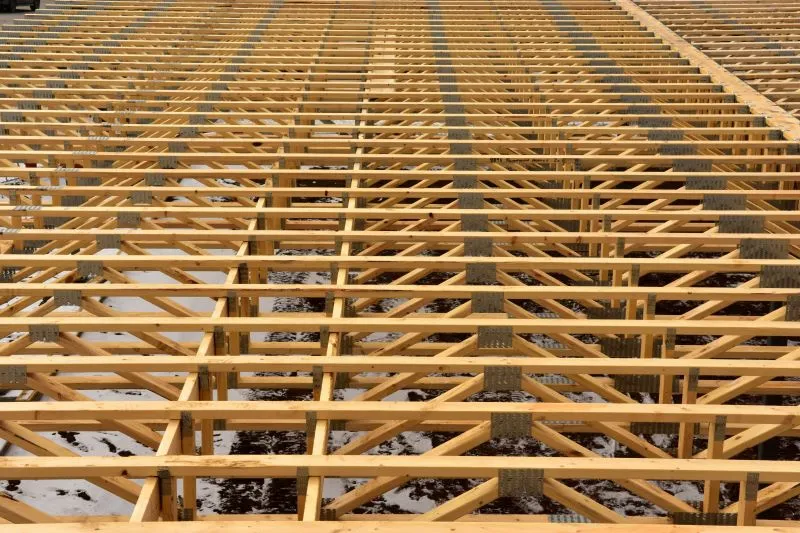
The unsung heroes of any building project are floor joists, which offer the necessary skeletal framework for your ceilings and floors. These horizontal structural components ensure the stability and lifetime of your construction by moving the weight from above to the supporting walls and foundations. Since they directly affect the strength, longevity, and general performance of your floors, selecting the correct floor joists is absolutely vital. You will have the knowledge you need to buy floor joists with confidence and effectiveness thanks to this detailed guide.
Gaining Knowledge of the Various Floor Joist Types
Purchasing floor joists starts with knowing the several kinds that are on offer. Solid timber floor joists, engineered wood I-joists and metal web joists are the most often used choices. For smaller spans, solid timber floor joists—typically constructed from softwood such as pine or spruce—are reasonably priced. They are quickly available and have great load-bearing capacity. Longer spans and more design freedom are made possible by engineered wood I-joists, which have a higher strength-to—-weight ratio than solid timber and consist of flanges and webs manufactured from composite materials. Excellent strength and stability make metal web joists, which combine steel webs with timber flanges, fit for large loads and intricate designs. Every kind of floor joist has benefits and drawbacks; so, knowledge of the particular needs of your project is absolutely vital.
Existing Span, Load, and Spacing:
Find the span, load, and spacing needs for your project before ordering floor joists. The span is the beam’s or supporting wall’s distance apart. Dead loads—the weight of the floor structure itself—as well as living loads—that of furniture, humans, and other objects—are included in the load that the floor joists will need to support. The spacing in floor joists is the distance separating their centres. These elements interact and affect the type and needed size of floor joists. To guarantee correct calculations and suitable specifications for your floor joists, structural engineering advice is absolutely advised. Inaccurate calculations could cause structural instability and maybe dangerous circumstances.
Evaluating timber grading and quality:
Pay great attention to the timber quality and grading when purchasing solid timber floor joists. Search for straight, free from major knots floor joists that show no evidence of rot or insect invasion. Strength and appearance guide timber grading; higher grades indicate better quality. Select a timber grade fit for the planned load and span. Resist the temptation to sacrifice quality in order to save money since this could damage the structural integrity of your floor.
Investigating Fire Resistance and Treatment
Treating floor joists will help to improve their fire, insect, and moisture resistance. For floor joists in places with high humidity or moisture, treated wood is important. By following building codes and maybe lowering insurance rates, fire-retardant treatments might help your structure be more fire safe. Consider the required treatments depending on the particular environment and building regulations when purchasing floor joists.
Handling suppliers and getting quotes:
It’s time to start contacting vendors once you know the kind, width, and specs of your floor joists. To guarantee you are getting the best value and to compare pricing, seek estimates from several vendors. Talk in great detail about your project needs to the providers, then ask about their lead times and delivery choices. A good and successful project depends on selecting a trustworthy provider with a strong name.
Examining Floor Joists Arriving:
Once your floor joists arrive, closely check them to make sure they satisfy the specified requirements. Look for any damage on route and confirm the measurements and quantity. Should problems surface, get in touch with the supplier right away to address them.
Properly storing floor joists:
To retain their quality and avoid warping or twisting, floor joists must be stored properly. Supported by equally spaced bearers, store floor joists horizontally on level ground. To guard floor joists from the elements, cover them with a waterproof tarp.
Knowing Building Laws:
To ensure structural safety and code compliance, building laws control the design and installation of floor joists. To make sure your project satisfies all criteria, become familiar with the pertinent building laws in your area or speak with a building control officer. Ignoring building rules could cause delays, fines or even the necessity for work redoing.
You may purchase floor joists with confidence and guarantee the success of your construction project by following our thorough instructions. Establishing a robust, secure, and long-lasting construction depends critically on selecting the correct floor joists and knowing their installation needs. Recall that spending money on excellent floor joists is an investment in the lifetime and safety of your construction.