
Obtaining a precise loft conversion quote is the essential first step in expanding your living space. A loft conversion is a significant structural change that can greatly enhance your property’s value, but it demands a considerable financial investment. Without a detailed cost analysis, you may encounter unforeseen expenses that could disrupt your budget midway through the project. Knowing what to expect in a professional loft conversion quote helps you fairly compare builders and ensures clarity before any work starts on your home.
Upon receiving a loft conversion quote, the main document should clearly detail the complete scope of architectural and structural design fees. Homeowners often think these are distinct, but a comprehensive loft conversion quote will clarify if architectural drawings, structural engineer calculations, and local authority approvals are part of the final cost. Structural calculations are crucial as they determine the size and placement of the steel beams needed to support the new floor. If your loft conversion quote lacks these initial design phases, you might end up spending thousands more before any work begins.
The next important aspect to outline in your loft conversion quote is the structural framework and steelwork. Converting an attic involves reinforcing the ceiling joists and adding heavy steel beams to support the new room’s weight. A clear loft conversion quote will detail the costs of structural materials and the equipment required for installation, including cranes or specialised scaffolding. If a loft conversion quote only includes structural work as a vague single line item, request a detailed breakdown to prevent hidden fees later.
Scaffolding and site preparation are major logistical costs that should be highlighted in your loft conversion quote. Safe access platforms are needed at the top of your house for several weeks or even months. A proper loft conversion quote will specify the duration of scaffolding placement and clarify if the hire cost includes the entire build period. Furthermore, the loft conversion estimate must include waste disposal, covering skip hire and the removal of all old roofing materials, insulation, and timber.
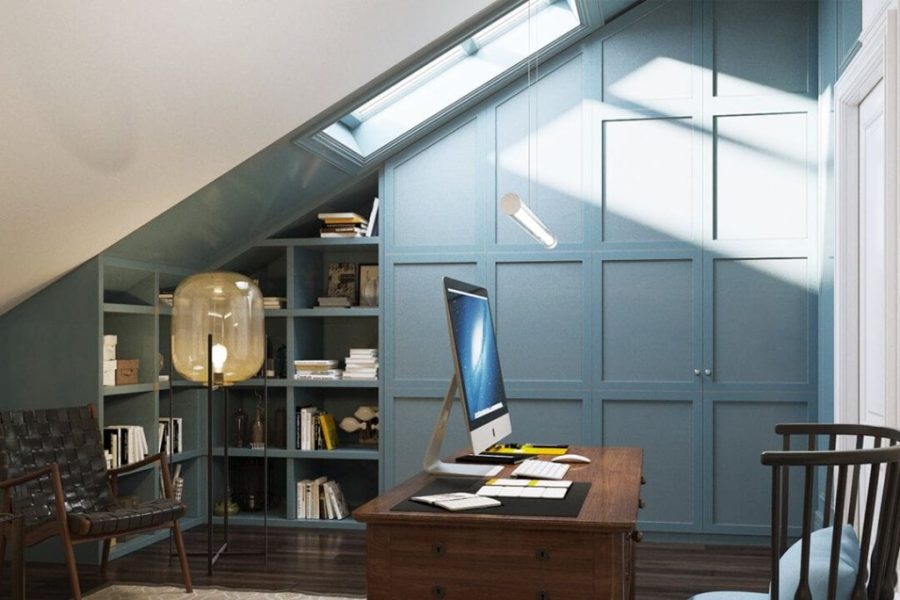
Roof alterations and weatherproofing are critical aspects of the build, necessitating accurate costing in your loft conversion quote. When planning a Velux conversion or a large rear dormer, ensure the loft conversion quote details the window types, roofing felt, tiles, and leadwork needed for a watertight home. Additionally, a detailed loft conversion quote will specify the temporary protection measures that builders will implement to safeguard your home from rain while the roof is fully exposed.
Insulation and thermal efficiency compliance are essential in a modern loft conversion quote. Building regulations in the United Kingdom are very strict about the energy efficiency of new habitable rooms. Thus, your loft conversion quote must clearly specify the thickness and type of insulation for the walls, floor, and sloping ceiling areas. Having this information in your loft conversion quote ensures that the final space will be comfortable year-round and meet all legal requirements.
Floor reinforcement and the new staircase installation are linked elements that need transparent pricing in your loft conversion quote. A new staircase must adhere to strict headroom regulations and fire safety laws, often necessitating custom joinery to fit into the limited space above your existing landing. Your loft conversion quote should specify the materials for the staircase, indicate if handrails and balustrades are included, and clarify how much existing first-floor space will be sacrificed for the conversion. If the loft conversion quote lacks these joinery details, the final staircase may not align with your aesthetic or practical needs.
Plumbing, heating and drainage are crucial for adding an en suite bathroom or a basic washroom, making them key elements of a comprehensive loft conversion quote. The document should outline the connection of the new pipework to your existing boiler and confirm if your current heating system can support additional radiators. If a specialist pump is required to manage wastewater from the roof level to the main drains, it should be clearly priced in the loft conversion quote to avoid unexpected costs during the plumbing phase.
Electrical installations and lighting layouts must be clearly outlined and included in the loft conversion quote. A new living space needs enough double sockets, light switches, smoke alarms, and possibly TV or internet data points. Your loft conversion quote should specify the number of points included as standard and confirm if the existing consumer unit has sufficient space for new circuits. Including electrical safety certification in the loft conversion quote is essential for legal compliance.
Internal plastering, woodwork, and first-fix joinery are essential for converting a cold structural shell into a comfortable room, so they should be detailed in your loft conversion quote. The quote should include the installation of fire-rated plasterboard, skimming of all walls and ceilings, and the fitting of skirting boards, architraves, and internal doors. When reviewing your loft conversion quote, verify if the doors listed are standard or certified fire doors, as fire doors are typically a legal requirement for loft rooms.
Glazing and window specifications can differ significantly in cost, making it essential to include precise details in your loft conversion quote. If your plans include large French doors with a Juliette balcony or specific high-end rooflights, the precise dimensions and thermal ratings of these units must be included in the loft conversion quote. A vague mention of windows in a loft conversion quote enables a contractor to use cheaper, less efficient units. Therefore, insisting on exact specifications safeguards the quality of your finished home.
The difference between first-fix and second-fix items often causes confusion, which a quality loft conversion quote will clarify. First-fix involves the concealed structural, electrical and plumbing tasks, whereas second-fix pertains to the visible finishes such as installing light switches, radiators and bathroom taps. Your loft conversion quote must clearly indicate if the contractor will supply and fit the second-fix items or if they will only provide labour while you buy the fixtures separately. Grasping this difference in your loft conversion quote avoids misunderstandings that can result in conflicts.
Payment terms, schedules, and retentions form the essential foundation of a trustworthy loft conversion quote. You should avoid loft conversion quotes that require full payment upfront or depend on unclear, undocumented handshake agreements. A professional loft conversion quote will include a clear payment plan, with funds released only after specific stages of the build pass local building control inspections. The loft conversion quote should include a small retention fee, a percentage of the total cost held back for a few months to ensure any minor snagging issues are addressed.
Insurance, guarantees, and structural warranties are essential for your project’s safety and should be confirmed in the loft conversion quote. The contractor must indicate that they possess valid public liability insurance and employer liability insurance directly on the loft conversion quote document. Furthermore, the loft conversion quote must specify the duration and conditions of the structural guarantee for the new roof and framework, ensuring long-term legal protection. By including all these points in your loft conversion quote, you can start your home improvement project with confidence, knowing your budget and property are secure.