
Removing earwax is a regular procedure that most people will need at some point in their lives. Earwax is a normal way for our ears to protect themselves, but too much of it can be painful, uncomfortable, or even cause hearing problems. When methods you can try at home don’t work, you need to get professional earwax removal. This in-depth guide will walk you through every step of the earwax removal process, from making an appointment to receiving advice on treatment.
Understanding Why You Need a Professional to Remove Your Earwax
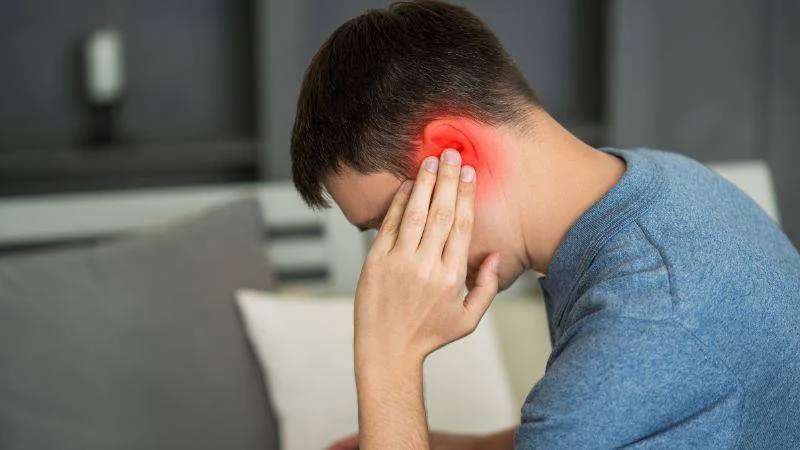
Earwax, which is formally called cerumen, moves outward naturally from the ear canal. It cleans the ear and keeps it from getting infected. Some things, like using cotton buds, hearing aids, or having naturally narrow ear tubes, can stop this process from working. When earwax gets stuck, you may experience hearing loss, earaches, tinnitus (ringing in the ears), or a feeling of fullness. These are all signs that you need to have professional earwax removal.
Many doctors say that you should try over-the-counter earwax softening drops for a few days before making an appointment. In the event that these don’t work, the next step would be to see a doctor for earwax removal. Individuals who have had ear surgery, perforated eardrums, or other medical conditions connected to the ears need extra care during the earwax removal process.
Making an appointment to get rid of earwax
When you call a clinic to get earwax removed, they will likely ask you about your symptoms, medical background, and any other earwax removal procedures you’ve had. Some clinics give free initial phone consultations to see if you are a good candidate for earwax removal and to figure out the best way to help you.
An earwax removal professional may tell you to use olive oil drops for three to seven days before your visit. This helps to soften the earwax, which could make getting rid of it easier and more comfortable. When you book your earwax removal appointment, you will usually be given clear advice on how to get ready before the appointment.
Appointments to get rid of earwax usually last between 30 and 60 minutes, but this depends on how much wax is there and the method used. Making sure you have enough time in your plan will help you avoid feeling rushed.
When You Get to the Clinic
When you get to your appointment for earwax removal, you’ll be asked to fill out a long medical form about your ear health. This helps the professional figure out any possible risks and make sure the earwax removal method fits your needs.
The office where earwax removal takes place is meant to be calm and comfortable. Specialised tools, such as an exam chair, good lighting, and different tools designed just for earwax removal processes, will be in the treatment room.
Your ears will be carefully checked by the professional before the earwax removal starts. An otoscope, a hand-held device with a light and a magnifying lens, is usually used to look inside the ear canal and figure out how big and where the earwax blockage is. The best method for earwax removal must be determined by this initial check.
How to Get Rid of Earwax
As far as professional earwax removal goes, the most popular ones are microsuction, irrigation (also known as “ear syringing”), and removal by hand. The method used will depend on your situation, the practitioner’s opinion, and the tools that are available at the clinic.
In many centres, earwax removal using microsuction is becoming more and more popular. For this technique, a small, low-pressure suction device is used to remove the earwax gently while a microscope or loupe is used to watch the process. With a low risk of ear canal damage or infection, microsuction earwax removal is usually thought to be safe and comfortable.
In microsuction earwax removal, the suction device may make a whistling sound as it works. Some people say they feel a little pressure, but the process shouldn’t hurt. Let your practitioner know right away if the earwax removal is making you feel any pain so they can change how they do it.
A controlled flow of water is directed into the ear to flush out the wax in irrigation, another popular method of earwax removal. Specifically made to deliver water at body temperature and safe pressure levels, modern irrigation devices used for earwax removal use water in this way. This method works especially well for softer earwax.
Earwax removal by hand with specific tools may be suggested in some situations. This is done by carefully pulling out the earwax with tools like curettes or tongs, usually while looking into the ear canal through a magnifying glass.
The earwax removal professional will talk you through the process and make sure you are comfortable. Due to the stimulation of the balance system in your ear, it’s normal to feel a little dizzy during or shortly after earwax removal. This feeling usually goes away quickly.
After the procedure: effects right away and aftercare
Following successful earwax removal, a lot of patients report an instant improvement in hearing that can feel a bit disorienting at times. As your ear gets used to better sound intake, sounds may seem incredibly loud. This feeling usually goes away in a few hours after the earwax removal process.
After the earwax removal, the doctor will check your ears again to make sure the blockage is gone and to see how healthy your ear canal and eardrum are in general. Then, they will talk to you about what they found and give you tips on how to stop buildup from happening again.
After earwax removal, it’s normal to feel some light pain or an empty space in your ear for one to two days. But if there is a lot of pain, discharge, or hearing loss, you should call the doctor right away because these could be signs of problems that need more care.
Steps to take to avoid problems and care afterward
Your doctor may suggest some preventative steps that will make it less likely that you will need to have earwax removal as often. Some of these are not putting cotton buds or other items in your ears, using preventative ear drops on a regular basis, and making sure you get regular check-ups if you have a history of earwax buildup problems.
Regular protective earwax removal appointments may be suggested for people who make a lot of earwax or wear hearing aids, which can stop earwax from moving around naturally. The number of these sessions depends on the person, but the average time between sessions is 3 to 12 months.
In conclusion
Professional earwax removal is a simple, usually painless process that can help a lot with the problems that come with having earwax in your ears. After reading about what to expect at an earwax removal centre, you can feel good about going to your appointment.
Keep in mind that earwax removal methods are always changing, and professionals are choosing methods that are safer and more comfortable. Whether this is your first time dealing with earwax problems or you have to deal with a problem that keeps coming back, professional earwax removal is the best way to get rid of them.
If you think you might have an earwax blockage, don’t wait to get help from a professional. With the right care and protective measures, you can keep your ears healthy and avoid the pain that comes with having too much earwax.