
For many, the mere thought of a crackling fireplace evokes feelings of warmth, comfort, and nostalgia. The heart of this experience lies in the firewood fueling those amber flames. However, not all firewood is created equal. The type of wood, its seasoning process, and other factors can greatly influence your burning experience. Here’s a comprehensive guide on what to look for when buying firewood to ensure you get the best value and experience.
1. Hardwood vs. Softwood:
When it comes to firewood, one of the first distinctions you’ll encounter is between hardwood and softwood.
- Hardwood: Derived from deciduous trees like oak, hickory, and maple, hardwood is denser and burns hotter and longer. It’s ideal for heating homes and cooking due to its steady, long-lasting burn. However, it’s usually more expensive than softwood.
- Softwood: Coming from coniferous trees such as pine, fir, and spruce, softwood ignites quickly and burns at a faster rate, producing more creosote. It’s suitable for kindling or shorter fires but might not be the best primary choice for heating.
2. Seasoning Matters:
Seasoned firewood has been left to dry for an extended period, usually six months to a year. Properly seasoned wood has a moisture content of around 20% or less. The seasoning process is vital for several reasons:
- Efficiency: Dry wood burns hotter and more efficiently than fresh or ‘green’ wood.
- Reduced Creosote: Burning unseasoned wood can lead to increased creosote buildup in chimneys, posing a fire hazard.
- Cleaner Burn: Seasoned wood produces less smoke and soot than its unseasoned counterpart.
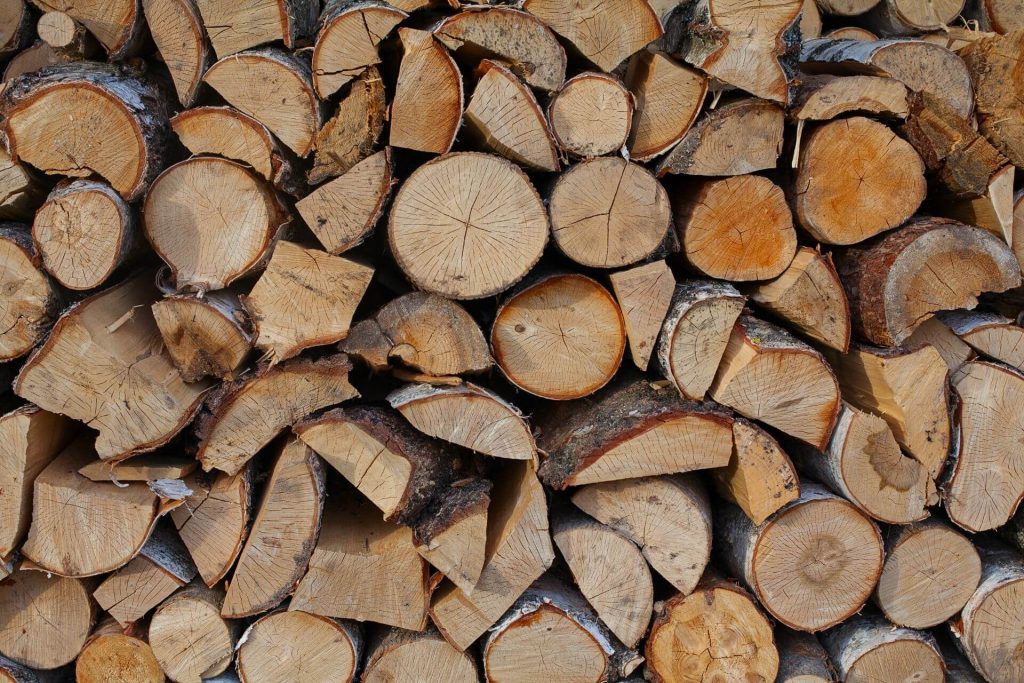
To identify seasoned wood, look for logs that are dark or grayish in color, have cracks on the ends, and sound hollow when knocked together.
3. Size and Cut:
Consider the size and cut of the logs. They should fit easily into your fireplace or stove, with enough space for air circulation to maintain combustion. Standard firewood lengths range from 16 to 20 inches. The cut should be clean, facilitating easy stacking and burning.
4. Avoid Pests:
Wood can sometimes harbor insects or fungi. Inspect your firewood for signs of infestation, such as visible insects, boreholes, or fungal growth. Storing the wood off the ground and ensuring it remains dry can deter pests.
5. Check for Resin:
Some woods, especially pines and other softwoods, contain high amounts of resin. While this can make for easy lighting, it also results in more creosote buildup and can produce popping sap pockets, which might lead to a fire hazard.
6. Volume and Pricing:
Firewood is typically sold in cords or fractions of a cord. A standard full cord measures 4 feet high by 4 feet wide by 8 feet long. Ensure you’re getting the right volume for your money and compare prices among different sellers.
7. Sustainable Sourcing:
With increasing environmental awareness, it’s crucial to ensure your firewood is sourced sustainably. Opt for suppliers who practice responsible forestry. This not only ensures a continued wood supply but also plays a role in forest health and conservation.
8. Aromatic Woods:
For some, the aroma of burning wood adds significantly to the experience. Woods like cherry, apple, and hickory produce pleasant scents when burned. If aroma is essential for you, inquire about the type of wood and perhaps even request a mix of aromatic varieties.
9. Local vs. Imported Wood:
Transporting firewood over long distances can introduce non-native pests and diseases to new areas. To safeguard local ecosystems, it’s best to buy local wood. This not only supports local businesses but also reduces the carbon footprint associated with transporting the wood.
10. Ask Questions:
Don’t hesitate to ask your supplier questions. Inquire about the wood’s type, its seasoning process, where it’s sourced from, and any treatments it might have undergone. A reputable seller will be transparent and provide all the necessary details.
11. Delivery and Storage:
If you’re buying in bulk, consider suppliers who offer delivery services. Once the wood arrives, store it in a dry place, preferably stacked off the ground and covered on top, leaving the sides open for air circulation. Proper storage ensures the wood remains dry and free from pests.
In Conclusion:
Firewood is more than just fuel; it’s an experience. The right wood can transform cold winter nights into cozy memories, enhance BBQs, or elevate camping trips. By knowing what to look for when buying firewood, you can ensure a safe, efficient, and delightful burning experience.
As with any purchase, knowledge is power. Arm yourself with information, ask the right questions, and prioritize quality. Whether you’re sitting by the fireplace with a good book or sharing stories around a campfire, the right firewood can make all the difference.
Hillside Woodfuels
Unit 7, Westfield Industrial Park, Waunarlwydd, Swansea SA5 4SF
01792 946421
hswf.co.uk