

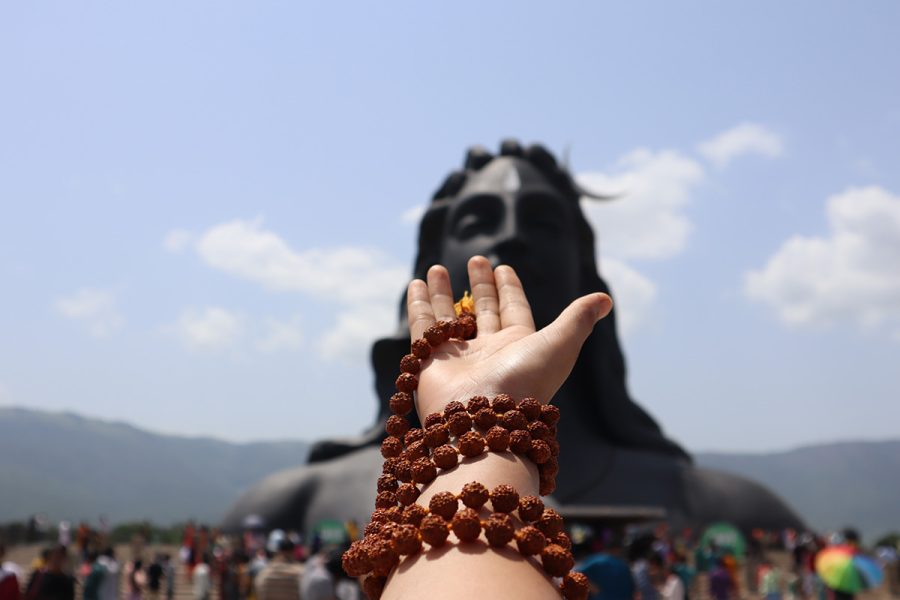
Not all Beads are Created Equal
If you’ve ever held a mala in your hand, you know there’s a kind of energy to it. It’s not just about aesthetics. It’s about what it holds, what it carries, and what it awakens in you.
But with so many types—Bodhi seed, Rudraksha, and Lotus seed among the most popular—how do you choose?
To find out, let’s dive into what makes each of these beads unique. We’ll look at their origins, their feel, their symbolism, and the kind of inner journey they support. Because in the end, it’s not about which one is better—it’s about which one is yours.
The Bodhi Seed: The Tree of Awakening
Let’s start with the most iconic: the Bodhi seed.
The name comes from the Bodhi tree. This is the sacred fig under which Siddhartha Gautama became the Buddha. As legend has it, these beads are directly tied to that moment of realization. They don’t just represent enlightenment; they echo it across time and cultures.
Typically, Bodhi seeds come from trees related to the original sacred fig. They’re earthy, textured, and often speckled—like little seeds of wisdom you can hold. Over time, they darken and develop a smooth, polished look. That transformation is personal. It reflects your practice, your breath, and your time spent with them.
Symbolically, Bodhi seed malas are all about awakening. They’re reminders that clarity is possible—that even in chaos, there is calm. People who feel drawn to the Buddhist path often connect deeply with Bodhi beads. However, you don’t have to be Buddhist to use them. You just have to be someone who’s ready to see things clearly.
If you’re looking for a mala that grounds you in presence and deep insight, this one might be calling your name.
The Rudraksha Seed: The Eyes of Shiva
If Bodhi beads whisper, Rudraksha beads resonate like a drumbeat.
These seeds come from the Elaeocarpus ganitrus tree. It’s native to regions across India, Nepal, and Indonesia. According to Hindu mythology, they were formed from the tears of Lord Shiva. That origin story gives them an unmistakable power—rooted in protection and strength.
By comparison, Rudraksha beads have a rougher, more ridged surface. They feel ancient, primal, like something carved by nature to support the soul’s journey. Most have five “mukhis” or faces—natural lines that run down the seed. Meanwhile, some rare varieties have different numbers, each with its own energetic meaning.
Wearing a Rudraksha mala isn’t just about meditation. It’s about shielding your energy and walking through the world with clarity and courage. Yogis and seekers who walk the Shaivite path often gravitate toward these beads.
If Bodhi is about surrender, Rudraksha is about sovereignty. It’s the energy of the mountain—still, unmoving, unshaken.
The Lotus Seed: Purity Rising
Now let’s talk about the quiet beauty of Lotus seed beads.
The lotus has always been sacred—across Buddhism, Hinduism, and many spiritual traditions. It grows from mud, rises through murky water, and blossoms untouched on the surface. That journey reminds you that no matter your past, you can rise, again and again.
Generally, Lotus seeds are smooth and light and usually pale in color. And sometimes they’re speckled like eggshells. They have a soft, matte finish and are gentle to the touch. Unlike Bodhi seeds, they don’t darken much over time. Yet they do absorb something deeper: your energy, your intention, your story.
People drawn to Lotus seed malas are often in seasons of change—healing, a new beginning or searching. These beads are soft companions, offering quiet support rather than bold declaration.
They whisper that your past doesn’t define you—that you can begin again, any time.
Comparing the Feel: Texture, Weight, and Presence
Each type of bead has a distinct character—not just in meaning, but in its tactile quality.
Bodhi seeds are warm, slightly porous, and get smoother with use. They carry a living presence, like they’re slowly being shaped by your practice. They’re medium in weight—not too light, not too heavy.
On the other hand, Rudraksha beads are firm, ridged, and a little rugged. You sense them as you move through the mala. They assert their energy. Interestingly, some people love that tactile quality—it keeps them focused. They’re also lighter than they look, which surprises many first-timers.
In contrast, Lotus seeds are soft, almost creamy in texture. They’re the lightest of the three, and seem delicate, though they’re quite durable. If you prefer something gentle and unobtrusive, these might be the most comfortable.
Choosing based on touch is underrated. After all, it’s not just about visual appeal—your fingers know what they like. Listen to them.
Symbolism Side by Side
Let’s break it down even further:
- Bodhi Seed: Awakening, insight, perseverance
- Rudraksha: Protection, power, discipline
- Lotus Seed: Purity, transformation, renewal
For those seeking clarity, mindfulness, and connection to the Buddhist path—Bodhi. Ideal for those looking for strength, energetic boundaries, and focused practice—Rudraksha. Perfect for anyone navigating change, emotional healing, or spiritual growth—Lotus.
Each one holds a different frequency. None is better. They just resonate with different stages of the path.
Who Chooses What—and Why
We’ve seen people select their malas for all kinds of reasons. Some choose Bodhi seed malas because they’re walking through a personal awakening. This means, they’re leaving behind old habits and stepping into new awareness. They want something that reflects stillness and depth.
Others are drawn to Rudraksha because they’re trying to stay grounded amid chaos. Perhaps they’re energy workers, yoga teachers, or people navigating intense environments. Rudraksha gives them armor—spiritual, not defensive.
Then there are those who reach for the Lotus seed. They’re often in a soft season. Perhaps they’re recovering from loss or beginning again after burnout. The point is, they don’t want to fight anymore—they want to bloom.
Sometimes, people own all three. Each for a different chapter. A different energy. A different prayer.
Cultural Roots and Sacred Respect
Each bead comes with its own heritage as well. They’re deeply sacred in South Asian traditions. Therefore, it matters that we treat them with respect.
- Bodhi seeds find their roots in Buddhist rituals. They’re especially significant in Mahayana and Vajrayana traditions. Monks and lay practitioners alike use them for mantra recitation and silent meditation.
- Rudraksha beads are deeply revered in Hinduism, primarily among followers of Shiva. For this reason, they’re often worn on the body for powerful spiritual protection.
- Lotus seeds, while not always used in rituals, carry immense symbolic weight. In Hindu and Buddhist art, deities are often depicted sitting on lotus thrones. This symbolizes spiritual purity as well as divine beauty.
When you wear or use these beads, you’re not just adopting a practice. You’re entering a lineage. That deserves care and attention.
How to Choose What’s Right for You
Start by asking what you need right now. Do you need stillness? Go with Bodhi. Do you need strength? Try Rudraksha. Do you need healing? Choose Lotus.
There’s no wrong answer. At times, the bead chooses you. You’ll hold it, and it’ll feel like home. Or you’ll see it, and something inside you will say, “Yes, this.” Go with that feeling. That’s your intuition. That’s your inner teacher.
Closing Thoughts: Let the Beads Speak
In the end, mala beads aren’t just tools. They’re companions. They’re stories you carry. They’re reminders of who you are—and who you’re becoming.
Bodhi seed malas connect you to the possibility of awakening. Rudraksha reminds you of your inner fire. Lotus seed holds your unfolding in grace.
So ask yourself—not which one is most popular, or most expensive—but which one meets you where you are. Hold it. Breathe with it. Let it teach you. Because sometimes, the smallest bead can carry the loudest truth.