

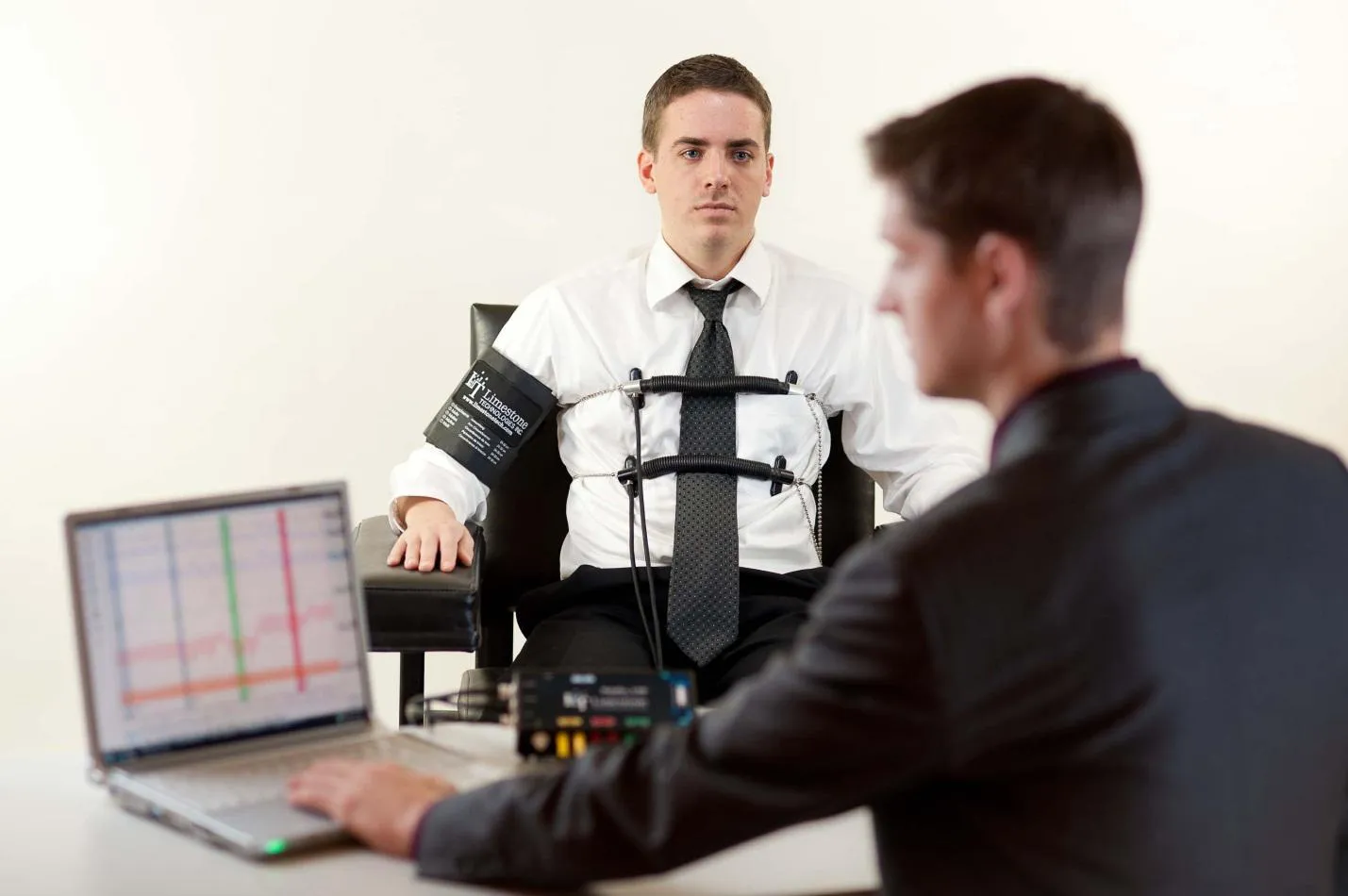
Lie detector tests, also known as polygraph tests, have long been a subject of intrigue and controversy. While they are often portrayed in movies and television shows as infallible tools for detecting deception, the reality is far more nuanced. Lie detector tests are not foolproof, and their results should be interpreted with caution. However, they can still be a valuable tool in certain situations.
What is a Lie Detector Test?
A lie detector test is a physiological test that measures a person’s physiological responses to questions, such as heart rate, blood pressure, respiration, and skin conductance. The theory behind lie detector tests is that people exhibit different physiological responses when they are lying compared to when they are telling the truth.
How Are Lie Detector Tests Administered?
During a lie detector test, a polygraph examiner will attach sensors to the person’s body to measure their physiological responses. The examiner will then ask a series of questions, some of which are control questions that are known to elicit a certain physiological response, regardless of whether the person is lying or telling the truth. The examiner will then compare the person’s responses to the control questions with their responses to other questions that are relevant to the investigation.
Limitations of Lie Detector Tests
Despite their widespread use, lie detector tests are not considered reliable by many experts. There are several limitations to these tests, including:
- Lack of Scientific Consensus: There is no scientific consensus on the accuracy of lie detector tests. Studies have produced mixed results, with some studies showing that lie detector tests are accurate up to 90% of the time, while others have shown that they are no better than chance at detecting deception.
- Subjectivity of Interpretation: Lie detector tests are highly subjective, and the results can be easily misinterpreted by the examiner. Examiners can be influenced by their own biases and beliefs, and they may also misinterpret physiological responses due to factors such as stress, anxiety, or physical health conditions.
- Ability to Control Responses: People can learn to control their physiological responses to lie detector tests, making it difficult for examiners to accurately detect deception. There are also techniques that can be used to artificially create physiological responses that could be misinterpreted as deception.
Potential Benefits of Lie Detector Tests
Despite their limitations, lie detector tests can still be a valuable tool in certain situations, such as:
- Pre-employment Screening: Lie detector tests can be used to screen job applicants for honesty and integrity. However, it is important to note that lie detector tests are not a substitute for a thorough background check, and they should not be used to discriminate against applicants based on their race, religion, or national origin.
- Insurance Fraud Investigations: Lie detector tests can be used to investigate claims of insurance fraud. However, it is important to note that the results of a lie detector test alone should not be used to deny a claim. Further investigation is always necessary to determine the validity of a claim.
- Criminal Investigations: Lie detector tests can be used to question suspects in criminal investigations. However, it is important to note that lie detector tests are not admissible in court as evidence. The results of a lie detector test can only be used to help investigators form their opinions about a suspect’s guilt or innocence.
Conclusion: Using Lie Detector Tests with Caution
Lie detector tests are not foolproof, and their results should be interpreted with caution. However, they can still be a valuable tool in certain situations, such as pre-employment screening, insurance fraud investigations, and criminal investigations. It is important to use lie detector tests only as one part of a comprehensive investigation, and to always consider the limitations of these tests.
Lie Detectors UK
6 Buckland Rd, Maidstone ME16 0SL
020 7859 4960
liedetectors-uk.com
Lie Detector Test
117a St Johns Hill, Sevenoaks TN13 3PE
020 7859 4960
liedetectors-uk.com