
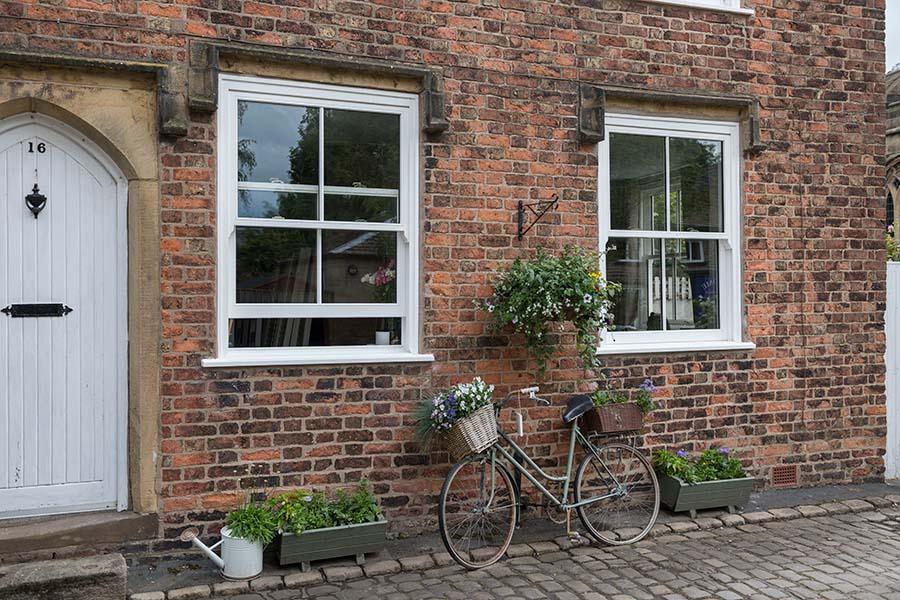
For millennia, sash windows—with their unique vertical sliding form and ageless elegance—have adorned dwellings, rising as architectural symbols connected with traditional appeal and ongoing utility. From its roots in great Georgian and Victorian homes to their present-day comeback in modern reconstructions, sash windows still enthral homeowners with their special mix of aesthetic appeal, ventilation skill, and timeless beauty.
Charting the History: Sash Windows’ Evolution
Originating in the 17th century, sash windows first became well-known as a groundbreaking design with fast appeal for its creative usefulness. Unlike its predecessors, the often-dark and draughty casement windows, early sash windows—often containing single panes of glass—sent in a new age of natural light and ventilation into dwellings.
Sash windows changed with time, including design features that confirmed their role as architectural icons and technical innovations. Double-hung sash windows—which include two sashes that move vertically past one another—improved ventilation control and simplicity of use even more.
Knowing the Anatomy: Sash Windows’ Mechanics
Sash windows’ continuing popularity comes from their clever design as much as from their appearance. These windows run on an apparently basic but extremely efficient system of weights and pulleys hidden within the window frame.
Usually built from timber but increasingly made of other materials, the sashes are loaded with weights driven over pulleys inside the window frame by cable or chain. Held firmly at different heights, this complex balancing mechanism lets the sashes glide easily up and down without the need for large hinges or supports.
Beyond Use: Sash Windows’ Aesthetic Pleasure
More than merely functional apertures, sash windows are architectural statements that improve a building’s whole look. Any facade gains grandeur and refinement from their refined proportions, slender profiles, and clear vertical lines.
Sash windows’ adaptability to fit a broad spectrum of architectural designs really shows. They are equally at home in grand period homes, which accentuates their historic appeal since they are in modern renovations where their simple lines and understated aesthetic offer a timeless counterpart to new design features.
Material Matters: Selecting the correct sash windows
Although sash windows are currently made of several materials, each with special combination of aesthetic appeal, durability, and care needs, they were originally made of timber.
Renowned for its classic elegance, insulating qualities, and natural beauty, wood is still a common option for sash windows. Further improving its longevity and resistance to moisture and decay are developments in wood treatments and finishes.
Popular substitute for timber for sash windows uPVC is affordable, low maintenance, energy efficient material. Thanks to developments in uPVC technology, profiles that resemble conventional timber windows now provide improved durability and insulation as well as attractiveness.
Prized for its modern look, thin profiles, and great durability, aluminium is a growing favourite for modern sash windows. Aluminium is perfect for exposed sites because of its natural corrosion resistance and strength, which lets window sizes be bigger.
Sash Windows: Their Continuous Benefits
Sash windows’ ongoing appeal in both historical and modern dwellings is evidence of their ongoing advantages:
Sash windows’ special vertical sliding design lets you achieve unmatched ventilation control. Changing the height of the top and bottom sashes allows homeowners to regulate airflow, therefore producing a cool and comfortable indoor atmosphere.
Sash windows quickly improve a property’s visual appeal by providing a little of timeless elegance and architectural intrigue. Their thin profiles maximise the penetration of natural light, therefore producing brilliant and welcoming rooms.
Timeless Design and Versatility: From classic to modern, sash windows effortlessly mix with a great spectrum of architectural forms. Their adaptability covers colours and finishes, therefore enabling personalisation to accentuate any design plan.
Sash windows are a wise purchase for any homeowner as, with appropriate care, they may last for generations. Frequent maintenance includes lubrication and refinishing or repainting helps to avoid problems and guarantees their seamless functioning for years to come.
With their tradition of elegance and utility, sash windows endure and provide a classic mix of architectural importance, beauty, and utility. Sash windows are always a traditional option for discriminating homeowners who respect the continuing worth of superb workmanship and enduring design, whether adorning a period property or adding a little of classic appeal to a modern house.